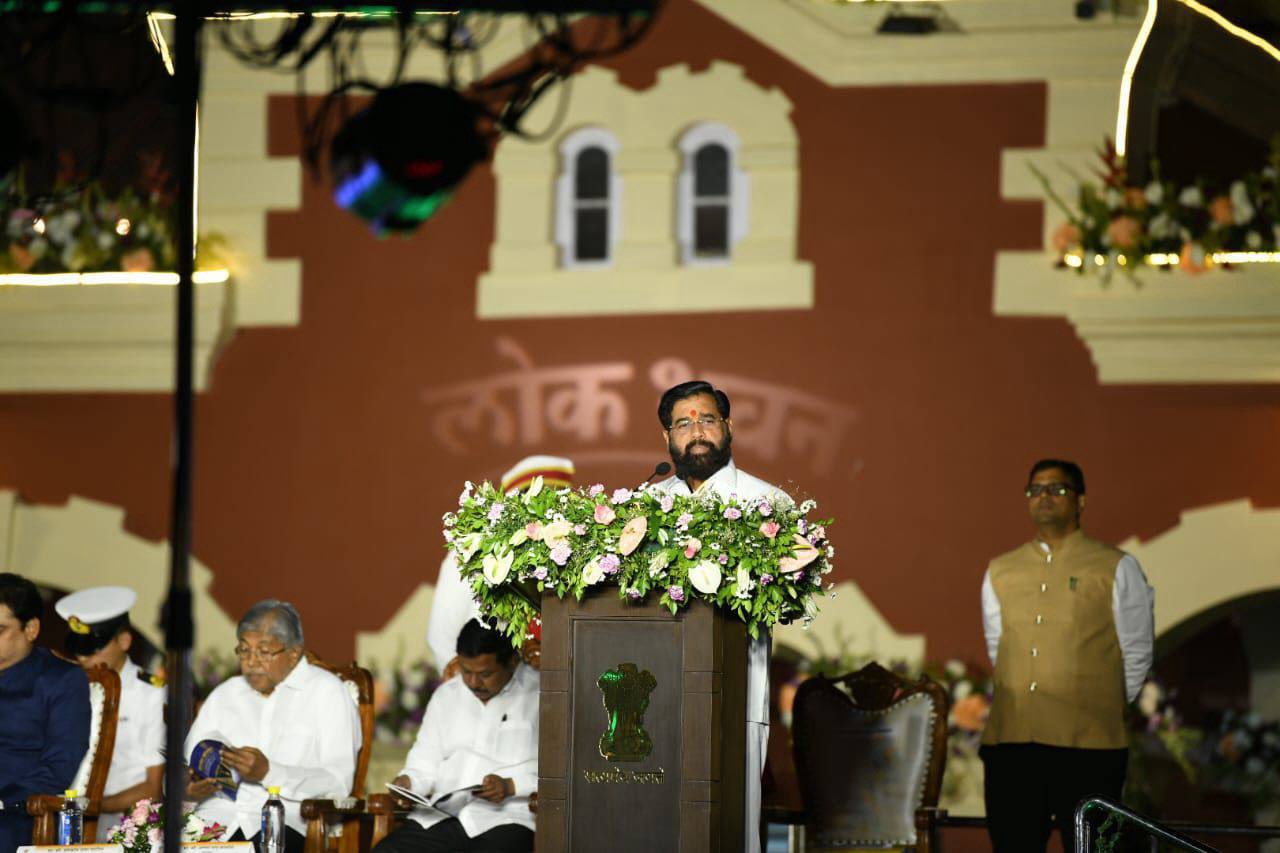
Maharashtra Deputy Chief Minister and Urban Development Minister Eknath Shinde on Wednesday informed the Assembly that the Brihan Mumbai Municipal Corporation (BMC), to meet the growing demand and ensure sufficient water supply, is focusing on completing projects such as the Gargai, Pinjal and Daman Ganga–Pinjal river-linking projects and creating additional water reserves.
This becomes essential as Mumbai currently receives 3,800 MLD (million litres per day) of water, while the required daily demand is estimated to be between 4,500 MLD and 4,800 MLD.
In a written reply to a question by Shiv Sena (UBT) member Sunil Prabhu and others, he said that large-scale residential and infrastructure development in Mumbai has increased the population, leading to greater water demand. The multi-purpose Gargai project, which involves constructing a dam to meet the water needs of the Mumbai Metropolitan Region, is in its final stages of primary engineering and preparation of tender documents.
For the Pinjal project, preliminary engineering work is underway for the proposed dam development. After receiving primary approval for the Environmental Impact Assessment (EIA), the detailed project report (DPR) is now being prepared.
Regarding the Daman Ganga–Pinjal River Linking Project — an inter-state project — procedures to obtain the required agreements and approvals from the Centre are progressing at various levels.
In addition to these dam projects, the BMC is implementing non-conventional methods to strengthen the water supply.
A desalination project with a capacity of 200 MLD (expandable to 400 MLD) is being implemented in Kulaba (Colaba) to convert seawater into potable water. Work on a ‘Tertiary Level Water Purification Project’ with a capacity of 12 MLD is also underway at the municipal level to further treat and purify available water resources.
Dy CM Shinde reiterated that in order to secure and augment water supply for Mumbai’s growing population, the BMC is actively pursuing several large-scale projects. These initiatives aim to bridge the gap between current supply and future demand, which has widened due to rapid development and population growth.
-IANS