
The year 2025 marked a defining phase for India’s Culture as India’s cultural policy moved beyond celebration to institution-building, global positioning and mass participation. Through a series of large-scale festivals, historic commemorations, heritage protection initiatives and international engagements, the Ministry reinforced culture as a living force aligned with the vision of Azadi Ka Amrit Mahotsav and Viksit Bharat 2047.
Civilisational Connect and Cultural Integration
A major highlight of the year was the Kashi Tamil Sangamam 3.0, held in Varanasi in February, which celebrated the deep civilisational and intellectual links between Tamil Nadu and Kashi. With performances by hundreds of artists and participation of nearly two lakh visitors, the event strengthened cultural unity and gave practical expression to the idea of Ek Bharat Shreshtha Bharat.
National Symbols and Mass Cultural Participation
India also began a year-long nationwide commemoration of 150 years of the National Song ‘Vande Mataram’, formally launched in November in the presence of the Prime Minister. The campaign blended tradition with technology, as over 1.6 crore citizens recorded their renditions of the song on a dedicated digital platform, reflecting unprecedented public participation in a cultural milestone that once inspired the freedom movement.
Culture on the National Stage
Culture took centre stage at the Republic Day Parade 2025, where the Ministry presented ‘Jayati Jai Mamahh Bharatam’, a grand cultural tableau featuring more than 5,000 artists performing over 50 folk and tribal dance forms. Recognised by Guinness World Records as the largest Indian folk variety dance presentation, the performance highlighted unity in diversity while echoing themes such as Virasat Bhi, Vikas Bhi and Viksit Bharat.
Pilgrimage, Heritage and Community Livelihoods
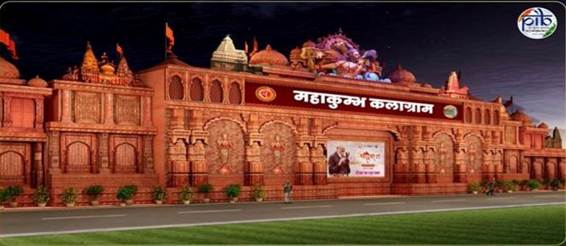
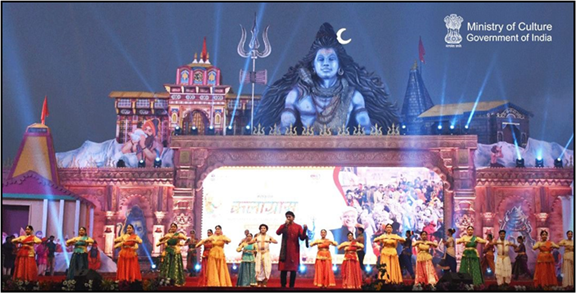
Another major initiative was the Kalagram at Mahakumbh 2025 in Prayagraj, spread across more than 10 acres. Over 45 days, the cultural village hosted around 15,000 artists and artisans, offering immersive experiences in dance, music, crafts, cuisine and digital heritage. The Kalagram became a space where pilgrimage, culture, livelihoods and community engagement converged, reinforcing India’s plural traditions on a massive scale.
Revival of Living Traditions
The Ministry also focused on reviving and institutionalising traditional practices. The Kambh Ramayana Festival, inaugurated at Srirangam in Tamil Nadu, revived an ancient Ramayana recitation tradition and is now set to become an annual cultural feature. Similarly, the Aadi Thiruvathirai Festival at Gangaikonda Cholapuram commemorated Chola emperor Rajendra Chola I and a millennium of Chola maritime expeditions, linking Tamil spiritual traditions with India’s naval history.
Commemorating National Icons and Collective Memory
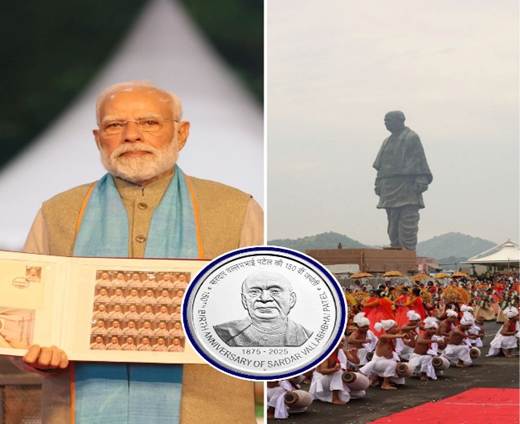
Honouring national icons remained a key theme. The Ministry commemorated the 300th birth anniversary of Lokmata Ahilyabai Holkar in Bhopal with national-level events, exhibitions and the release of a commemorative coin and stamp. It also launched the two-year commemoration of the 125th birth anniversary of Dr. Syama Prasad Mookerjee, and marked the 150th birth anniversary of Sardar Vallabhbhai Patel on Rashtriya Ekta Diwas with a grand cultural presentation involving hundreds of artists. The centenary of the Rashtriya Swayamsevak Sangh was observed with the release of a special ₹100 commemorative coin and a postal stamp.
Culture, Constitution and Democratic Values
In a significant assertion of democratic values, the Ministry observed Samvidhan Hatya Diwas on June 25 to mark 50 years of the Emergency, emphasising the importance of constitutional rights and democratic safeguards.
Global Heritage and International Recognition
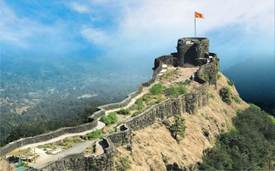
On the global heritage front, India achieved a major milestone with the inscription of ‘Maratha Military Landscapes of India’ on the UNESCO World Heritage List, becoming the country’s 44th World Heritage property. The recognition followed sustained diplomatic and institutional efforts and strengthened India’s standing in global heritage leadership.
Protecting Heritage Beyond Borders
The year also witnessed a landmark success in heritage protection with the repatriation of sacred relics of Lord Buddha after 127 years. Following legal and diplomatic intervention to stop their auction abroad, the relics were brought back to India, reaffirming the country’s role as the spiritual heartland of Buddhism.
Knowledge Systems and Intellectual Heritage
A transformative intellectual initiative of 2025 was the launch of Gyan Bharatam, a national mission to preserve, digitise and disseminate India’s manuscript heritage. The initiative included an international conference, the launch of a dedicated digital portal by the Prime Minister, the adoption of the Delhi Declaration, and the signing of MoUs with leading institutions, positioning India’s ancient knowledge systems within a modern digital framework.
Citizens at the Centre of Cultural Policy
Citizen participation remained central through initiatives such as Har Ghar Tiranga 2025, which expanded outreach while reducing costs and integrating cleanliness drives under a whole-of-government approach. Sewa Parv 2025 further linked culture with service through art workshops, youth engagement and cleanliness drives at heritage sites.
Tribal, Maritime and Ecological Heritage
The Ministry also strengthened focus on tribal, maritime and ecological heritage through the Tribal Business Conclave 2025, Project Gaja-Lok on elephant symbolism in Asia, and Project Mausam, which highlighted India’s maritime cultural networks across the Indian Ocean region.
India as a Global Cultural and Spiritual Hub
Reinforcing India’s role as the global centre of Buddhist heritage, preparations were completed for hosting the International Tipiṭaka Chanting Ceremony in Bodhgaya, alongside a commemorative walk tracing the Buddha’s footsteps. India also prepared to host the 20th session of the UNESCO Intergovernmental Committee for the Safeguarding of Intangible Cultural Heritage in New Delhi.
Taken together, the Ministry of Culture’s initiatives in 2025 reflected a clear shift from isolated cultural events to long-term vision, positioning culture as a pillar of national identity, soft power, community participation and sustainable development.