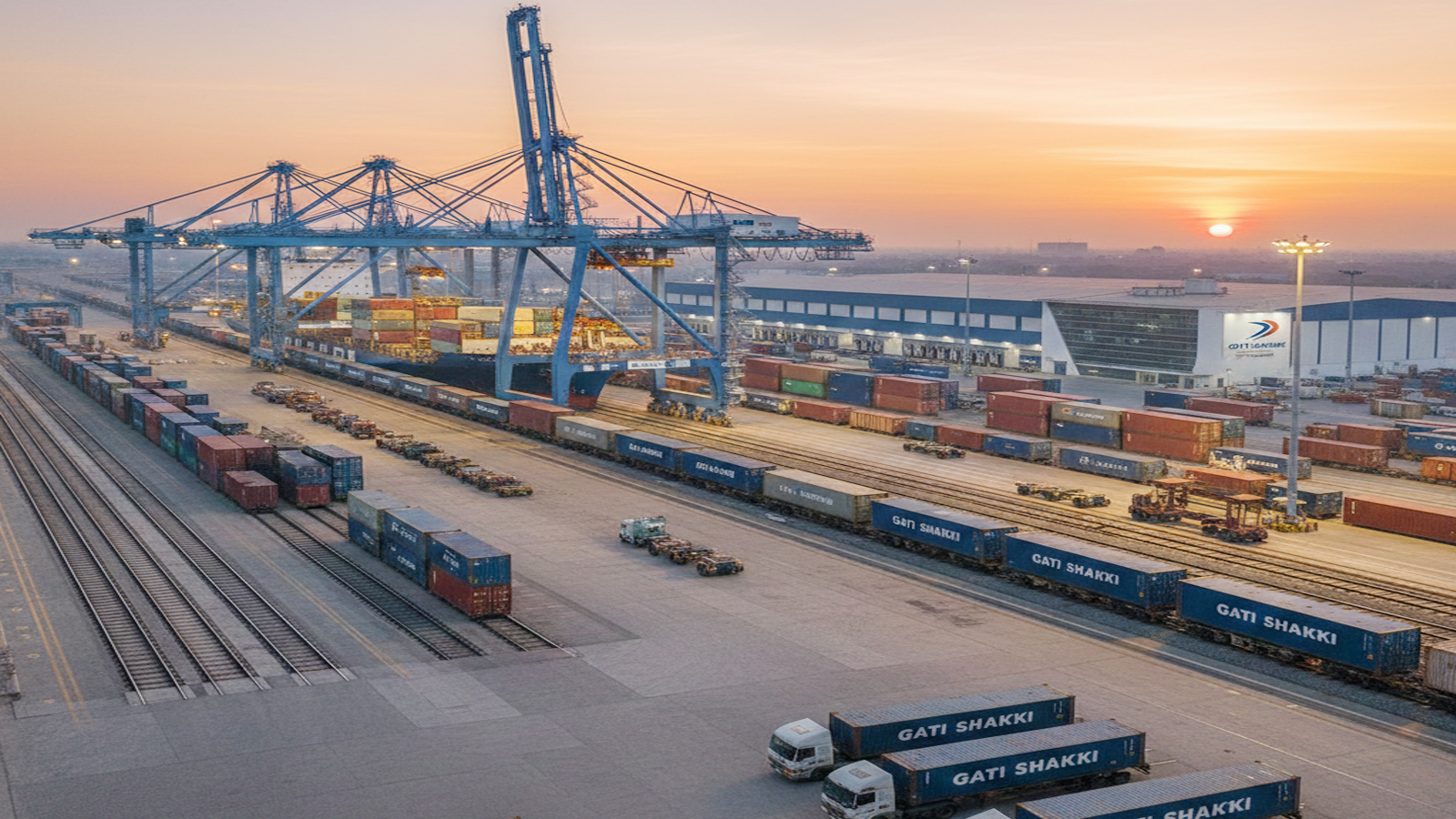
Indian Railways’ freight operations under the Gati Shakti Multi-Modal Cargo Terminal (GCT) policy have recorded a fourfold increase in revenue over the past three years, reaching ₹12,608.05 crore in 2024-25, according to information shared by Union Railway Minister Ashwini Vaishnaw in the Lok Sabha on Wednesday.
The GCT policy, introduced in 2021 to promote the development of cargo terminals on both private and railway land, has accelerated private participation and multimodal logistics infrastructure. Since its rollout, Indian Railways has approved 306 GCT proposals across the country, of which 118 terminals have already been commissioned. These terminals together offer an estimated freight handling capacity of 192 million tonnes per annum and have attracted private investment worth approximately ₹8,600 crore.
Freight revenue generated through Gati Shakti Multi-Modal Cargo Terminals has risen sharply over the past three years. According to official data, revenue increased from ₹2,901.86 crore in 2022–23 to ₹7,712.36 crore in 2023–24, and further to ₹12,608.05 crore in 2024-25, marking a more than fourfold jump since the introduction of the GCT policy.
According to the Railways Ministry, the scheme is helping shift more cargo from road to rail, reducing logistics costs and contributing to cleaner transport due to lower emissions.
Maharashtra has seen the commissioning of nine new Gati Shakti cargo terminals – including sites in the Mumbai Metropolitan Region – built with a combined investment of ₹548.69 crore. Additionally, 91 works worth ₹932.34 crore have been sanctioned in the state for the development of goods and parcel handling facilities.