Researchers at IIT Delhi on Tuesday announced the development of an ingestible device capable of sampling bacteria directly from the small intestine, opening a new window into the human gut microbiome.
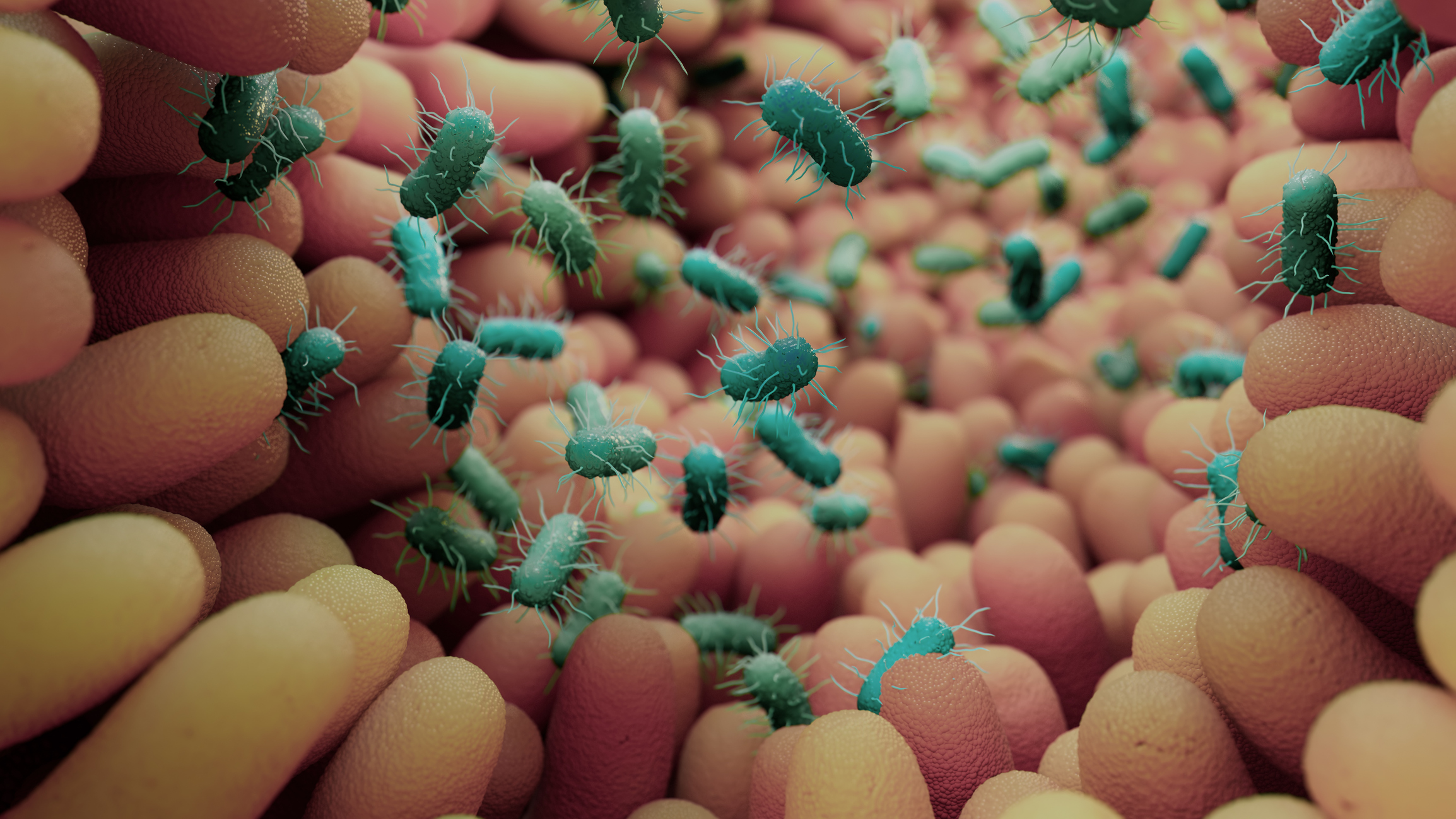
While not all bacteria are harmful, nearly half of all cells in the human body are microbial. These organisms line the gut, aiding digestion, regulating mood, and supporting immunity.
Studying them, however, has remained challenging. Existing tools are invasive, such as endoscopy or ileostomy, or indirect, relying on stool samples that do not fully reflect conditions higher in the digestive tract.
The device, a tiny pill, stays closed in the stomach when swallowed. It opens only in the intestine to collect bacteria, then seals itself again to keep the sample safe while moving through the gut. The study was conducted in collaboration with AIIMS, Delhi, and funded by the Indian Council of Medical Research (ICMR).
“To say there is a hidden universe of living microbes in our body is no exaggeration but a scientific reality — we call it the human microbiome. Just as we send rovers to explore outer space, we need miniaturised devices to explore the inner space of the human body,” explained Prof. Sarvesh Kumar Srivastava, Principal Investigator at the Medical Microdevices and Medicine Laboratory (3MLab), CBME, IIT Delhi.
“The prototype microdevice, once swallowed, can autonomously collect microbes from specific regions of the upper GI tract, allowing species-level identification of the residing microbes, among other biomarkers,” Srivastava added.
The device features an enteric-coated gelatin cap that protects it in gastric pH (1–1.5) and disintegrates at intestinal pH (3–5), allowing luminal fluid to enter via an inlet connected to activation and sampling chambers.
Published in the journal Small, the gut-sampling technology has been validated in an animal model using a microdevice no larger than a grain of rice. The results were promising, showing no tissue injury or inflammation.
“The small intestine plays a crucial role in health and disease. Understanding the microbes and chemicals released there could be key to early disease detection, monitoring chronic diseases, and developing more targeted treatments,” said co-senior author Dr. Samagra Agarwal from the Department of Gastroenterology and Human Nutrition Unit at AIIMS, New Delhi.
The researchers noted that they aim to advance this platform technology to help Indian patients in clinical settings, after obtaining the necessary approvals.
–IANS