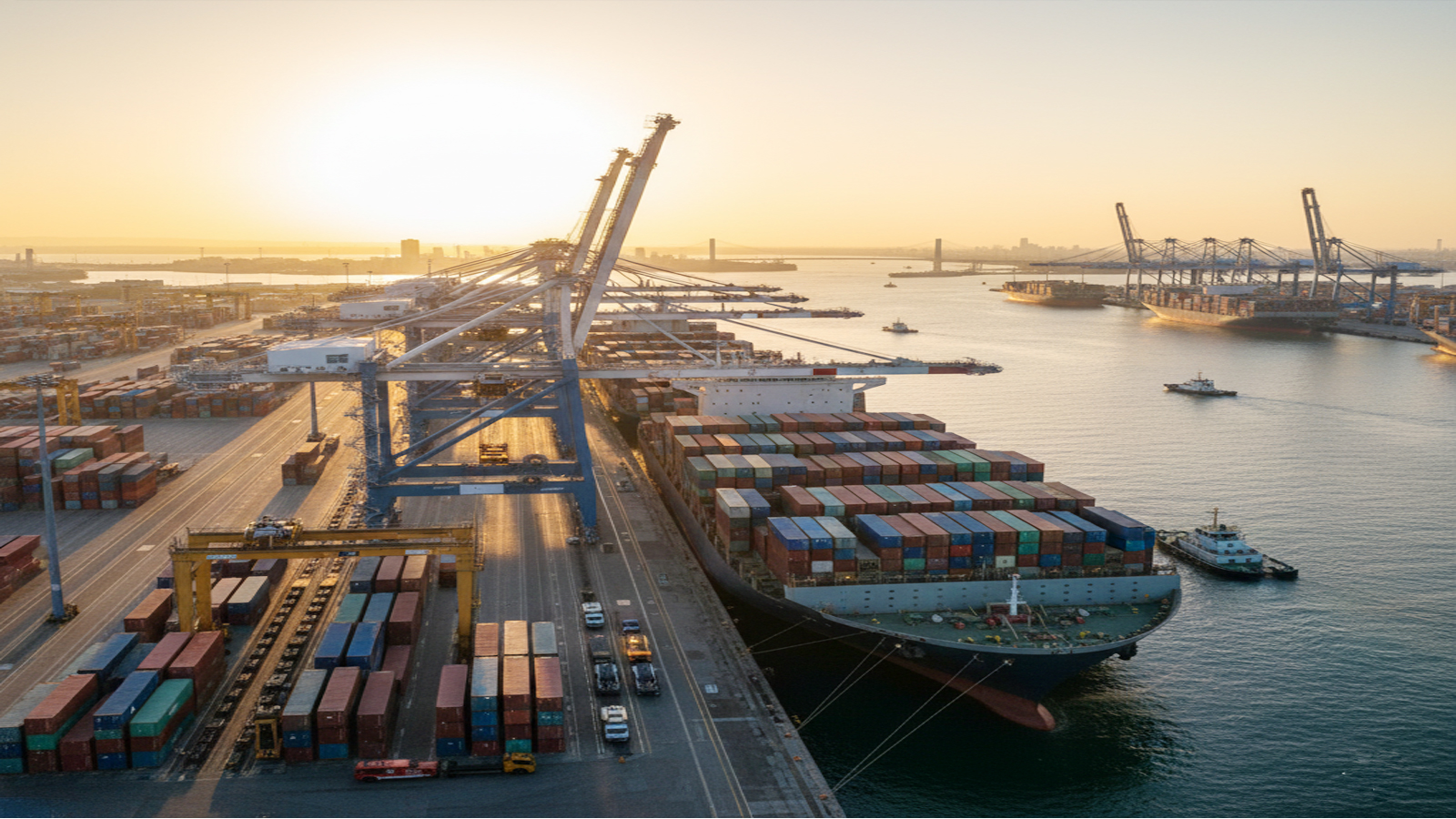
India stands at the threshold of a transformative maritime era – one that leverages its vast coastline, expanding industrial capacity and strategic location to not only strengthen trade and connectivity but also build a legacy of sustainability and resilience, an official statement said on Monday.
The Ministry of Ports, Shipping and Waterways (MoPSW) has outlined the Maritime India Vision 2030, a comprehensive blueprint aimed at empowering India’s maritime sector and steering it towards a greener, cleaner and more sustainable future.
According to the statement, the future of maritime transport lies in clean fuels such as green hydrogen, ammonia, biofuels and liquefied natural gas (LNG). In this context, India’s National Green Hydrogen Mission is playing a pivotal role in advancing zero-emission fuels, ensuring that ports not only fuel trade but also drive sustainable development.
Launched to reduce carbon emissions and position India as a global leader in green hydrogen, the National Green Hydrogen Mission targets annual production of 5 million tonnes of green hydrogen by 2030. The initiative is expected to attract investments worth Rs 8 lakh crore, create six lakh jobs and save nearly Rs 1 lakh crore in fossil fuel imports.
The mission focuses on large-scale production, pilot projects, electrolyser manufacturing, skill development, infrastructure creation and research, with plans to replace fossil fuels in sectors such as steel, transport and fertilisers. To advance this goal, the ministry has identified three major ports – Kandla, Paradip and Tuticorin – for development as green hydrogen hubs.
Through visionary programmes, legislative reforms and green shipping initiatives, India is reshaping its maritime ecosystem with cleaner ports, low-emission fleets, smart infrastructure and inclusive growth. As the country charts its course towards 2047, it aims to emerge not only as a rising maritime power but also as a responsible steward of the seas and a globally competitive, environmentally conscious economy.
Complementing this effort is the Maritime Amrit Kaal Vision 2047, a long-term roadmap for India’s maritime resurgence. The plan envisages investments of nearly Rs 80 lakh crore across ports, coastal shipping, inland waterways, shipbuilding and green shipping initiatives.
The government is promoting sustainable maritime operations by establishing green corridors, introducing green hydrogen bunkering at major ports and encouraging the deployment of methanol-fuelled vessels. With more than 300 actionable initiatives outlined, the vision projects India’s rise as one of the world’s leading maritime and shipbuilding nations by the centenary of its independence.
Key initiatives such as the Harit Sagar Green Port Guidelines, 2023, the National Green Hydrogen Mission, 2023, and the Green Tug Transition Programme, 2024 are transforming India’s ports and shipping industry into models of sustainability. In addition, the recently announced Rs 25,000 crore Maritime Development Fund is expected to catalyse investments in green infrastructure, alternative fuels and fleet modernisation, reinforcing India’s leadership in maritime decarbonisation, the statement said.
(IANS)