India and Ethiopia on Tuesday elevated their bilateral relationship to a Strategic Partnership following talks between Prime Minister Narendra Modi and Ethiopian Prime Minister Abiy Ahmed in Addis Ababa, marking a significant step in deepening cooperation between the two Global South partners.
PM Modi was accorded a ceremonial welcome at the National Palace, where the two leaders held discussions in one-on-one, restricted and delegation-level formats. The talks covered the full spectrum of bilateral ties rooted in centuries-old civilisational links and strong people-to-people connections.
As part of the visit, the two sides agreed on a wide-ranging roadmap to strengthen cooperation in trade and investment, health, digital infrastructure, education, defence, clean energy and multilateral engagement. Several key outcomes were announced, including the signing of agreements on customs cooperation, United Nations peacekeeping training, and the establishment of a data centre at Ethiopia’s Ministry of Foreign Affairs.
India also signed a MoU on debt restructuring for Ethiopia under the G20 Common Framework, reaffirming its commitment to supporting the economic stability of partner countries in Africa.
Addressing the media, PM Modi said the elevation of ties reflected the shared vision of India and Ethiopia for an inclusive global order. He recalled India’s role in facilitating the African Union’s permanent membership in the G20 during India’s presidency in 2023 and thanked Ethiopia for its solidarity following the Pahalgam terror attack, as well as its support in the global fight against terrorism.
The two leaders reviewed progress in economic cooperation, with PM Modi noting that Indian companies have invested over USD 5 billion in Ethiopia, particularly in manufacturing and pharmaceuticals, generating more than 75,000 local jobs. They also discussed collaboration in Digital Public Infrastructure (DPI), mining, critical minerals and clean energy.
In the social sector, India announced the doubling of ICCR scholarships for Ethiopian students and the introduction of specialised short-term courses in artificial intelligence under the ITEC programme. India will also assist in upgrading the Mahatma Gandhi Hospital in Addis Ababa, focusing on maternal healthcare and neonatal services.
The leaders reaffirmed their commitment to working together on global platforms such as the United Nations, and called for enhanced cooperation on climate change, renewable energy and disaster resilience. They welcomed collaboration through international initiatives including the International Solar Alliance (ISA), Coalition for Disaster Resilient Infrastructure (CDRI), Global Biofuel Alliance (GBA) and the International Big Cat Alliance (IBCA). PM Modi said India looked forward to working closely with Ethiopia under its BRICS presidency and at the proposed India-Africa Forum Summit.
Following the talks, the two Prime Ministers witnessed the exchange of three Memoranda of Understanding covering peacekeeping training, customs cooperation and data infrastructure. Prime Minister Abiy Ahmed later hosted a banquet in honour of PM Modi, who extended an invitation to his Ethiopian counterpart to visit India, which was accepted.
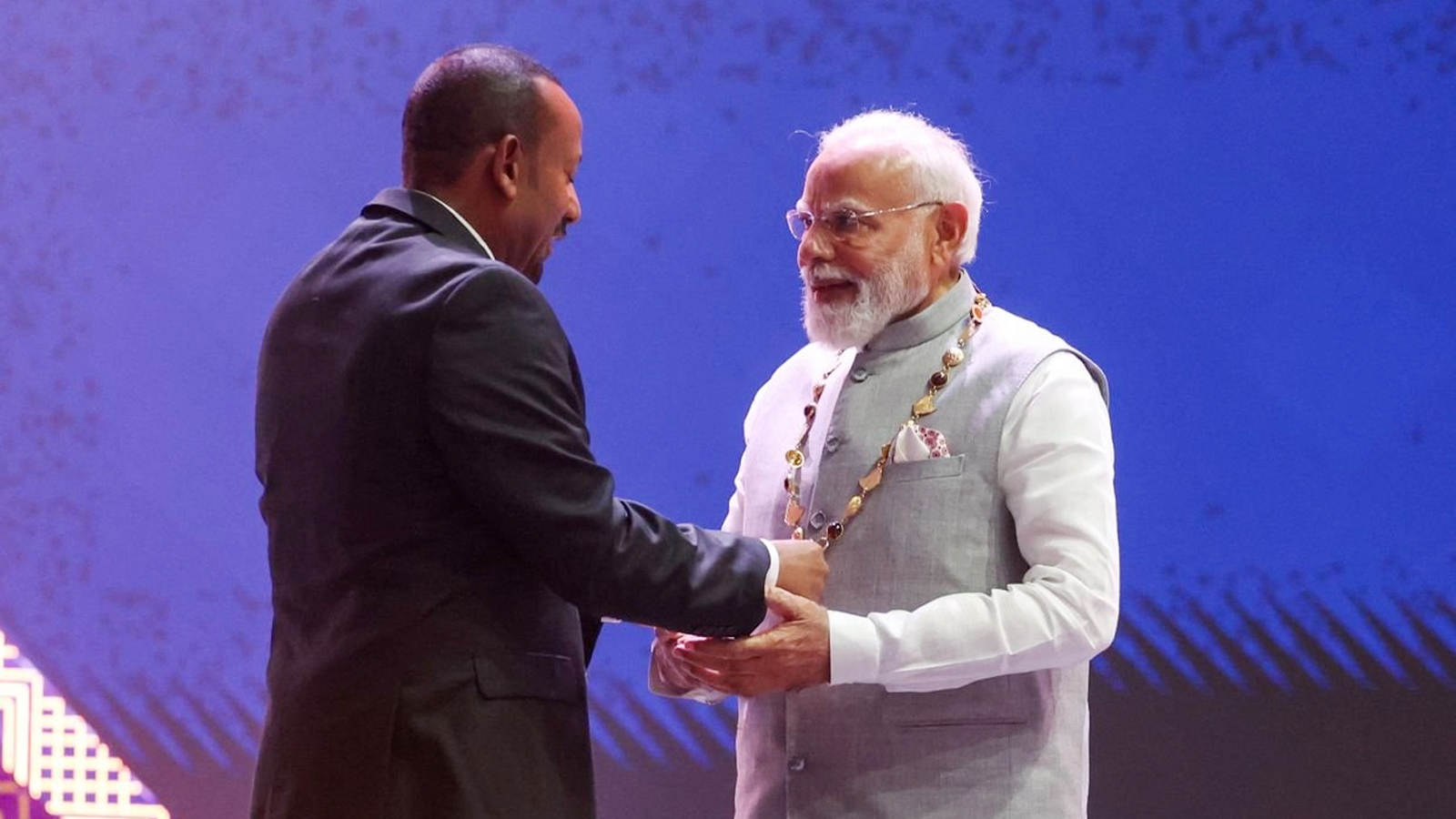
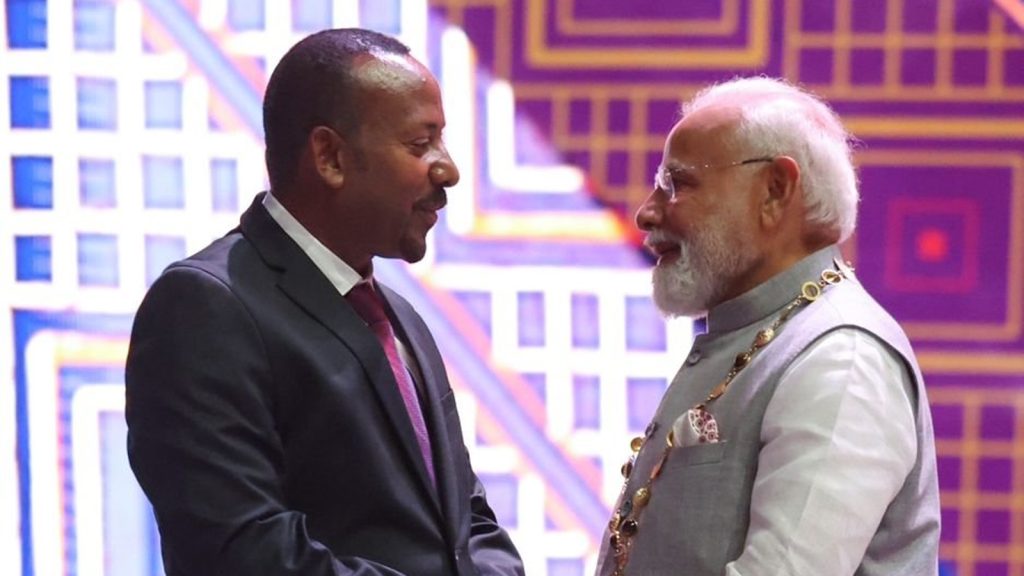
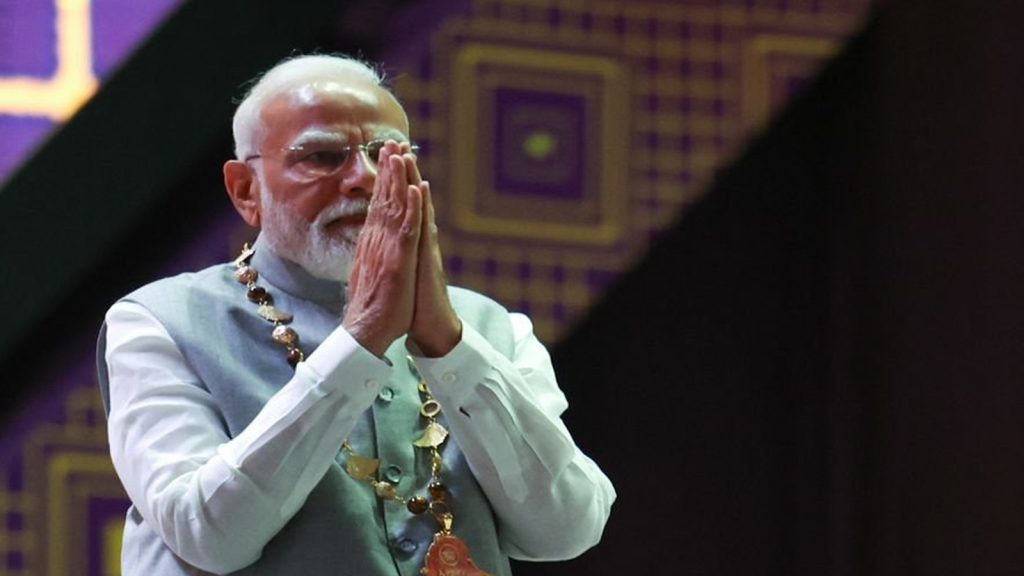
During the visit, PM Modi was conferred with the ‘Great Honour Nishan of Ethiopia’, the country’s highest civilian award. Expressing gratitude, he dedicated the honour to the people of India and the generations of Indians who have contributed to strengthening India-Ethiopia relations.
In a post on X, PM Modi described the visit as an important milestone in bilateral ties and highlighted agreements on food security, health security, capacity building and digital cooperation, stating that the India-Ethiopia partnership would become “even more robust” in the years ahead.