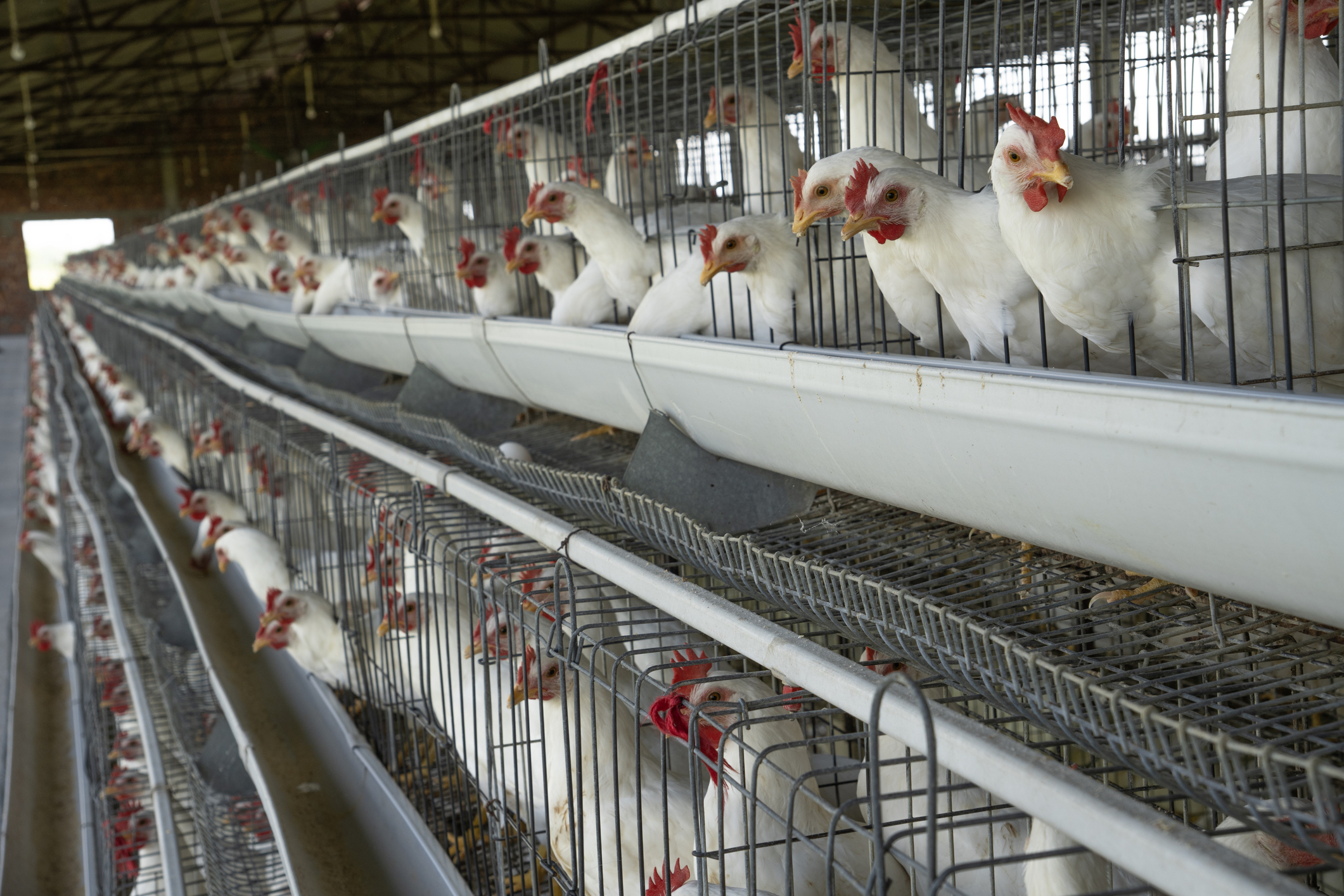
Japan’s Ministry of Agriculture, Forestry and Fisheries on Wednesday confirmed an outbreak of highly pathogenic avian influenza at a poultry farm in Kyoto Prefecture, marking the ninth bird flu case in the country this season.
According to the ministry, the outbreak was detected at a farm in Kameoka City that raises around 2.8 lakh egg-laying chickens. Local authorities received a report on Tuesday and conducted a rapid test the same day, which returned positive results. Genetic testing carried out on Wednesday confirmed the presence of the highly pathogenic avian influenza virus.
In line with government guidelines, all chickens at the affected farm will be culled, incinerated and buried. Movement of chickens and eggs has been banned within a 3-kilometre radius of the farm, while poultry products cannot be transported outside the area within a 3 to 10-kilometre radius.
Disinfection measures around the farm have been intensified to prevent further spread of the virus. An epidemiological investigation team has been deployed, and experts from the ministry will be sent if required, the statement said, according to Xinhua news agency.
Japan’s avian influenza season usually runs from autumn through the following spring. The eight previous outbreaks this season have already resulted in the culling of nearly 2.4 million chickens. The first case of the season was confirmed in Hokkaido on October 22.
Avian influenza, commonly known as bird flu, is a zoonotic disease that affects wild birds and poultry and is caused by virus subtypes such as A(H5N1) and A(H9N2). While the virus has occasionally infected humans, it does not spread easily between people, and most human cases have been linked to direct or indirect contact with infected poultry.
— IANS