The government has stepped up efforts to expand domestic chemical and pharmaceutical manufacturing through a combination of infrastructure development and Production Linked Incentive (PLI) schemes, the Ministry of Chemicals and Fertilizers said on Tuesday.
According to details shared by Minister of State Anupriya Patel in the Rajya Sabha, multiple schemes are currently under implementation to promote investment, expand production capacity, and reduce import dependency across key segments.
The Petroleum, Chemical and Petrochemical Investment Regions (PCPIRs) remain central to the effort, aimed at bringing large-scale, environmentally compliant infrastructure under a cluster-based development model. These regions provide common facilities and support services designed to attract industry and generate employment.
The Ministry is also implementing the Plastic Park Scheme to consolidate downstream plastic processing capacity by creating modern industrial parks with shared infrastructure. The Centre offers financial assistance of up to 50 per cent of project cost, capped at ₹40 crore per park. Nine parks have been approved so far at various stages of implementation.
To encourage innovation, 18 Centres of Excellence (CoEs) have been established under the petrochemicals scheme with the goal of developing new technologies, improving existing processes, and supporting research on polymers, plastics and chemicals. The government provides up to 50 per cent of project cost, subject to a ceiling of ₹5 crore.
In the pharmaceuticals sector, three Bulk Drug Parks have been approved in Andhra Pradesh, Gujarat and Himachal Pradesh, backed by a total outlay of ₹3,000 crore. Each park will receive up to ₹1,000 crore in central assistance for common infrastructure such as effluent treatment, utilities, warehouses and waste management. States are also offering additional incentives, including capital subsidies and GST reimbursement.
Similarly, three Medical Devices Parks—located in Greater Noida, Ujjain and Kanchipuram—are being developed with a budget of ₹300 crore. Common infrastructure in all three parks is nearing completion. As of September 2025, 194 medical device manufacturers have been allotted land, and construction has begun for 34 units.
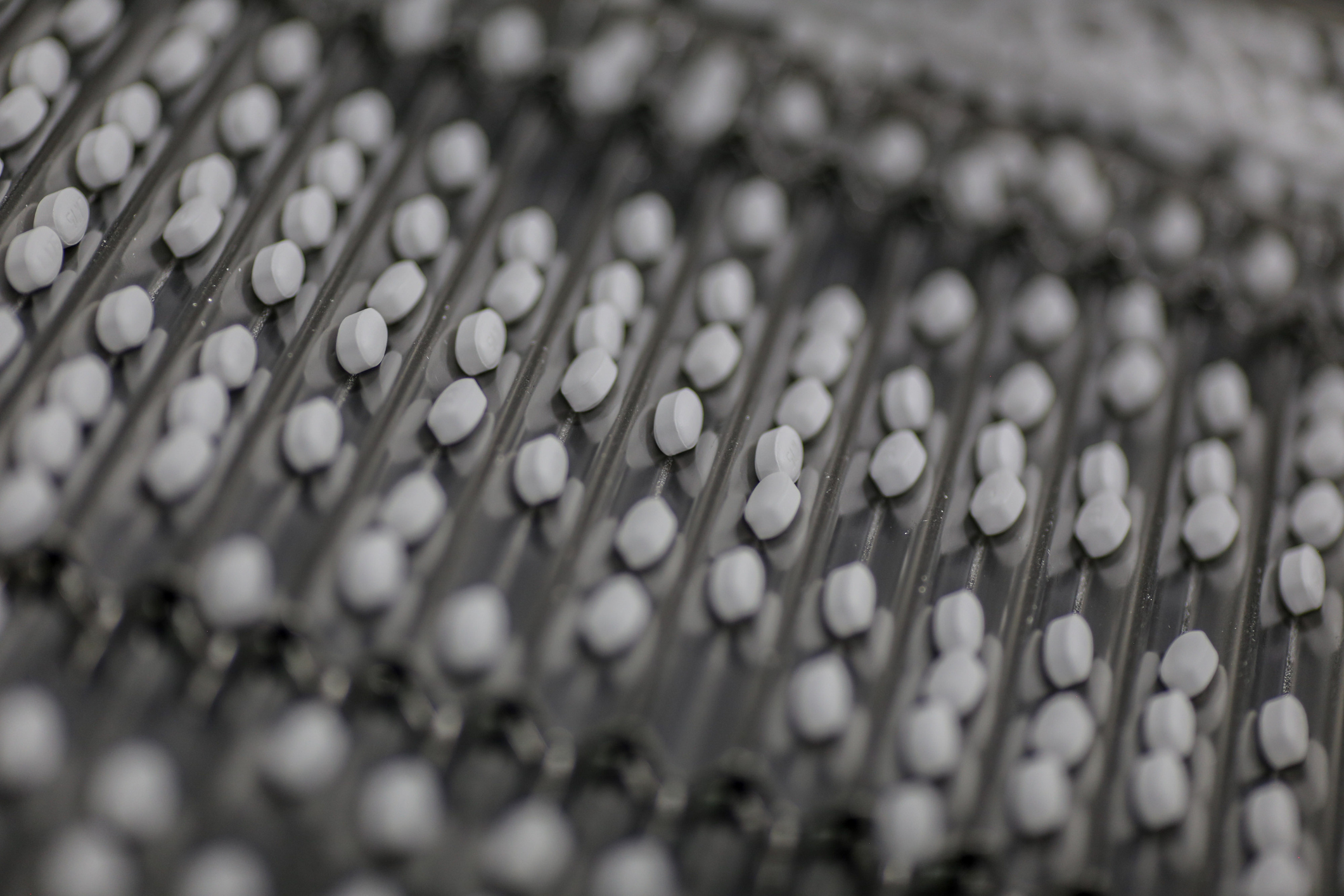
The Ministry reported significant progress under the Production Linked Incentive (PLI) schemes aimed at reducing India’s reliance on imported APIs, KSMs and drug intermediates. Under the PLI scheme for bulk drugs, with a budget of ₹6,940 crore, production capacities have been created for 26 key materials previously dependent on imports. Investments of ₹4,763 crore have been made so far, generating cumulative sales of ₹2,315 crore and avoiding imports valued at ₹1,807 crore.
The PLI scheme for pharmaceuticals, with a ₹15,000 crore outlay, has led to the domestic production of 191 new APIs and intermediates for the first time. The sector has reported cumulative sales of ₹26,123 crore in the first three-and-a-half years of the scheme.
Patel said these initiatives are collectively aimed at expanding India’s manufacturing base, boosting exports, strengthening supply-chain resilience, and positioning the country as a competitive player in global chemical and pharmaceutical markets.