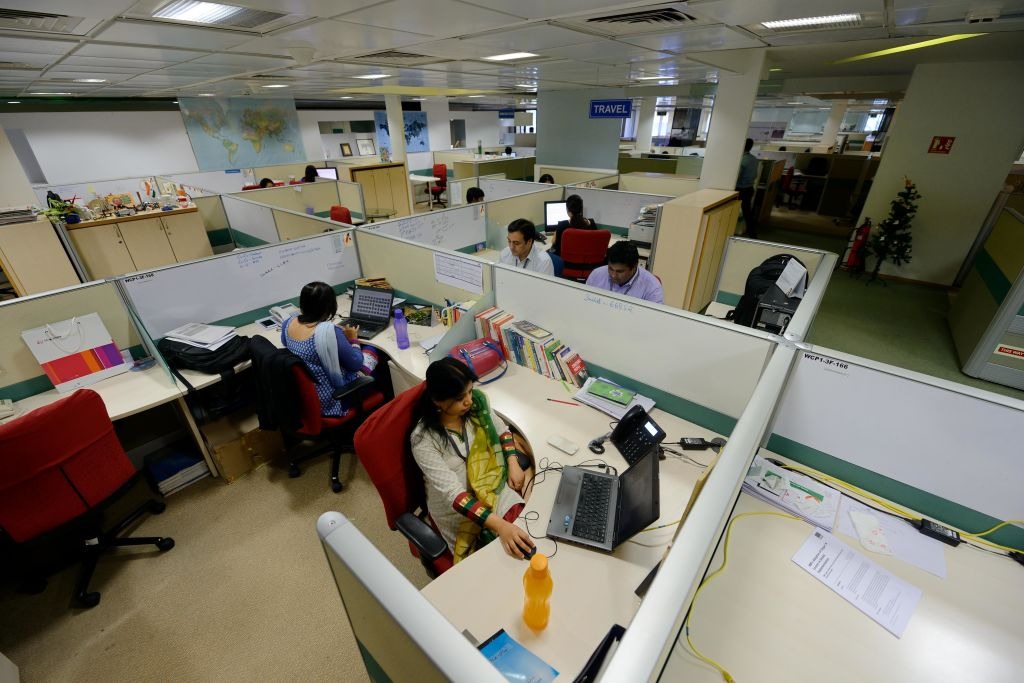
India’s Information Technology (IT) sector has emerged as a cornerstone of the country’s economic growth and global competitiveness.
To build a future-ready workforce, the New Labour Codes — the Code on Wages, 2019; Industrial Relations Code, 2020; Code on Social Security, 2020; and Occupational Safety, Health and Working Conditions Code, 2020 — aim to simplify compliance, enhance flexibility, and extend social security to all categories of workers.
What are the new labour codes, and how they benefits India’s IT sector?
The new labour codes covering wages, industrial relations, social security, and occupational safety aim to modernize India’s labour framework by simplifying compliance, enhancing flexibility, and providing social security for all types of workers, including contract and gig employees. For the IT sector, these reforms offer clarity on wages, fixed-term employment, flexible work arrangements, and workplace safety standards, enabling companies to manage their workforce efficiently while ensuring employee welfare and promoting sustainable growth.
How do the reforms enhance workforce flexibility in IT companies?
The codes introduce provisions for fixed-term employment, flexible working hours, and work-from-home arrangements. These measures allow IT firms to hire professionals for specific projects, seasonal assignments, or global tasks without long-term commitments while ensuring employees enjoy equal pay and benefits. They also legitimize night shifts for women under safe conditions and provide a legal framework for hybrid and remote work models, aligning workforce practices with the global demands of the IT industry.
In what ways do the labour reforms simplify compliance and improve ease of doing business?
By introducing single licensing, unified registrations, and digital record-keeping, the codes reduce duplication and administrative burdens for companies operating across multiple states. Self-certification and digitized filings minimize inspections and paperwork, while decriminalization of minor procedural violations encourages a cooperative compliance culture. These reforms help IT companies focus on innovation and business growth rather than navigating complex regulatory hurdles.
How do the codes strengthen employee protection and welfare?
The codes ensure timely payment of wages, equal remuneration, and non-discrimination, while providing social security coverage for full-time, contract, and gig workers. They also mandate workplace safety standards, annual health check-ups, grievance redressal mechanisms, and reskilling funds for retrenched employees. Provisions for shared welfare facilities, childcare, and safe night shifts create a supportive environment that promotes well-being, inclusion, and gender diversity in the workplace.
How do these reforms support career development and long-term growth for IT professionals?
By recognizing skills through the National Skill Qualification Framework, ensuring portability of benefits like PF and ESIC across employers and states, and providing formal contracts with clear employment terms, the codes empower employees to advance their careers while retaining security and continuity. Structured grievance redressal and dispute resolution mechanisms further safeguard workers, creating a balanced ecosystem where both companies and professionals can innovate, grow, and compete globally.
How do the new labour reforms promote women’s safety, inclusion, and career growth in the IT sector?
The labour codes empower women to work in all establishments, including night shifts, with mandatory safety, transport, and rest facilities. They formalize flexible and remote work arrangements, ensuring work-life balance and continuity of employment. Provisions for childcare, rest areas, and canteens, along with strict non-discrimination and equal pay norms, create an inclusive, supportive environment that encourages women’s participation, retention, and professional growth in India’s IT sector.