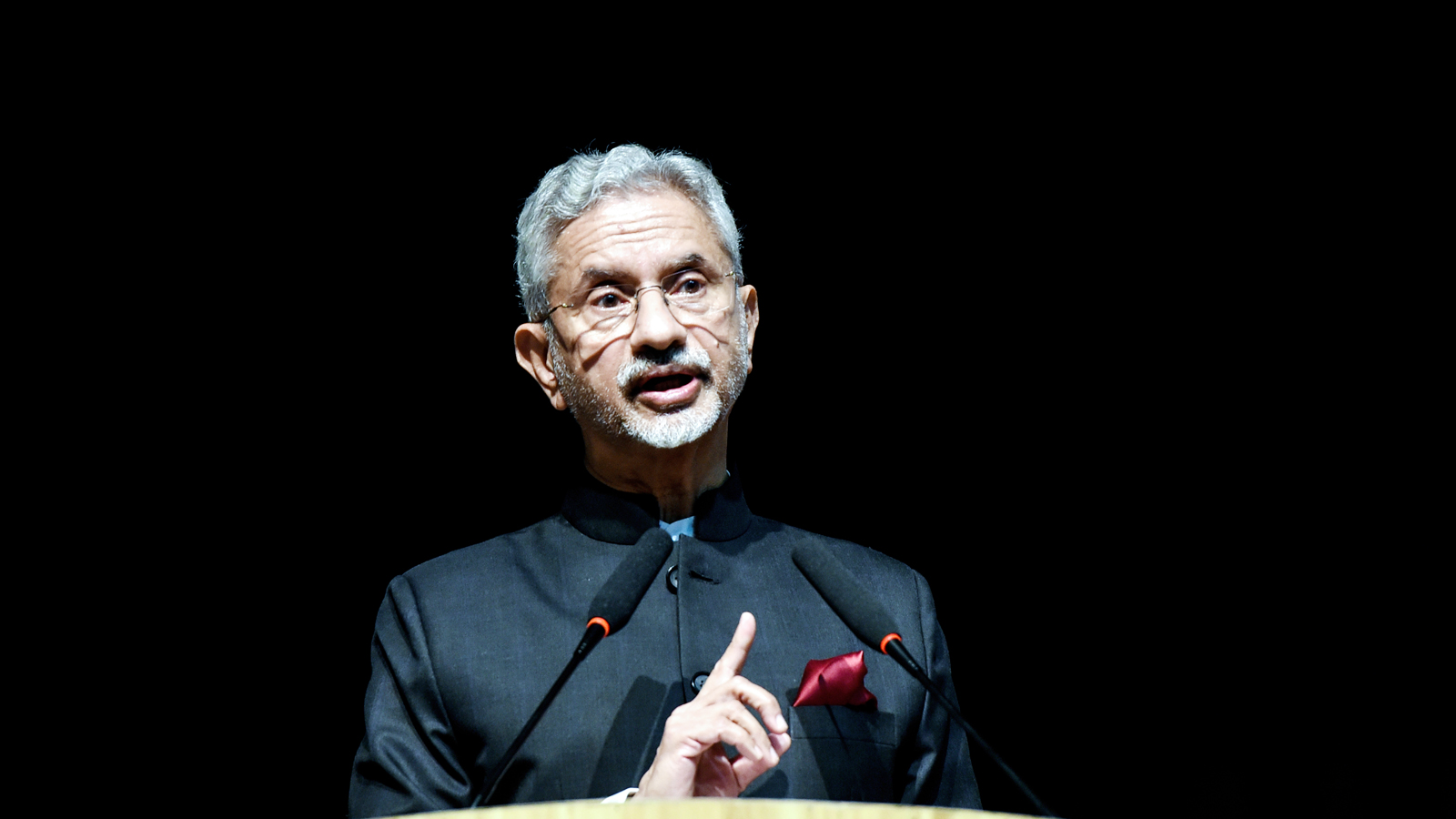
External Affairs Minister S. Jaishankar on Wednesday highlighted the significant progress made over the past decade in enhancing the mobility of Indian talent – from expanding passport services to strengthening welfare mechanisms for Indians abroad – and how India’s demographic strength is increasingly meeting global workforce demands.
Speaking at the India’s World Annual Conclave 2025, Jaishankar said, “We are one-sixth of the world’s population, and when you look at the younger working-age population, we constitute nearly one-fourth of the global workforce of a certain demographic. So, our relevance to the global talent skill market is only going to grow.”
He noted that while global discussions often focus on trade, the equally important topic of work and mobility tends to be overlooked.
Jaishankar underscored three key aspects of mobility: demography, competitiveness, and societal attitudes toward work.
Highlighting India’s economic contribution through overseas workers, he pointed out, “Last year, remittances to India were USD 135 billion – that is twice our exports to the United States.” He urged people to recognise the scale of assets created abroad and the size of this economic segment.
He also addressed the diplomatic and political challenges linked to mobility in destination countries, particularly when it occurs illegally.
“When mobility is legal and formal, it brings enormous benefits. But when it is not, it becomes a magnet for all kinds of criminal activities. If you look at trafficking and associated crimes, they often attract individuals with political or separatist agendas who operate around illegal mobility,” he said.
Jaishankar noted that as global demand for talent grows, three key consequences emerge: the need to enhance the skills of mobile workers, establish formal mobility arrangements, and ensure that Indians going abroad are equipped with confidence and support to operate in international workplaces.
Highlighting achievements of the past decade, he said the government has brought “very deep changes” that have had a major impact on mobility.
“Ten years ago, there were only around 77 locations in India where you could apply for a passport. In the last decade, we have added 468 more. This expansion is crucial because a passport is where international mobility begins,” he said.
He further noted that intergovernmental mobility agreements have become a vital pillar of India’s diplomacy.
“We have 21 such agreements, and we also have mobility provisions incorporated into some of our pre-trade agreements. In many relationships, these arrangements add a new dimension altogether,” he added.
The Mobility Imperative Conference aims to foster dialogue on global mobility trends and developments shaping workforce movement around the world.
(ANI)