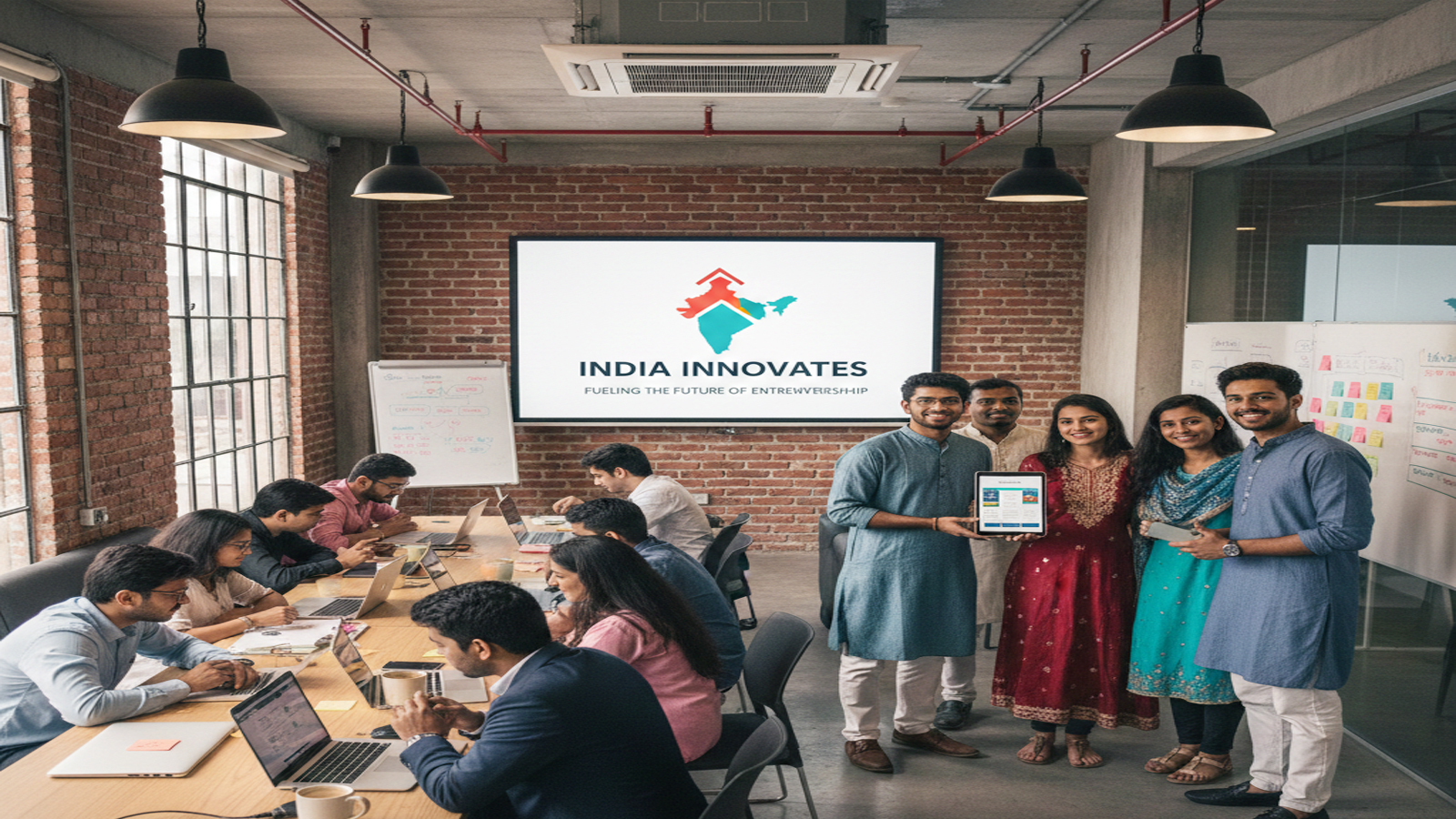
India’s startup ecosystem continues to accelerate in 2025, crossing key milestones in terms of numbers, jobs, and innovation. According to the commerce and industry ministry, the country now has over 2,01,000 registered startups under the Startup India initiative, and these ventures have generated more than 21 lakh jobs nationwide, making startups a major engine of employment and economic dynamism.
The growth in 2025 builds on nearly a decade of policy support. When Startup India was launched, there were only a few hundred recognised ventures; over the years, that figure has steadily climbed as reforms eased compliance, encouraged investment and seeded entrepreneurship widely across the country.
How Startup Numbers Are Growing
This year alone, tens of thousands of new companies have been recognised as DPIIT-registered startups. Ministry mentioned that over 44,000 startups were added in 2025, the highest single-year increase since the programme began, a sign of the deepening roots of innovation in the economy.
Startups are now spread across regions large and small. While traditional hubs such as Maharashtra, Karnataka, Delhi and Gujarat continue to lead in numbers, government data also shows rising activity outside major cities, with districts across India hosting recognised ventures.
Government Support: Schemes, Funding and Infrastructure
The government has played a central role in nurturing the startup ecosystem through targeted schemes and reforms. One foundational programme is the Startup India Seed Fund Scheme (SISFS), designed to help early-stage startups develop prototypes and products. Alongside this, the Fund of Funds for Startups (FFS) provides capital support through Venture Capital funds to scale high-potential ventures.
Another key initiative is the Credit Guarantee Scheme for Startups (CGSS), which helps emerging companies access loans backed by government guarantees, easing funding barriers that often hold young firms back.
Institutions such as Atal Innovation Mission (AIM) have supported incubation, mentoring and innovation culture across sectors, connecting students, researchers and founders with practical resources.
In specific sectors, the government has announced focused support as well. For example, a government-backed investment of ₹211 crore was committed in 2025 to space-tech startups through the FFS scheme, helping position Indian innovators in new technology frontiers.
Employment Generation and Youth Entrepreneurship
Startups have become an important source of jobs, especially for young people seeking alternatives to traditional employment. The more than 21 lakh jobs created by startups reflect opportunities not only in technology and services but also in new sectors such as space tech, deep tech and digital platforms.
This growth has also changed how Indian youth view entrepreneurship. With greater access to capital, mentoring and government backing, building a startup is increasingly seen as an attractive career path. Government recognitions and flagship tech events, including awards and high-visibility platforms, have helped spotlight success stories and inspire a larger generation of innovators.
Regional Development and Inclusion
Startup activity in 2025 is not confined to big cities. While states such as Maharashtra and Karnataka remain strong hubs, efforts to expand the ecosystem have brought growth to smaller towns and emerging regions as well. Policies such as the Bharat Startup Knowledge Access Registry (BHASKAR) aim to unify ecosystem data and support, making it easier for founders outside metro areas to gain visibility and access resources.
Several states have also formulated or updated their own startup policies to spur local entrepreneurship and build regional competitive advantages. These sub-national strategies complement national schemes and create more inclusive innovation landscapes.
Mindset Shift Among Youth
The mindset among young Indians is shifting towards entrepreneurship, not just as a fallback option but as a first choice. Startups now attract talent that might have preferred jobs in established corporations or the public sector. This shift is evident in the rising number of first-time entrepreneurs, women founders, and young tech innovators whose ventures are being recognised and funded.
What’s Next for Startups in India?
Looking ahead, the government plans to continue strengthening the ecosystem with initiatives that make it easier to start, grow and scale ventures. Continued emphasis on digital infrastructure, innovation financing, incubation networks, and regulatory simplification is expected to sustain momentum. Integration of startups into global value chains and partnerships will also be a priority.
Schemes focused on emerging domains such as artificial intelligence, space technology and deep tech are expected to broaden the opportunity base for Indian startups in the coming years, boosting India’s competitiveness on the global stage.
Why This Matters for India’s Future
The startup ecosystem has become a vital part of India’s long-term growth strategy. By generating jobs, fostering innovation, and attracting investment, startups contribute to economic resilience and technological leadership. With continued policy support and a growing culture of enterprise, India’s startup revolution is positioned to play a key role in shaping the country’s development in the decades ahead.