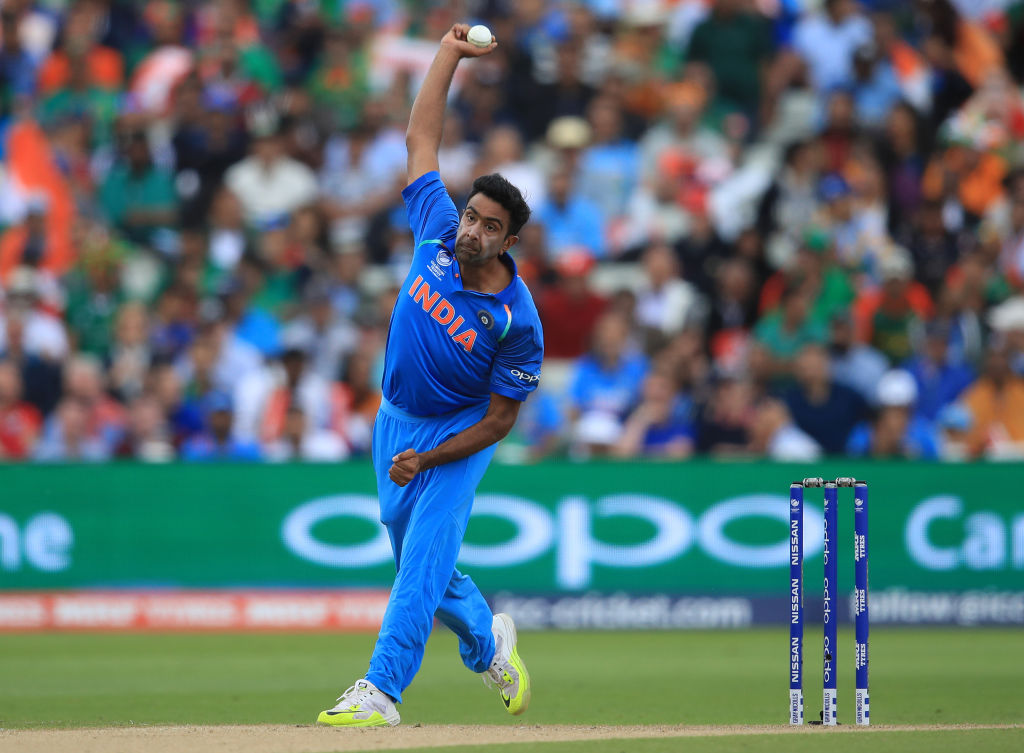
Indian spin legend Ravichandran Ashwin has sounded a warning over the future of ODI cricket, expressing concern that the 50-over format could face a slow decline after the 2027 World Cup, which will be jointly hosted by South Africa, Namibia and Zimbabwe. With the growing dominance of T20 leagues worldwide and the enduring appeal of Test cricket, Ashwin believes the relevance of ODIs is steadily diminishing and that the format’s long-term survival is under threat.
India’s second-highest wicket-taker across formats with 765 scalps, Ashwin said that once modern icons like Rohit Sharma and Virat Kohli retire, the once-loved format will face an existential crisis.
“I am not sure about the future of ODIs after the 2027 World Cup. I am a little worried about it. Of course, I am following the Vijay Hazare Trophy, but the manner in which I followed the SMAT, I am finding it slightly difficult to follow,” Ashwin said on his Hindi YouTube channel, ‘Ash Ki Baat’.
“Look, Rohit and Virat came back to the Vijay Hazare Trophy and people started watching it. We have known that sport is always bigger than individuals, but at times these players need to come back to make the game relevant. The Vijay Hazare Trophy, of course, is a domestic competition that not a lot of people follow, but they did because Kohli and Rohit were playing. Even then, what happens when they stop playing ODIs?” he added.
Commenting on the ICC event calendar, Ashwin said that holding World Cups too frequently for revenue generation is hurting the value and excitement of the tournament, and added that the cricket body should take lessons from FIFA.
Looking ahead, the off-spinner also offered solutions to the decline of ODI cricket. Ashwin suggested that the ICC could explore having just one 50-over event — the World Cup — every four years.
“If you really want to make ODI cricket relevant, then just play these T20 leagues and play the ODI World Cup once in four years. That way, when people turn up for events, there will be a sense of expectation. I feel it is going towards a slow death,” he said.
(IANS)