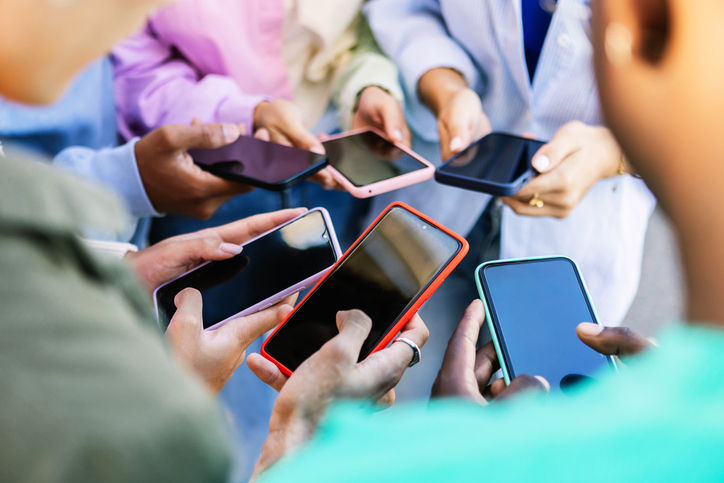
Social media companies have collectively deactivated nearly five million accounts belonging to Australian teenagers just a month after a world-first ban on under‑16s took effect, the country’s internet regulator said, a sign the measure has had a swift and sweeping impact.
The eSafety Commissioner said platforms had so far removed about 4.7 million accounts held by under-16s to comply with a law that went live on December 10. Some platforms had said they would start closing affected accounts in the weeks before the deadline.
The figures represent the first government data on compliance and suggest platforms are taking significant steps to adhere to a law that could see them fined up to A$49.5 million ($33 million) for non-compliance, but does not hold children or their parents liable.
The tally is far higher than estimates circulated before the law and equates to more than two accounts for every Australian aged 10 to 16, based on population data. Meta previously said it took down some 550,000 underage accounts from its Instagram, Facebook and Threads.
The minimum age rule also applies to Google’s YouTube, TikTok, Snapchat, and Elon Musk’s X, formerly Twitter. Reddit has said it is complying but is suing the government seeking to overturn the ban. The government says it will defend itself.
“It is clear that eSafety’s regulatory guidance and engagement with platforms is already delivering significant outcomes,” Commissioner Julie Inman Grant said in a statement.
Some underage accounts remain active and it was too early to declare full compliance, she added. All companies that were initially covered by the ban said they would comply.
Inman Grant said effective age checks would take time to bed down but feedback from age-assurance providers – typically third-party software vendors hired by the platforms – indicated Australia’s rollout had been smooth, aided by public education ahead of the ban.
Some smaller social media applications reported a surge of downloads in Australia in the run-up to the December rollout, and eSafety said it would monitor what it called migration trends. But it said the initial download spikes had not translated into sustained usage.
A study with mental health experts will track the ban’s long-term impact for several years.
(Reuters)