Prime Minister Narendra Modi on Thursday extended greetings to the nation on the commencement of Somnath Swabhiman Parv, recalling the enduring civilisational spirit that has kept the Somnath Temple alive in the collective consciousness of India for over a thousand years. He said that despite repeated historical assaults, the shrine emerged stronger, reinforcing the sentiment of India’s cultural unity and unbroken faith.
In a series of posts on X, PM Modi said, “Jai Somnath! Somnath Swabhiman Parv begins today. A thousand years ago, in January 1026, Somnath faced its first ever attack. The attack of 1026 and the subsequent attacks couldn’t diminish the eternal faith of millions, nor break the civilisational spirit that rebuilt Somnath time and again.”
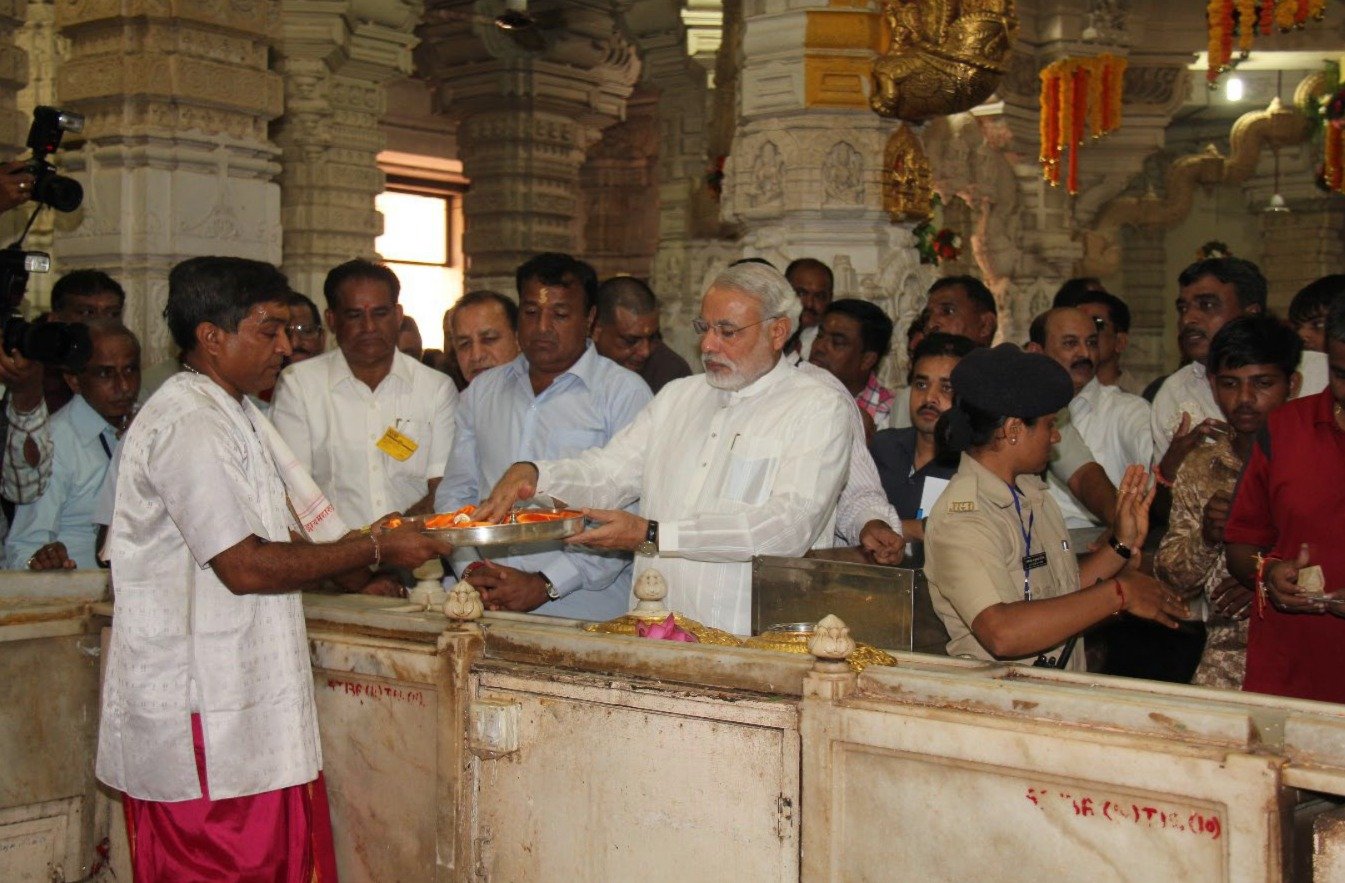
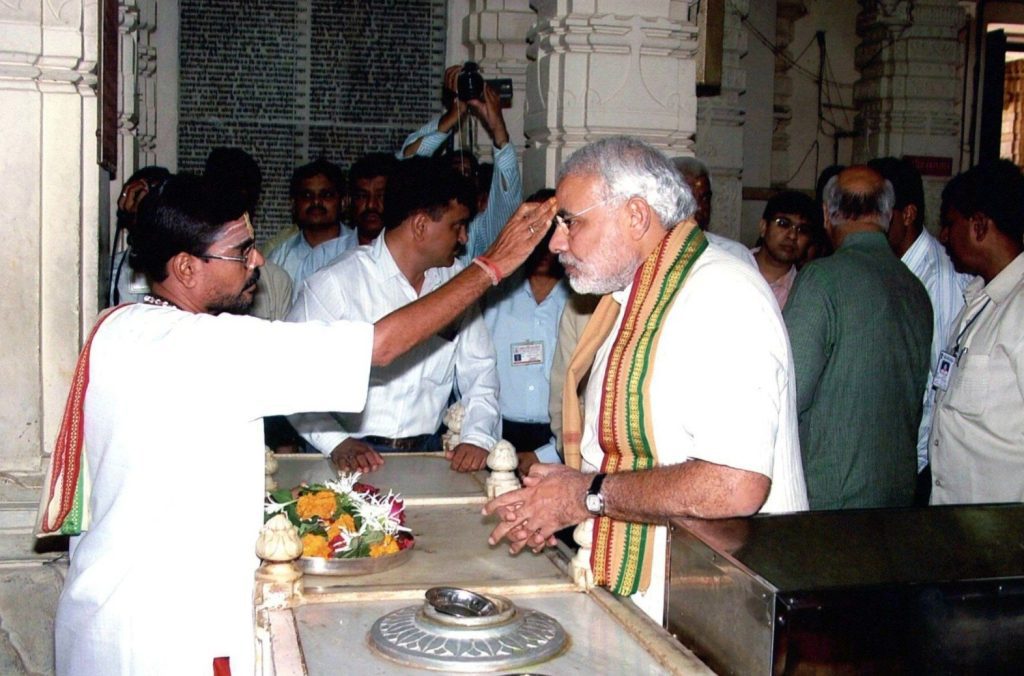
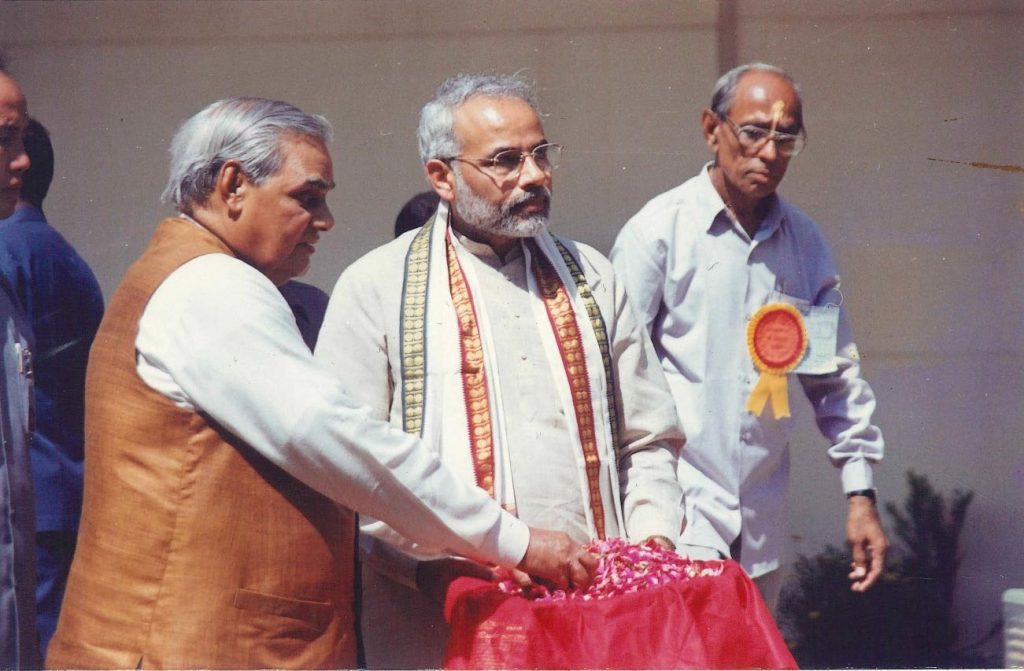
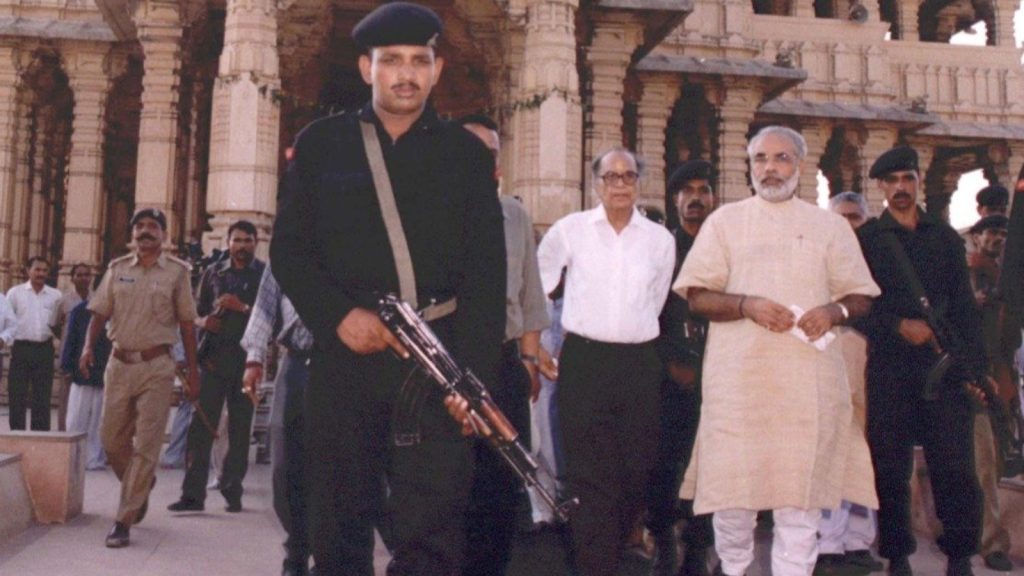
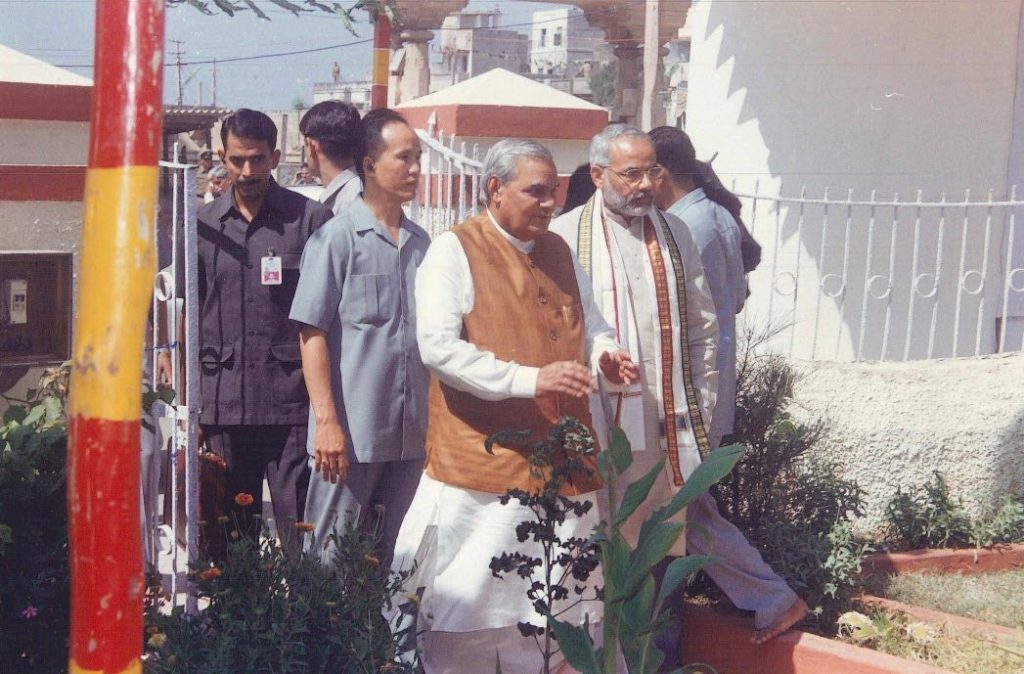
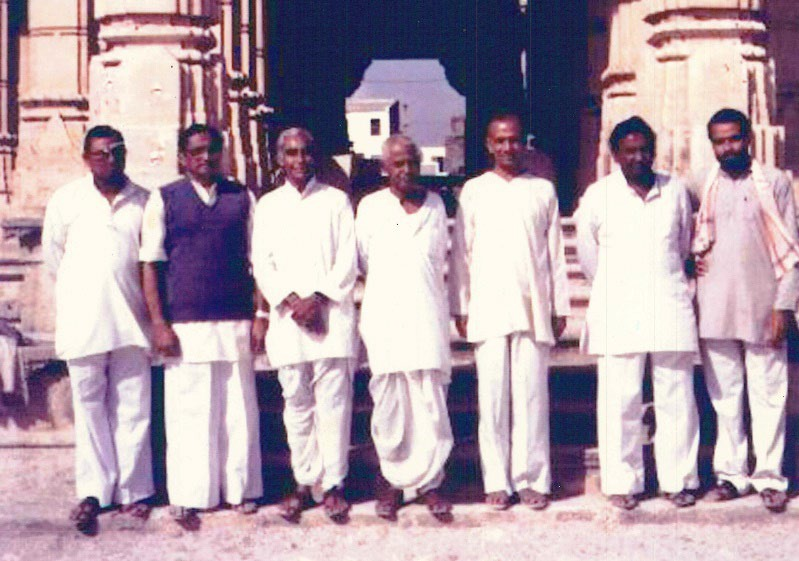
PM Modi also shared some pictures from his previous visits to Somnath and invited citizens to participate in the celebrations by sharing their own memories using the hashtag #SomnathSwabhimanParv.
“Somnath Swabhiman Parv is about remembering the countless children of Bharat Mata, who never compromised with their principles and ethos. However daunting the times were, their resolve remained unshaken and their commitment to our ethos unwavering,” added PM Modi.
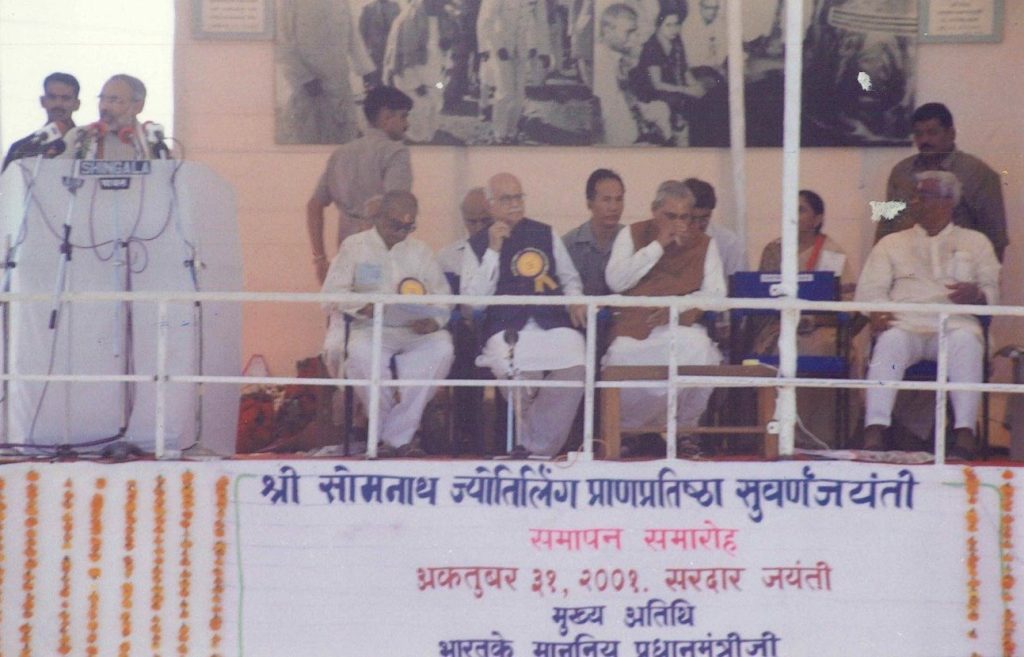
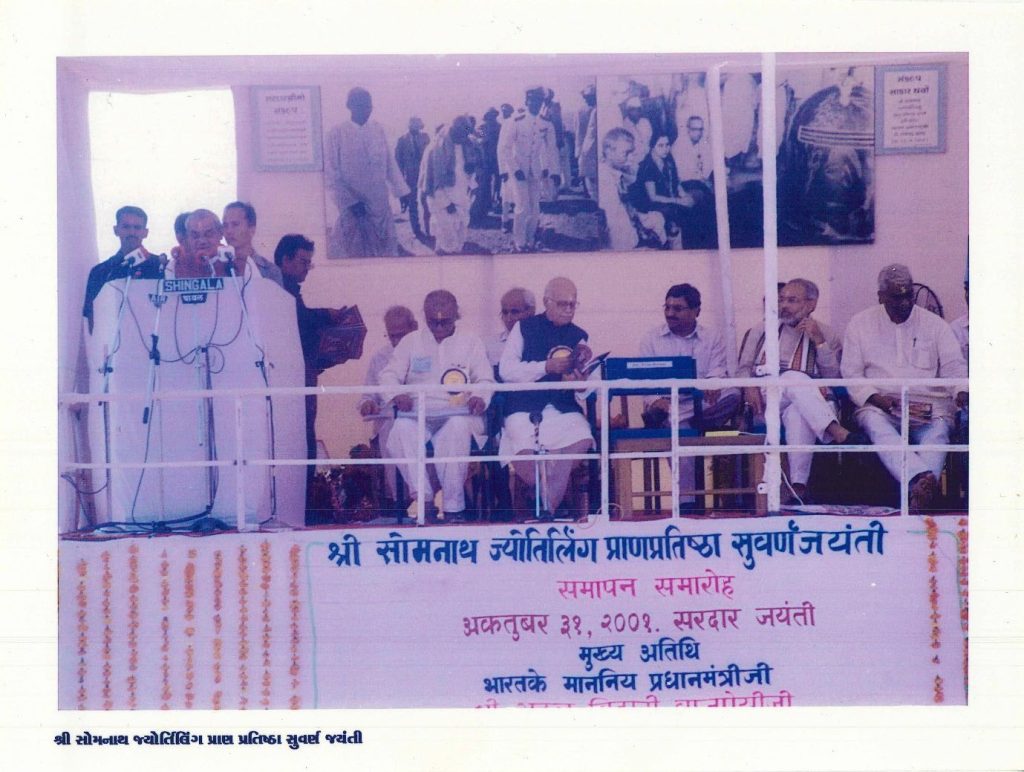
Sharing glimpses of a programme held in Somnath on October 31, 2001, PM Modi said, “This was the year when we marked 50 years since the rebuilt Somnath Temple opened its doors in 1951 in the presence of the then President Dr. Rajendra Prasad. The efforts of Sardar Patel, KM Munshi and several others were noteworthy. It was also when the 125th Jayanti of Sardar Patel was being marked. The programme of 2001 was attended by then Prime Minister Atal Ji, Home Minister Advani Ji and several other dignitaries. In 2026, we mark 75 years since the grand ceremony of 1951!”
As part of the observance, year-long activities and a series of spiritual and social programmes are being organised at the Somnath Temple in Gujarat, with events scheduled from January 8 to January 11. The central theme of the Parv is “Unbroken Faith”, underscoring the temple’s significance as a symbol of resilience, cultural continuity and national unity.