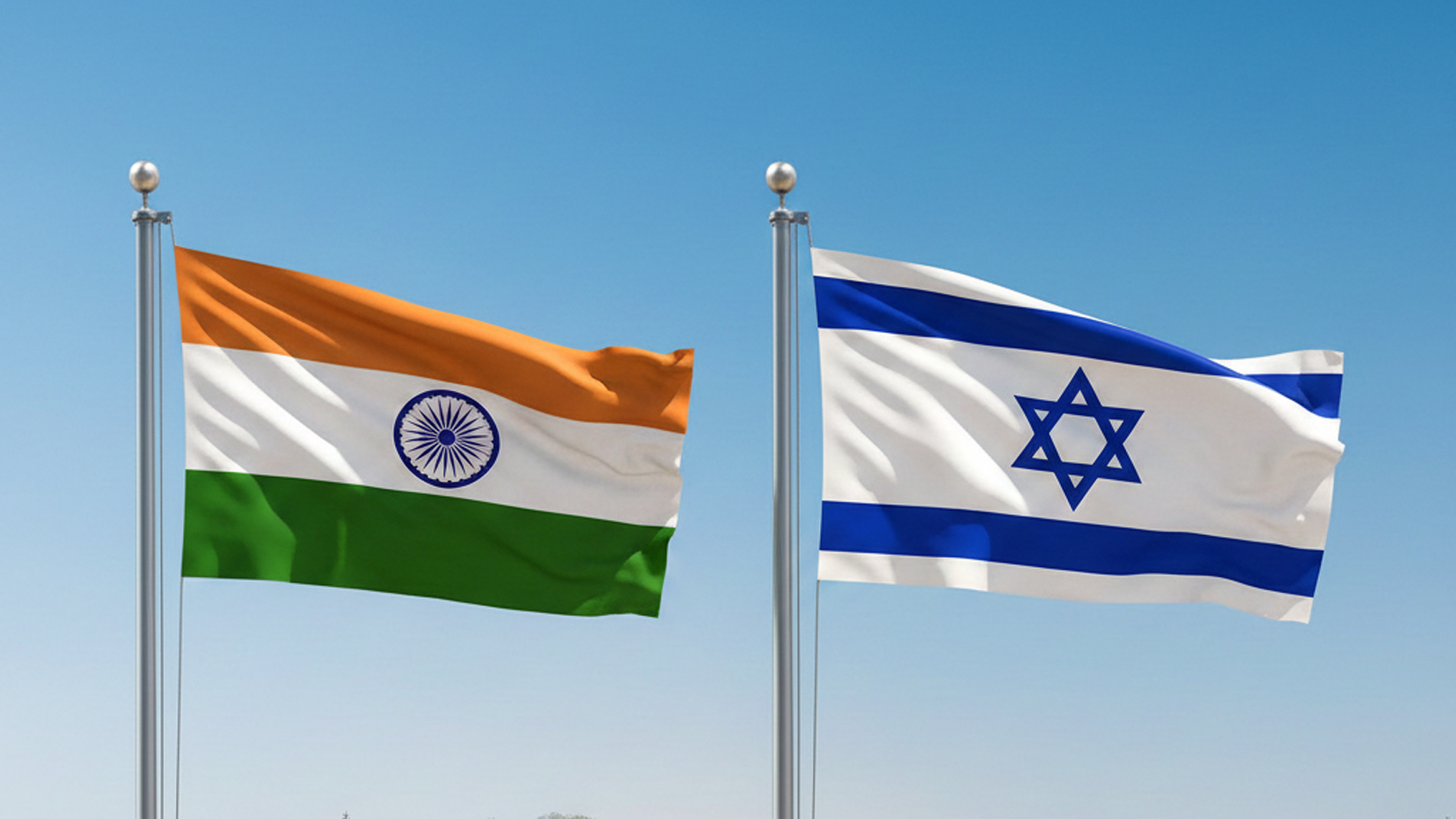
India and Israel continue to strengthen their strategic partnership, marked by high-level political engagement, expanding sectoral cooperation and deep-rooted civilizational ties.
India formally recognised Israel on September 17, 1950, and full diplomatic relations were established in 1992. Since then, bilateral ties have evolved into a robust and forward-looking strategic partnership.
Prime Minister Narendra Modi’s historic visit to Israel in July 2017 marked a major milestone, elevating ties to a strategic partnership. The visit was reciprocated by Israeli Prime Minister Benjamin Netanyahu in January 2018. Over the years, both sides have maintained frequent high-level exchanges, including meetings on the sidelines of global summits and regular telephonic conversations on regional developments.
In recent years, engagement has intensified further. The two Prime Ministers remained in close contact through 2025 and early 2026, discussing regional security developments, including the Israel-Iran conflict and broader West Asian stability. External Affairs Minister Dr. S. Jaishankar visited Israel in December 2025, where both sides adopted a Joint Work Plan for 2026.
Beyond political ties, cooperation spans agriculture, water management, science and technology, health, and innovation. The sixth India-Israel agricultural work plan (2024-2026) is currently underway, with 43 Centres of Excellence approved across India in areas such as horticulture and beekeeping.
Cultural and people-to-people ties remain a strong pillar of the relationship. More than 100,000 Jews of Indian origin reside in Israel, while over 42,000 Indian citizens currently live and work there. Yoga, Ayurveda and Indian culture enjoy growing popularity in Israel, supported by the Indian Cultural Centre in Tel Aviv.
India and Israel are also partners in multilateral initiatives such as the I2U2 grouping, alongside the UAE and the United States, reflecting their shared strategic vision.