Across India’s bustling railway network, a quiet yet impactful transformation is unfolding. Through the One Station One Product (OSOP) initiative, Indian Railways is turning railway platforms into vibrant marketplaces that celebrate the country’s rich cultural and artisanal heritage.
Launched on March 25, 2022, as part of the Union Budget 2022-23, the initiative aims to promote indigenous products by providing dedicated retail spaces at railway stations. Now, more than 2,000 stations host over 2,300 OSOP outlets, benefiting more than 1.32 lakh artisans, weavers, farmers, and members of Self-Help Groups (SHGs).
From Pilot to Nationwide Movement
What began as a 15-day pilot across 19 stations has now grown into a nationwide programme. OSOP stalls are allotted on a rotational basis at nominal fees, ensuring wider participation. Railway divisions work closely with state agencies, MSMEs, and SHGs to manage operations and expand outreach.
By leveraging the vast reach of Indian Railways, the initiative connects local producers directly with millions of daily passengers, offering them a platform that was previously out of reach.
A Journey Through India’s Craft Traditions
Each OSOP outlet reflects the unique identity of its region, transforming routine travel into a cultural experience.
At Tenkasi Junction, intricately crafted cane products showcase local craftsmanship rooted in tradition. Meanwhile, Patna Railway Station brings globally renowned Madhubani paintings to the fore, allowing travelers to take home a piece of Bihar’s artistic legacy.
In eastern India, Asansol Railway Station features handloom bags, carpets, and handcrafted artefacts, while Tatanagar Railway Station offers a range of locally made handicrafts that are finding new markets beyond regional boundaries.
Southern stations are equally vibrant. At Moore Market Complex Railway Station, stalls display cotton handloom textiles and traditional attar perfumes, blending visual and sensory experiences for travelers.
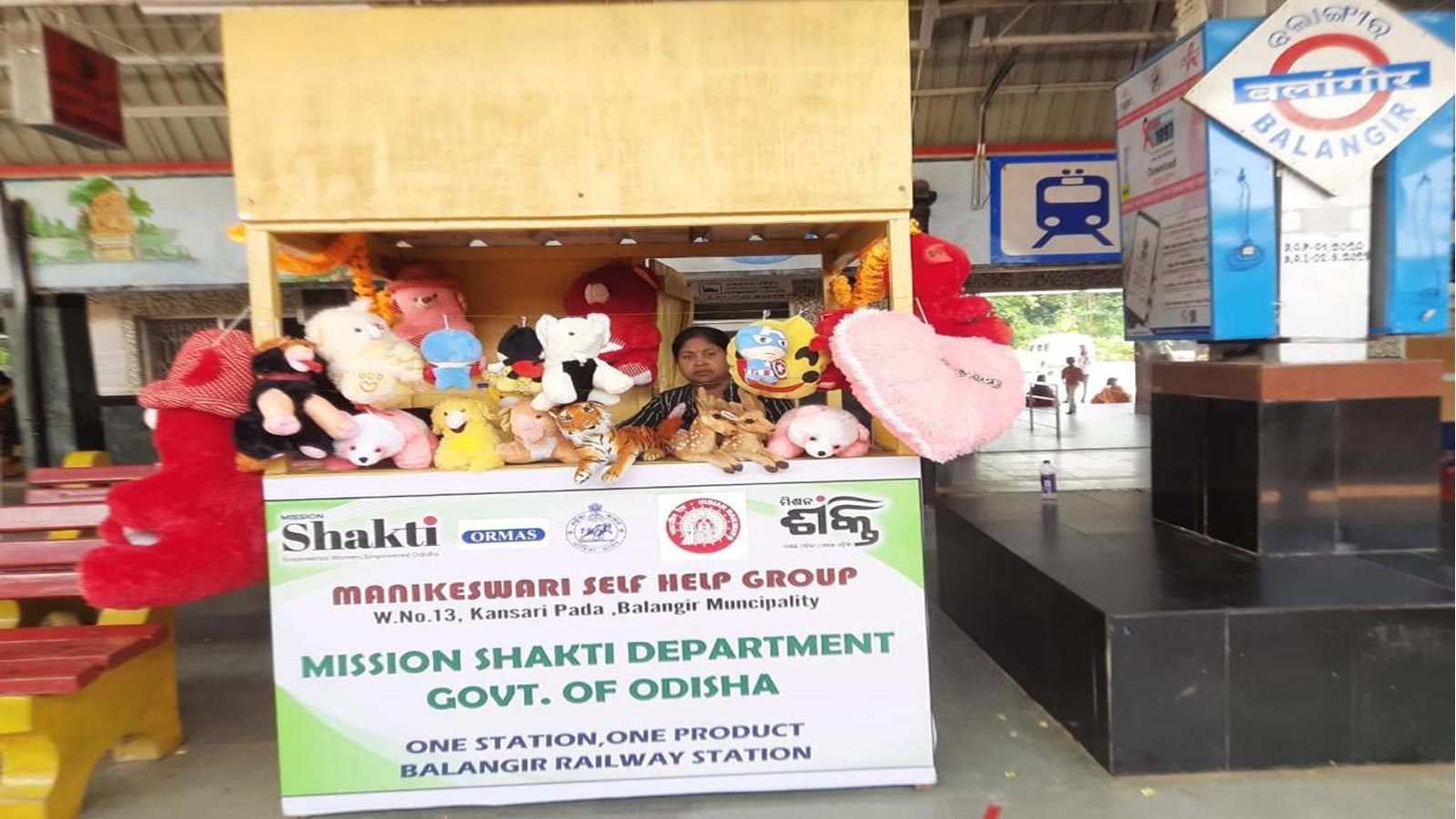
In western India, Jaipur Junction Railway Station showcases Sanganeri print textiles, highlighting Rajasthan’s famed textile heritage. Meanwhile, Balangir Railway Station features handcrafted toys made by local artisans, many of them women from SHGs, creating sustainable livelihood opportunities.
Empowering Communities, Especially Women
A key focus of OSOP is inclusivity. The initiative prioritises artisans, weavers, and farmers who often lack access to formal markets. Women-led Self-Help Groups, in particular, are playing a significant role, gaining visibility and financial independence through these outlets.
By connecting grassroots producers with a national audience, OSOP not only strengthens local economies but also helps preserve traditional skills that might otherwise fade over time.
More Than Just a Marketplace
Beyond commerce, OSOP is reshaping the very experience of railway travel. Stations are no longer just transit points – they are becoming spaces where culture, commerce, and community intersect.
For passengers, the initiative offers an opportunity to engage with authentic local products and stories. For artisans, it provides recognition, stable income, and a chance to expand their reach.
As OSOP continues to grow, it stands as a compelling example of how public infrastructure can drive inclusive development – ensuring that India’s diverse cultural heritage travels far beyond its place of origin.