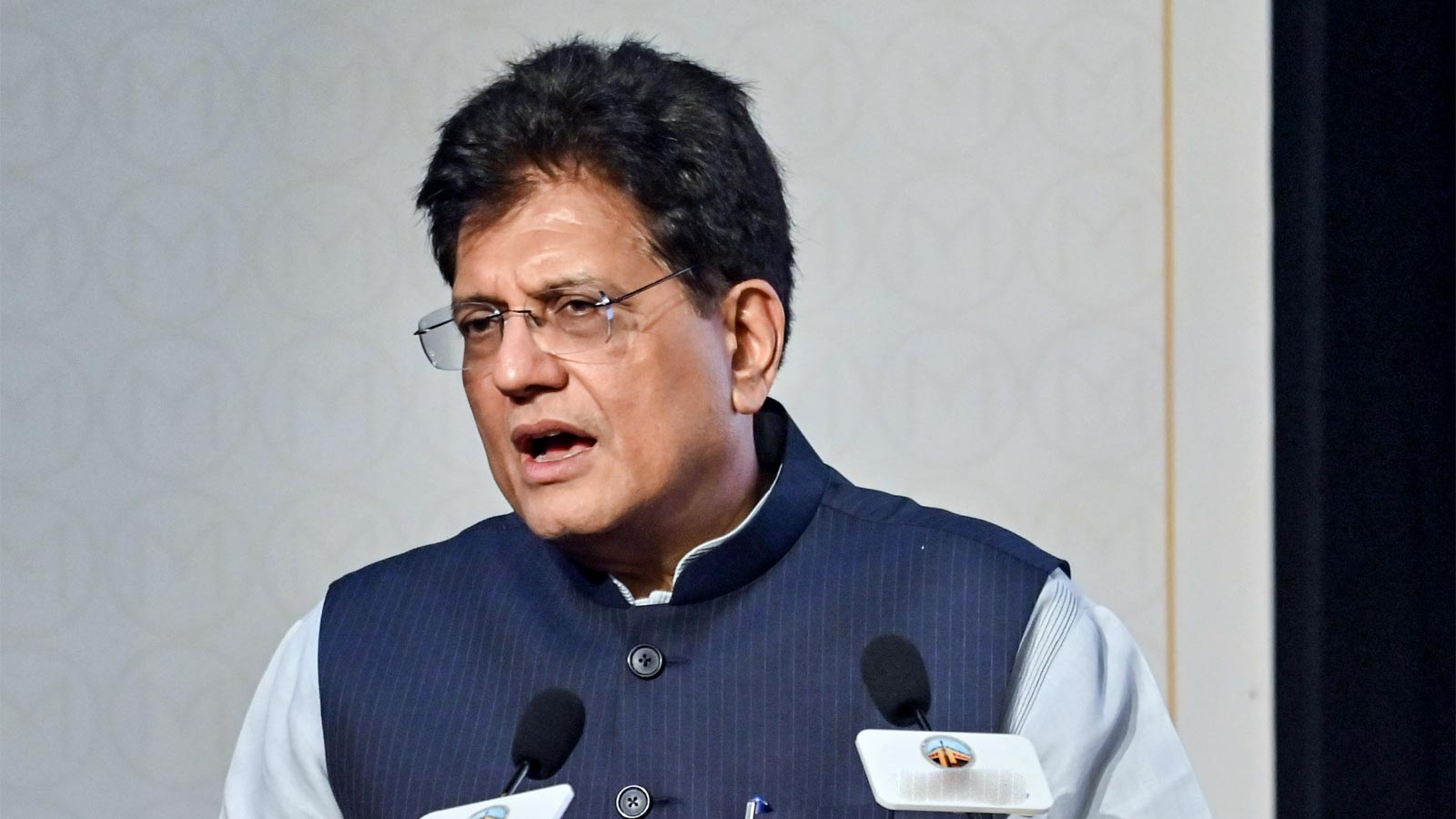
Union Commerce and Industry Minister Piyush Goyal on Sunday highlighted that the global challenge of overcapacity and overfishing is primarily driven by heavily subsidised industrial fleets, and not by small-scale fishermen in India and other developing nations, during deliberations at the World Trade Organization Ministerial Conference (MC-14).
Addressing discussions on fisheries subsidies – one of the key agenda items at the four-day conference held from March 26 to 29 – Goyal underlined the importance of safeguarding the interests of small and artisanal fishing communities while ensuring sustainability of marine resources.
He emphasised that India’s fisheries sector plays a crucial role in ensuring food security and livelihoods, supporting more than 9 million fisher families across the country. According to the minister, India’s fishing industry is largely composed of small, traditional and artisanal fishers who follow sustainable practices.
“India is not a heavily industrialised fishing nation and does not operate large distant-water fleets or highly mechanised fishing operations,” Goyal noted, adding that India’s fisheries subsidies remain among the lowest globally, at approximately USD 15 per fisher family annually.
During the negotiations on Phase II of fisheries subsidies, India advocated for an equitable framework rooted in principles such as Special and Differential Treatment (S&DT) for developing and least developed countries, and Common but Differentiated Responsibilities (CBDR). The country also pushed for a 25-year transition period for developing nations, stronger regulations on industrial fishing fleets, and a permanent exemption for small-scale fishers.
Goyal reiterated that overfishing concerns stem largely from large, subsidised industrial fleets operating in distant waters, and cautioned against policy measures that could disproportionately affect vulnerable fishing communities in developing countries.
Highlighting India’s long-standing commitment to marine conservation, he pointed to measures such as the annual fishing ban and other regulatory steps, noting that India had prioritised sustainability well before it became a global agenda.
India, he said, would continue to engage constructively in WTO negotiations to ensure that any final agreement balances environmental sustainability with the protection of livelihoods, particularly for small and traditional fishers.