







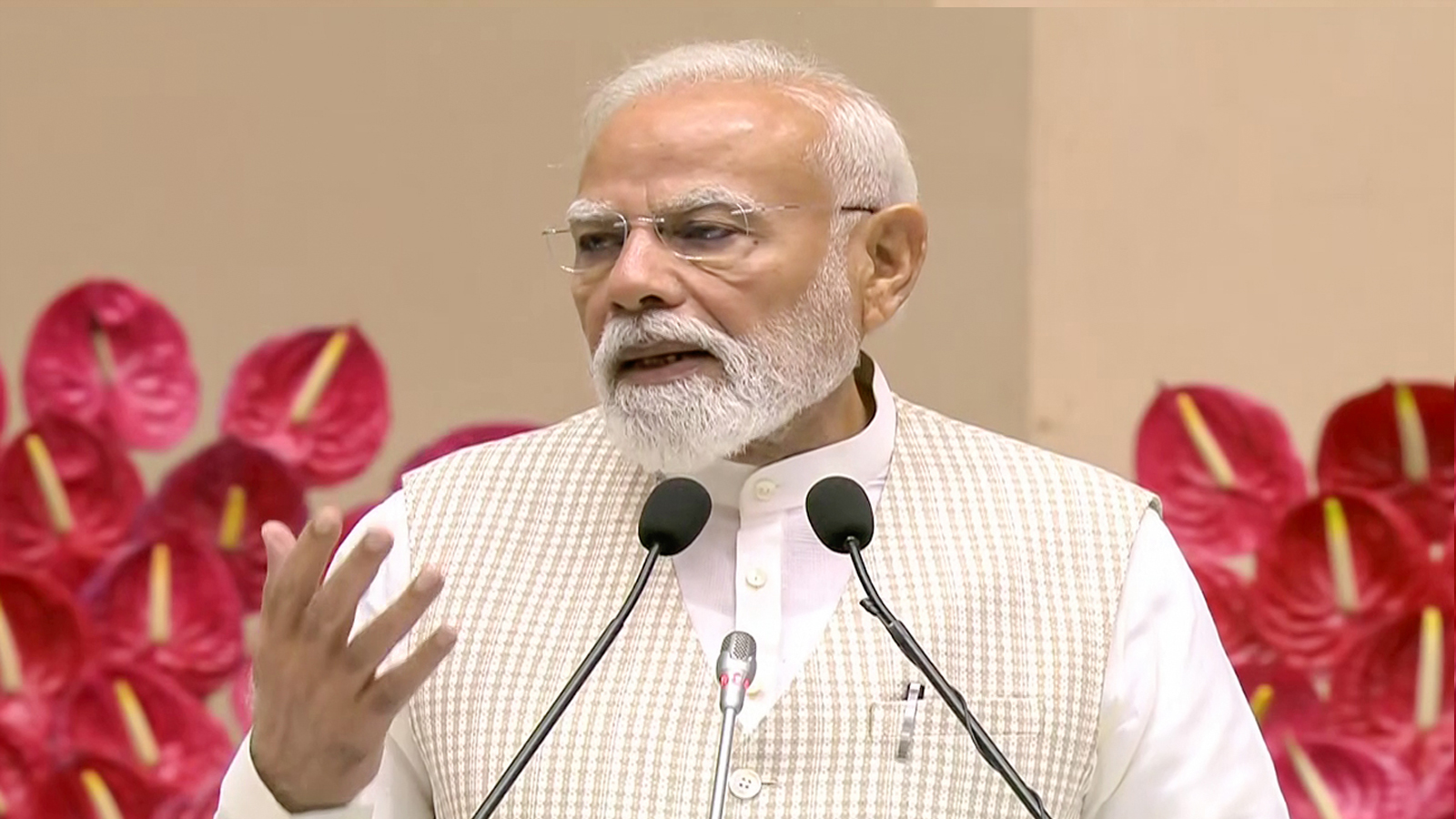
Prime Minister Narendra Modi on Monday shared an article by Union Commerce and Industry Minister Piyush Goyal highlighting the wide-ranging benefits of the India-New Zealand Free Trade Agreement (FTA), describing it as a major step in strengthening India’s global economic engagement.
In a post on X, PM Modi noted that the agreement removes tariffs on Indian exports, boosting labour-intensive sectors and strengthening MSMEs, while ensuring that sensitive areas such as agriculture and dairy remain protected. He also underlined expanded opportunities for students and skilled professionals, alongside support for agricultural productivity and investment flows.
In his article, Goyal described the FTA as a defining milestone in India’s engagement with developed economies, aligning with the government’s strategy to convert global partnerships into tangible gains for farmers, women, youth and job-creating industries. He emphasised that New Zealand’s decision to eliminate tariffs on all Indian products would significantly enhance competitiveness for key export sectors that currently face duties of up to 10 per cent.
The minister said labour-intensive industries such as garments, textiles, footwear, carpets, handicrafts, gems and jewellery, and engineering goods are expected to see a strong boost, driving exports and generating employment across MSMEs, manufacturing clusters and artisan communities.
Goyal also highlighted that the agreement is India’s first “women-led” FTA, noting that a significant portion of the negotiating team comprised women. He said this reflects the growing role of women in leadership and decision-making, aligning with the broader vision of strengthening “nari shakti” as a driver of national development.
On agriculture, the minister said the agreement strikes a careful balance by promoting productivity while safeguarding domestic interests. New Zealand will support agricultural productivity initiatives in areas such as apples, kiwifruit and honey through research collaboration, improved planting material, capacity building and the establishment of Centres of Excellence. At the same time, India has excluded sensitive products such as dairy items, onions, pulses, sugar and certain oils from tariff concessions to protect farmers and rural livelihoods.
Goyal further underscored enhanced mobility provisions for Indian students and professionals. For the first time, New Zealand has introduced a structured framework allowing uncapped student mobility, part-time work during studies and extended post-study work rights of up to three years for STEM graduates and four years for doctoral scholars. A Temporary Employment Entry visa pathway for 5,000 Indian professionals and a Working Holiday Visa scheme for 1,000 youths annually are also part of the agreement.
Goyal noted that New Zealand’s commitment to facilitate USD 20 billion in investment into India would support sectors such as manufacturing, infrastructure, renewable energy, digital services and innovation ecosystems, while also creating employment opportunities. He added that provisions for technology transfer, research collaboration and skill development would ensure long-term developmental benefits beyond trade.
Emphasising the broader significance of the pact, Goyal said the India-New Zealand FTA reflects a more confident and balanced trade strategy that secures meaningful market access for Indian exports while protecting vulnerable sectors. He added that such agreements are aligned with India’s long-term vision of inclusive growth and economic resilience as it moves towards becoming a developed economy by 2047.


