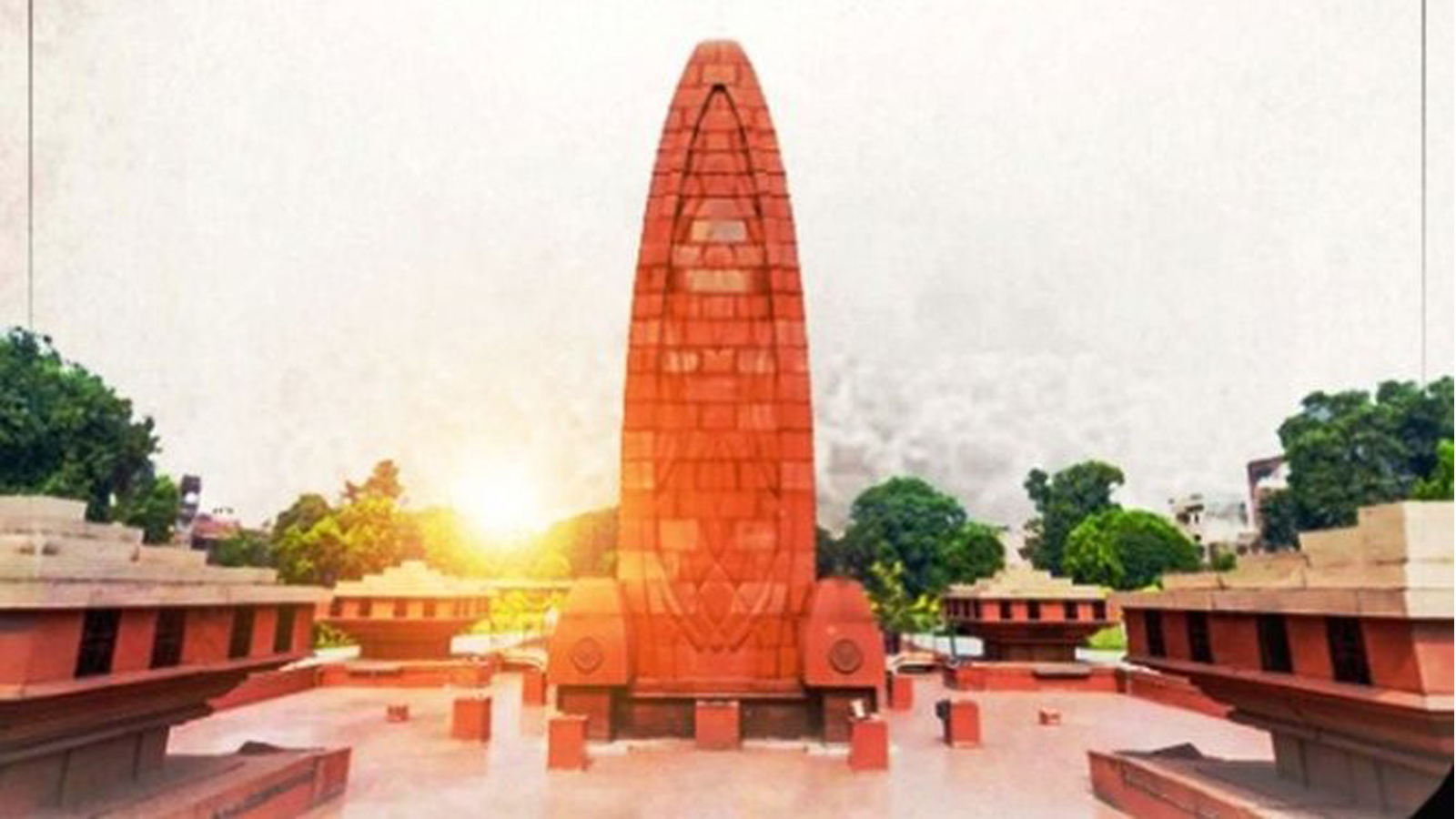
President Droupadi Murmu and Prime Minister Narendra Modi on Monday led the nation in paying homage to the victims of the Jallianwala Bagh massacre on its 106th anniversary, remembering their sacrifice as a defining moment in India’s freedom struggle.
President Murmu described the Jallianwala Bagh martyrs as immortal freedom fighters. In a post on X, the President said, “I pay my humble tribute to all the immortal freedom fighters who sacrificed their lives in Jallianwala Bagh. This incident instilled a new consciousness and firm resolve for freedom among the countrymen. The nation will always remain grateful to them. I am confident that their spirit of patriotism will continue to inspire everyone to move forward on the path of national service with dedication and loyalty.”
Vice President C.P. Radhakrishnan said in a post on X, “I pay solemn tributes to the brave martyrs of the Jallianwala Bagh massacre, whose sacrifice remains a poignant reminder of the cost of our freedom. The brutal events at Jallianwala Bagh continue to stir the conscience of the nation and stand as a testament to the resilience and courage of our people.”
“Their memory inspires us to uphold the values of justice, unity, and human dignity, and to remain steadfast in our commitment to building a stronger, more compassionate India,” he added.
PM Modi also paid tribute to Jallianwala Bagh martyrs. He said, “On this day, we pay our heartfelt homage to the brave martyrs of Jallianwala Bagh. Their sacrifice stands as a powerful reminder of the indomitable spirit of our people. The courage and determination they displayed continue to inspire generations to uphold the values of liberty, justice and dignity.”
The Prime Minister also shared a Sanskrit subhashitam, urging people to nurture positive forces that strengthen the nation while resisting divisive elements. He said, “O industrious people! Nurture those benevolent forces within your society that make the nation prosperous, aware and self-reliant. At the same time, firmly resist the destructive forces that create division, injustice and discontent in society.”
Lok Sabha Speaker Om Birla said the massacre shook the conscience of the nation and united people in the struggle against colonial rule. He noted that the brutal firing on unarmed civilians ignited a stronger resolve for freedom and instilled a deep sense of national pride.
Union Home Minister Amit Shah termed the incident a reflection of the inhuman face of British rule, saying it marked a historic turning point that intensified the revolutionary spirit in India’s independence movement. He added that the tragedy inspired revolutionaries such as Bhagat Singh and Udham Singh.
The massacre took place on April 13, 1919, at Jallianwala Bagh in Amritsar, where thousands had gathered during the festival of Baisakhi and to protest against the Rowlatt Act.
(With agency inputs)