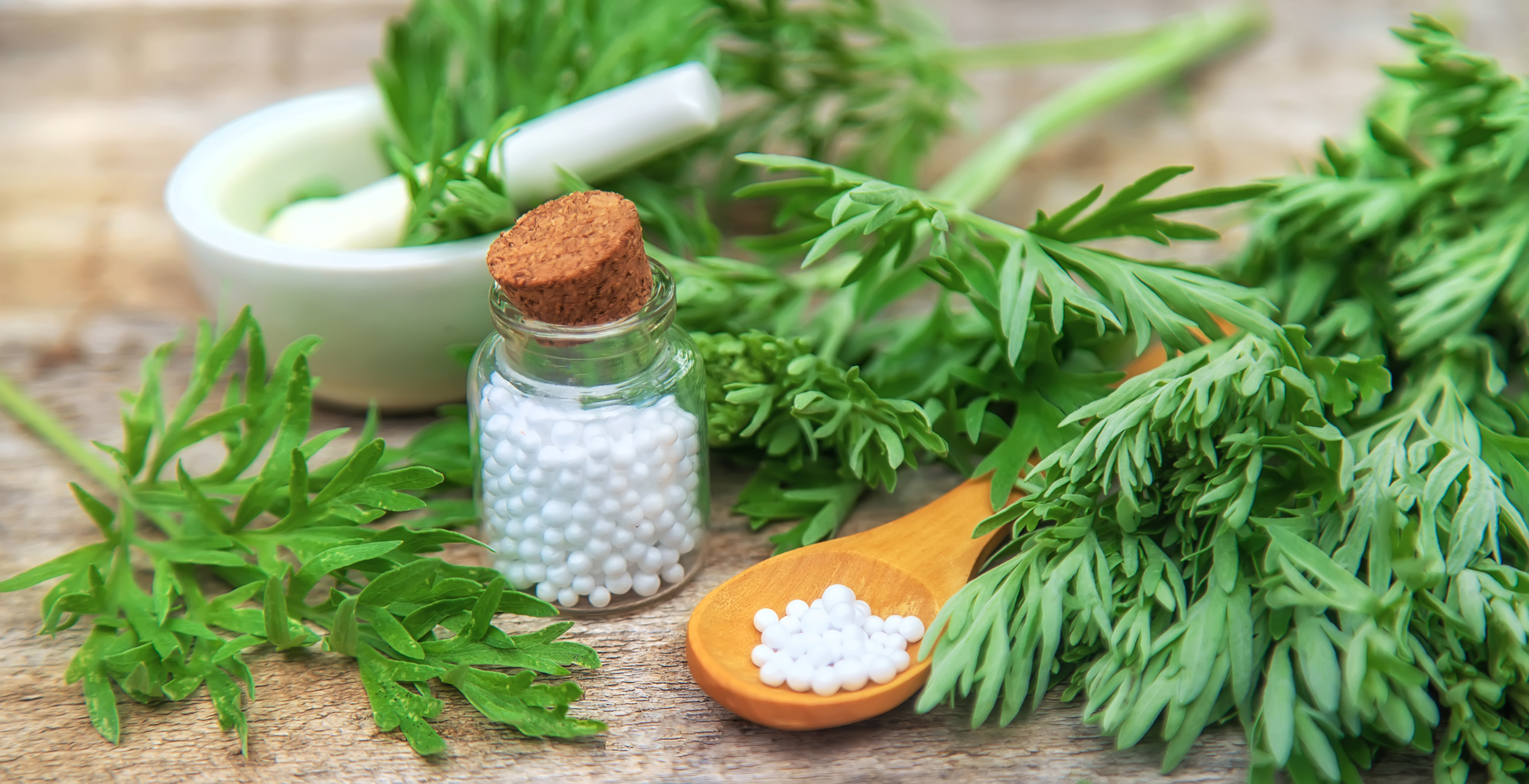
World Homoeopathy Day is observed every year on April 10 to commemorate the birth anniversary of Dr Samuel Hahnemann, the founder of homoeopathy. The theme for World Homoeopathy Day 2026 is “Homoeopathy for Sustainable Health”.
India today accounts for one of the largest homoeopathic workforces in the world. Homoeopathy first entered India in 1810 when German missionaries began distributing homoeopathic medicines. At present, the country has around 3.45 lakh registered homoeopathy doctors, 8,593 homoeopathy dispensaries, 277 homoeopathy educational institutions and 34 research centres.
Origins and principles of homoeopathy
Samuel Hahnemann (1755–1843), a German physician, founded homoeopathy in the late 18th century. His seminal work Organon of Medicine continues to guide homoeopathy practice worldwide. Homoeopathy, derived from the Greek words Homois (similar) and Pathos (suffering), is a system of medicine that treats diseases using remedies that produce effects similar to the symptoms experienced by the patient. This approach was formalised in 1796 by Hahnemann.
The system is based on two foundational principles. The first is the idea of “like cures like”, which states that substances capable of producing symptoms in a healthy individual can treat similar symptoms in a sick person when administered in carefully prepared forms. The second principle, known as the “law of minimum dose”, emphasises the use of highly diluted remedies to stimulate the body’s self-healing mechanisms while minimising side effects.
Homoeopathic medicines are prepared from natural sources such as plants, minerals and animal substances through processes of dilution and succussion. They are administered in forms such as tablets, globules and liquids. A key feature of homoeopathy is its individualised approach, in which treatment is based on a patient’s overall physical and mental condition rather than just the disease. In India, homoeopathy has developed into a widely practised system contributing to preventive care, chronic disease management and holistic well-being.
How is World Homoeopathy Day observed?
Various activities are organised across the country to mark World Homoeopathy Day. The National Commission for Homoeopathy has called upon state councils, institutions and practitioners to organise programmes on April 10.
These activities include seminars, clinical discussions and academic competitions aimed at promoting knowledge exchange among practitioners and students. Public outreach programmes such as awareness campaigns and free health check-ups are also conducted to highlight the role of homoeopathy in preventive and holistic healthcare. Creative events like essay writing, poster-making and short video competitions are organised to encourage participation from students and the wider public.
Growth of homoeopathy in India
Homoeopathy was introduced in India in the early nineteenth century. Around 1810, John Martin Honigberger, a disciple of Samuel Hahnemann, began practising in India. His successful treatment of Maharaja Ranjit Singh in 1839 significantly increased the acceptance of homoeopathy among both elites and the general population.
The system gradually spread across different parts of the country. One of the earliest homoeopathic hospitals was established in Tanjore, Tamil Nadu in 1847. In Bengal, homoeopathy received strong support from practitioner and philanthropist Rajendra Lal Dutta. The endorsement of the prominent physician Mahendra Lal Sircar also contributed to its credibility and expansion. Over time, dispensaries emerged in cities such as Calcutta, Banaras and Allahabad.
What steps were taken after Independence?
After Independence, the Indian government began institutionalising homoeopathy through regulatory and research bodies. The Central Council of Homoeopathy was established in 1973 to regulate education and professional standards. This was followed by the creation of the Central Council for Research in Homoeopathy in 1978 to strengthen scientific research and clinical studies.
Today, India has around 34 dedicated homoeopathic research centres. Institutions such as the National Commission for Homoeopathy and the Central Council for Research in Homoeopathy play important roles in advancing research, drug standardisation and interdisciplinary collaboration in the field.
What does the Central Council for Research in Homoeopathy do?
The Central Council for Research in Homoeopathy, based in New Delhi, promotes scientific and ethical research to support the clinical practice and global acceptance of homoeopathy. Research activities are carried out through a network of 33 institutes and units across India.
The council undertakes drug proving, validation and standardisation of medicines, along with clinical research, documentation and publication. It also supports collaborative research projects and provides financial assistance through grant-in-aid programmes.
The council is involved in several public health initiatives such as Homoeopathy for Healthy Child, the Swasthya Rakhshan programme, and the National Campaign on Homoeopathy for Mother and Child Care. It also works in collaboration with the National Programme for Prevention and Control of Cancer, Diabetes, Cardiovascular Diseases and Stroke.
What is the National Commission for Homoeopathy?
The National Commission for Homoeopathy was established under the National Commission for Homoeopathy Act, 2020, which came into effect on July 5, 2021. With its formation, the Board of Governors and the Central Council of Homoeopathy under the earlier Homoeopathy Central Council Act of 1973 were dissolved.
The commission regulates homoeopathic education and institutions, sets academic standards and curriculum, and maintains the national register of practitioners. It also ensures professional ethics, assesses healthcare needs, coordinates with state councils and monitors compliance with regulatory requirements.
What role does the Pharmacopoeia Commission play?
The Pharmacopoeia Commission for Indian Medicine and Homoeopathy functions under the Ministry of AYUSH. It is responsible for developing pharmacopoeias and formularies for Indian systems of medicine and homoeopathy, and for ensuring the quality and safety of medicines.
The institution also serves as the Central Drug Testing-cum-Appellate Laboratory. It was initially established in 2010 as the Pharmacopoeia Commission for Indian Medicine and was renamed in 2014 after homoeopathy was included in its mandate.
Government initiatives supporting homoeopathy
The Ministry of AYUSH implements several schemes to strengthen homoeopathy in education, research and healthcare services. The National AYUSH Mission aims to integrate traditional systems of medicine into mainstream healthcare by improving infrastructure and service delivery.
Under the mission, homoeopathy services are co-located at Primary Health Centres and Community Health Centres, and financial support is provided for hospitals, dispensaries and educational institutions. More than 1,84,235 Ayushman Arogya Mandirs have been operationalised across the country.
Other initiatives include AYURSWASTHYA, which focuses on improving institutional quality and promoting research excellence, and AYURGYAN, which supports professional training and capacity building among practitioners.
The Extra Mural Research scheme provides financial support of up to ₹70 lakh for research projects lasting two to three years in order to promote scientific validation of homoeopathy.
How does the AYUSH ecosystem support homoeopathy?
Medicinal plants form the essential raw material base for many AYUSH systems, covering more than 7,000 species. With increasing demand for traditional medicines, the conservation and cultivation of medicinal plants have become important.
The National Medicinal Plants Board supports these efforts through programmes aimed at sustainable cultivation, conservation and supply of medicinal plants. These initiatives also contribute to rural livelihoods and the growth of the AYUSH industry.
What role can homoeopathy play in epidemic preparedness?
Homoeopathy has also been used as a complementary tool in epidemic preparedness and response. The Central Council for Research in Homoeopathy has conducted epidemic-related research and medical relief activities through its network of institutes.
Examples include interventions during outbreaks of Japanese Encephalitis and Acute Encephalitis Syndrome in Uttar Pradesh, chikungunya prevention initiatives in Kerala and dengue management programmes in Cuba. Multi-disease epidemic camps have also been organised to address conditions such as dengue, malaria, typhoid and conjunctivitis.
During the COVID-19 pandemic, the prophylactic remedy Arsenicum album 30C was administered to around five lakh people through 136 centres under the Ministry of AYUSH.
Homoeopathy in India represents a combination of traditional knowledge and evolving scientific engagement. Stronger regulation, expanding research and integration with public health initiatives have increased its visibility within the healthcare system.
Institutions such as the Central Council for Research in Homoeopathy and the National Commission for Homoeopathy continue to promote evidence-based practice and professional standards. As these initiatives expand, homoeopathy is expected to remain an important component of India’s integrative and pluralistic healthcare framework.