







Amid rising temperatures and intensifying heatwave conditions across several parts of the country, the Ministry of Ayush, in coordination with the Directorate General of Health Services (DGHS) under the Ministry of Health and Family Welfare (MoHFW), has issued a comprehensive public health advisory to help citizens protect themselves from extreme heat and heat-related illnesses.
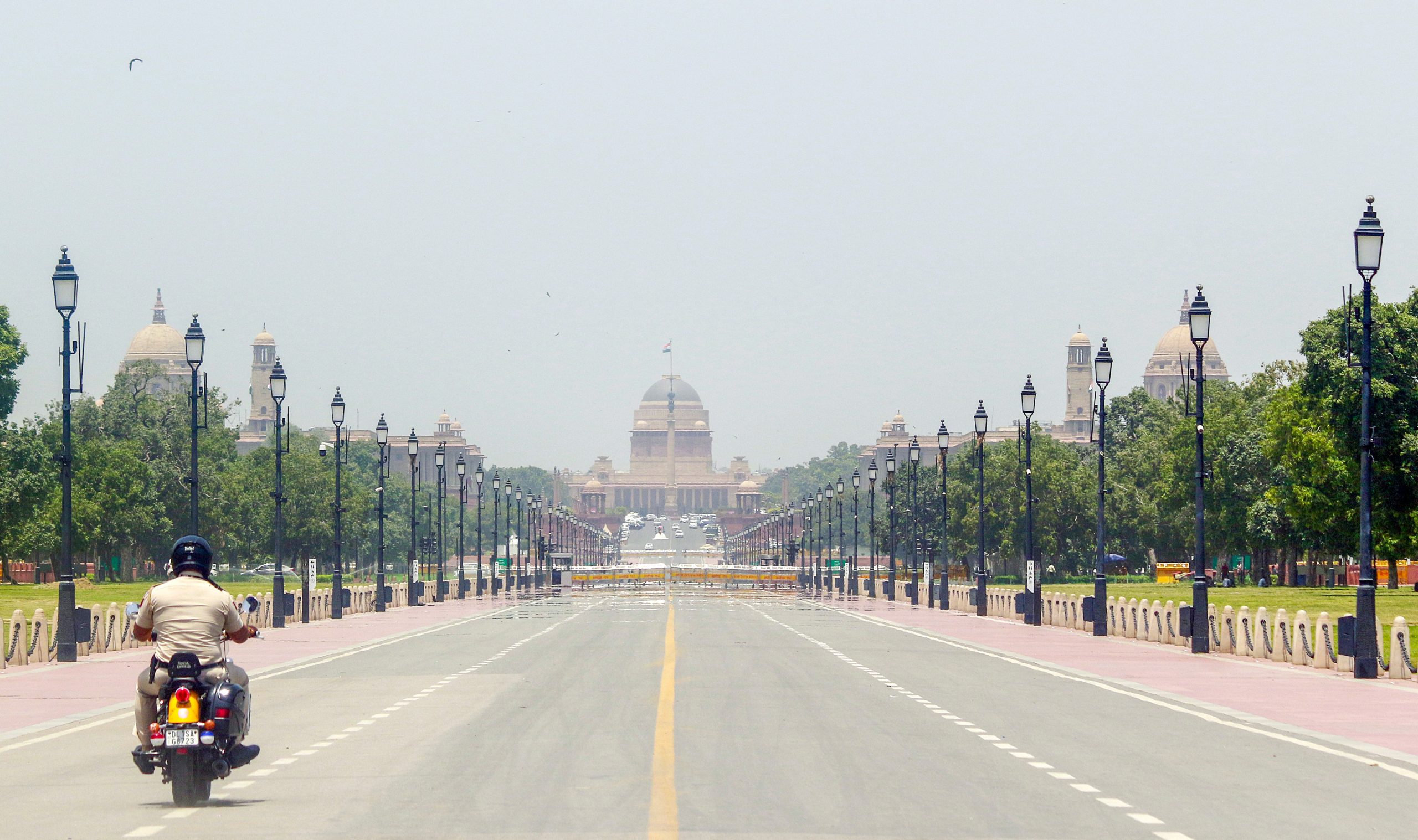
The advisory comes as the India Meteorological Department (IMD) forecast severe heat and dry weather across Delhi-NCR and several northern and central states till May 23, with temperatures in the national capital region (NCR) likely to touch 45 degrees Celsius.
The weather department has issued a yellow alert for May 19 and 20, warning residents about possible heatwave conditions and advising people to avoid unnecessary outdoor exposure during peak afternoon hours.
According to the IMD, temperatures in Delhi are expected to rise by 2 to 3 degrees Celsius over the next few days. While partly cloudy skies, thunderstorms and gusty winds of 20–30 kmph may bring brief relief, daytime temperatures are still expected to hover around 44 degrees Celsius. Clear skies later in the week could further intensify the heat.
Several states, including Rajasthan, Uttar Pradesh, Madhya Pradesh, Punjab, Haryana, Delhi and Chhattisgarh, are also likely to experience heatwave conditions in the coming days.
The Ayush Ministry advisory provides detailed guidance for the general public, vulnerable groups, employers, workers and participants in mass gatherings and sports events. It emphasizes staying hydrated, avoiding direct sunlight during peak hours, wearing light cotton clothing and consuming seasonal fruits and electrolyte-rich fluids.
The advisory noted that infants, children, pregnant women, elderly people, outdoor workers and individuals suffering from chronic illnesses such as heart disease and hypertension are particularly vulnerable during extreme heat conditions and require special care.
Special precautions have also been recommended for workplaces and outdoor activities, including shaded rest areas, regular hydration breaks, acclimatization measures for workers and awareness regarding symptoms of heat stress.
Citizens have been advised to remain alert for warning signs of heat-related illnesses such as dizziness, headache, nausea, dehydration, fainting, seizures and altered mental status. The advisory described heatstroke as a medical emergency and urged people to immediately contact emergency helplines 108 or 102 in severe cases.
The advisory also incorporates traditional wellness measures from Ayurveda, Siddha, Yoga, Unani and Homoeopathy systems to help combat heat stress.
The Ayurveda section recommends cooling dietary practices and hydrating drinks such as buttermilk, coconut water and lemon-based beverages, along with traditional preparations like Nimbukaphala Panaka, Amra Prapanaka and Chincha Panaka to regulate body temperature.
The Siddha and Yoga systems suggest cooling refreshments and breathing exercises such as Sheetali Pranayama, along with gentle yoga practices to reduce heat stress and maintain thermal comfort. The Unani system recommends traditional cooling drinks and herbal applications to prevent sunburn and dehydration.
The advisory further encourages the inclusion of hydrating foods such as cucumber, watermelon, lime, musk melon, ash gourd and tomatoes in daily diets during the summer season.
Health experts have advised people to stay indoors during peak heat hours between noon and 4 p.m., drink plenty of fluids and regularly check on vulnerable individuals during the ongoing heatwave conditions.
(With IANS inputs)


