







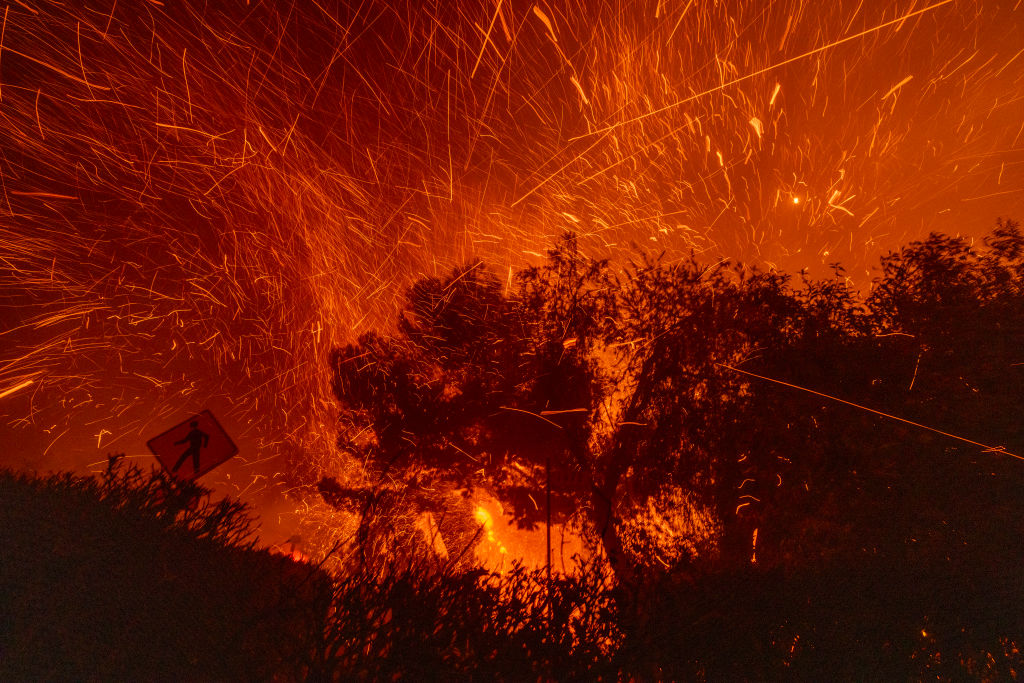
The recent wildfire in Tamil Nadu’s Nilgiris region, which destroyed vast stretches of forest amid soaring temperatures and dry winds, has once again highlighted the alarming impacts of climate change across the Indian subcontinent. Scientists warn that 2026 is already witnessing unprecedented wildfire activity worldwide, with massive fires raging across Asia, Africa, Australia and South America as extreme heat and prolonged drought continue to fuel devastating blazes. In April this year Nilgiris district experienced its largest forest wildfires in recent years, affecting over 5,000 acres. The Nilgiris wildfires could be tamed following nearly a fortnight of intense firefighting efforts.
Wildfires have wide-ranging impacts that seriously affect the environment, health of the people in the effected and adjoining areas, economies and global climate systems.
Wildfires cause severe environmental damage with consequences that often last for years. One of the most devastating impacts is the destruction of forests, grasslands and natural habitats, which often leads to a sharp decline in biodiversity as countless animals are killed, injured or displaced. The massive fires also release huge amounts of smoke, carbon monoxide and harmful particulate matter into the atmosphere, causing dangerous levels of air pollution that can spread across entire regions.
At the same time, burning forests emit enormous quantities of carbon dioxide and other greenhouse gases, intensifying climate change by weakening the Earth’s natural carbon absorption capacity. Wildfires also damage soil quality as extreme heat destroys essential nutrients and microorganisms, reducing fertility and increasing the risk of desertification in affected areas. In addition, ash, toxic chemicals and debris from burned land often contaminate rivers, lakes and groundwater sources, threatening drinking water supplies and harming aquatic ecosystems and wildlife.
Wildfires also have serious consequences for human health, affecting both physical and mental well-being. One of the most immediate impacts is the spread of respiratory illnesses caused by dense smoke and toxic pollutants released into the air. Exposure to smoke can trigger breathing difficulties, asthma attacks, lung infections and other respiratory problems particularly among children, the elderly and people with pre-existing health conditions.
Beyond physical illness wildfires also leave deep psychological scars on affected communities. People who lose their homes, livelihoods, belongings or loved ones often experience trauma, anxiety, depression and long-term emotional stress. The uncertainty and displacement caused by large-scale fires can further worsen mental health conditions.
In addition, wildfires usually occur during periods of intense heat and dry weather, increasing the risk of dehydration, heat exhaustion and heatstroke among both residents and firefighters. Together, these impacts make wildfires a major public health challenge across many parts of the world.
Wildfires also cause massive economic costs on countries and communities, often causing long-term financial damage. One of the biggest impacts is the destruction of property and infrastructure, as fires engulf homes, roads, railways, power lines and public facilities, resulting in billions of dollars of losses and very costly reconstruction efforts, which further put the already affected people and the government agencies in financial trouble. The agricultural sector also suffers heavily, with fires destroying crops, grazing fields, forests and livestock, disrupting food production and affecting farmers’ livelihoods as well as supply chains.
In many regions, tourism declines sharply when wildfires strike popular destinations as smoke, environmental destruction and safety concerns discourage visitors, severely impacting local businesses dependent on hospitality and travel. Emergency firefighting operations, evacuation measures, disaster relief, rehabilitation programs and rebuilding damaged infrastructure cost tremendously. These expenditures place additional pressure on the economy, particularly in developing countries already struggling with climate-related disasters and limited financial resources.
Wildfires also have severe social consequences that deeply affect communities and everyday life. Large-scale fires often force thousands of people to evacuate their homes, sometimes permanently, creating major humanitarian and rehabilitation challenges. Many families lose their belongings, security and social support systems during such disasters. Wildfires also destroy livelihoods, especially for forest-dependent communities, farmers and indigenous populations who rely on natural resources, agriculture and forests for survival and income.
In addition, educational activities are frequently disrupted as schools close due to poor air quality, safety concerns or evacuation orders, interrupting children’s learning and creating long-term academic and psychological challenges for affected students and families.
Wildfires also have far-reaching global and long-term consequences that extend well beyond the immediate destruction caused by flames. Repeated wildfires disrupt ecological balance by altering natural ecosystems, damaging habitats, affecting wildlife migration patterns and disturbing food chains essential for biodiversity. Burned forests also become increasingly vulnerable to future fires, particularly when vegetation regrows unevenly, creating conditions for more frequent and intense blazes.
Taking all the consequences into accounts climate scientists warn that large-scale wildfires can influence global weather systems by releasing massive amounts of heat and greenhouse gases into the atmosphere, contributing to worsening heatwaves, prolonged droughts and other extreme weather events worldwide.
As temperatures continue to rise due to climate change, the frequency and intensity of wildfires are expected to increase further. Today, wildfires are no longer seen as isolated natural disasters but are a major global environmental and humanitarian crisis, which is closely linked to climate change, deforestation and unsustainable land-use practices.
Without doubt wildfires have emerged as a global crisis with devastating environmental, health, economic, social and climatic consequences. Fuelled by rising temperatures and extreme weather conditions, they threaten ecosystems, human lives, livelihoods and economies worldwide. Addressing this growing challenge requires urgent climate action, sustainable land management, stronger disaster preparedness and coordinated global efforts, especially as many poor and developing countries remain inadequately prepared to cope with the enormous scale of wildfires due to limited resources and infrastructure.


