







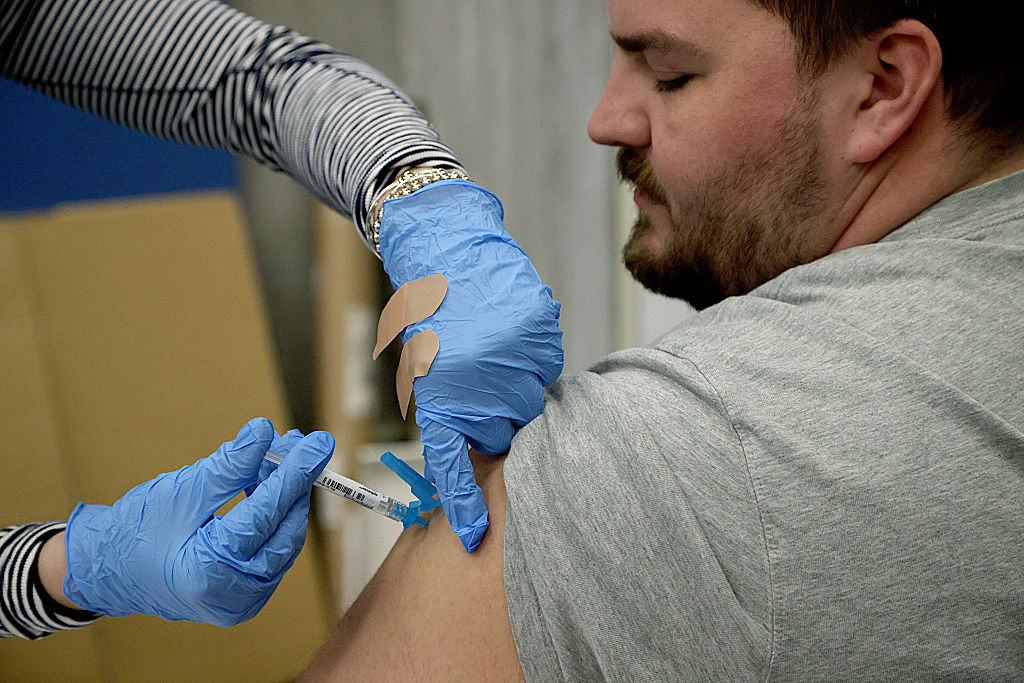
Moderna’s mRNA-based seasonal flu vaccine worked better than conventional flu shots in a late-stage international trial of more than 40,000 adults aged 50 and older, researchers reported on Wednesday.
The vaccine is currently under review by the U.S. Food and Drug Administration after the agency rejected the company’s initial application. A decision is expected by August 5.
If approved, Moderna’s shot would be the first seasonal flu shot in the United States made with mRNA technology, a faster vaccine platform than conventional methods, but one Health Secretary Robert F. Kennedy Jr. has targeted for extra scrutiny. Kennedy, a long-time anti-vaccine activist, has been particularly critical of mRNA technology, canceling hundreds of millions in research funding and making claims not backed by scientific evidence.
In the study, Moderna’s flu shot was 26.6% more effective than an approved standard-dose flu shot from GSK GSK.L, exceeding the study’s main goal of showing the shot was at least as good as existing vaccines.
“These findings support the role of mRNA-1010 in improving influenza prevention,” Dr. Isabel Leroux-Roels of Ghent University and colleagues wrote in the study published in the New England Journal of Medicine.
Side effects, including injection-site pain, fatigue, headache and muscle aches, were more common with the Moderna shot compared with the standard flu shot, but most were mild to moderate and short-lived.
Severe side effects were balanced between the two groups, occurring in 2.2% of those who received the mRNA shot and 1.9% with the standard dose vaccine, researchers reported.
Overall, safety was consistent with findings from prior late-stage trials, the study authors said.
In February, the FDA rejected Moderna’s application, citing concerns about the standard dose flu shot used in the comparison group. The agency argued that the company should have tested its shot against a high-dose flu vaccine in people aged 65 and older, which is recommended in the United States because of its higher efficacy.
After meeting with the company, the agency reversed course and accepted an amended application with the promise that Moderna would conduct an additional study in older adults once the vaccine is approved.
Regulatory reviews for Moderna’s flu shot are also underway in the EU, Canada and Australia.
The company’s combined mRNA flu and COVID-19 vaccine won European Commission approval in April.
(Reuters


