







Over the past 12 years, the North Eastern region has witnessed significant progress across connectivity, infrastructure, energy, healthcare, education and rural development, positioning “Ashtalakshmi” at the heart of India’s growth story.
Comprising Assam, Arunachal Pradesh, Manipur, Meghalaya, Mizoram, Nagaland, Tripura and Sikkim, the Northeast has seen sustained policy support and targeted investments aimed at improving connectivity, enhancing quality of life and strengthening regional integration.
According to official data, 3,746 projects have been sanctioned under various schemes of the Ministry of Development of North Eastern Region (MDoNER), with 2,730 projects completed at an approved cost of more than ₹27,963 crore. The PM-DevINE scheme, launched to accelerate infrastructure and social development, is supporting 48 projects across the region.
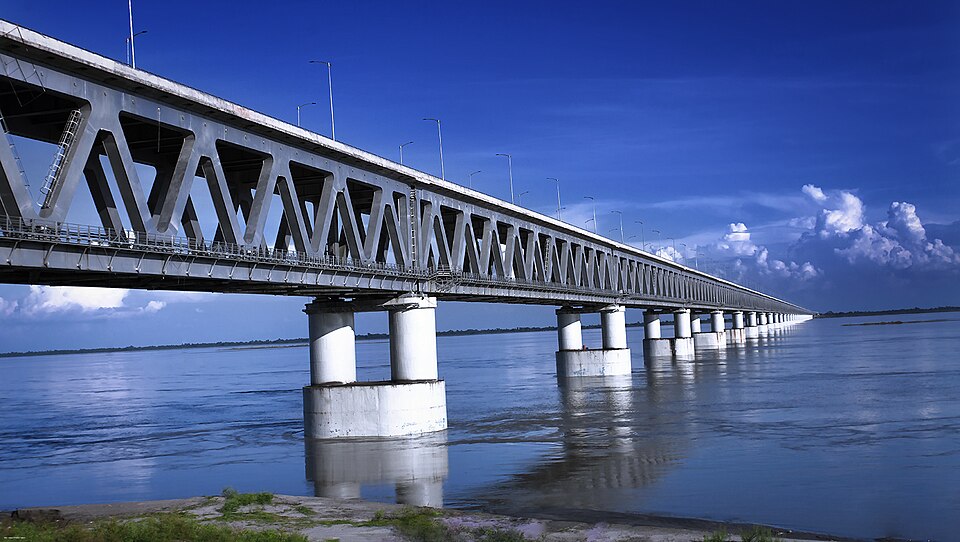
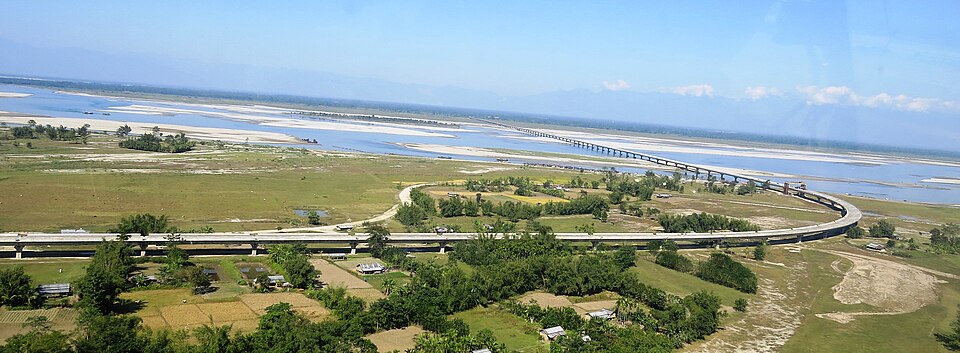
Connectivity has emerged as a key driver of transformation. The length of National Highways in the region has increased from 10,905 km in 2014 to 16,207 km in 2025, while more than 50,850 km of rural roads have been constructed under the Pradhan Mantri Gram Sadak Yojana.
Rail connectivity has also expanded significantly, with over 1,900 km of tracks commissioned between 2014 and 2026. Several states have achieved full railway electrification, and around 60 stations are being redeveloped under the Amrit Bharat Station Scheme.
Air connectivity has improved with the number of airports rising from nine in 2014 to 17 in 2026. Around 90 regional routes have been operationalised under the UDAN scheme, linking smaller towns with major cities.
The region has also emerged as a key contributor to India’s clean energy transition. Major projects such as the 2,880 MW Dibang Multipurpose Hydropower Project and the 2,000 MW Subansiri Lower Hydroelectric Project are expected to enhance renewable energy generation. Work on the North East Gas Grid is also progressing to improve access to cleaner fuel.
Basic amenities and social infrastructure have witnessed considerable expansion. Under the Jal Jeevan Mission, Arunachal Pradesh and Mizoram have achieved 100 per cent tap water coverage in rural households. More than 57 lakh household toilets have been constructed under the Swachh Bharat Mission, while over 28 lakh houses have been completed under PMAY-Gramin across the eight states.
Healthcare and education infrastructure have also been strengthened. AIIMS Guwahati has emerged as a major tertiary healthcare institution, while more than 8,200 Health and Wellness Centres are providing primary healthcare services. The region now has 79 universities, 1,001 colleges and 110 Industrial Training Institutes.
Agriculture and allied sectors have registered steady growth, supported by schemes such as PM-KISAN, PM-KUSUM and the Mission Organic Value Chain Development for North East. Organic farming, fisheries, dairy development and value addition through GI-tagged products have contributed to enhancing rural livelihoods.
The Act East Policy has further strengthened the strategic and economic importance of the region, with projects such as the India-Myanmar-Thailand Trilateral Highway and the Kaladan Multi-Modal Transit Transport Project enhancing connectivity with Southeast Asia.
With sustained investments in infrastructure, social development and regional integration, the North East is emerging as a key pillar of a connected, inclusive and developed India.


