







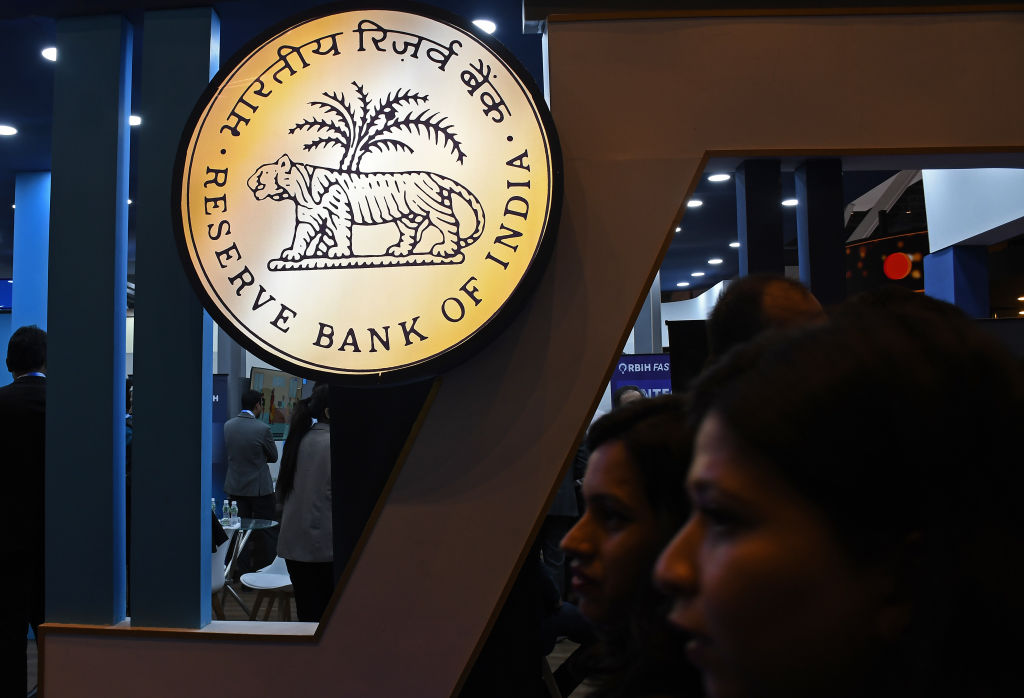
The Government and the Reserve Bank of India (RBI) have strengthened the regulatory framework governing India’s rapidly expanding fintech ecosystem through a series of policy, supervisory and consumer protection measures aimed at enhancing cybersecurity, promoting responsible innovation and safeguarding users of digital financial services.
Minister of State for Finance Pankaj Chaudhary, in a written reply to the Lok Sabha on Monday, said the government has been continuously engaging with financial sector regulators and other stakeholders to review issues relating to the fintech ecosystem, including digital lending platforms and payment aggregators, and has introduced several regulatory interventions based on these assessments.
Among the key initiatives is the RBI’s Framework for Self-Regulatory Organisation(s) in the FinTech Sector (SRO-FT), issued on May 30, 2024. The framework seeks to establish and enforce regulatory standards within the fintech industry while promoting ethical conduct, market integrity, transparency, accountability and effective dispute resolution among member entities.
To strengthen the security of digital payment systems, the RBI has also implemented the Master Directions on Digital Payment Security Controls, which prescribe minimum security standards for internet banking, mobile banking, card payments and other digital payment channels to address threats arising from web and mobile applications.
The Finance Ministry said the National Payments Corporation of India (NPCI) has complemented these efforts by providing banks with an Artificial Intelligence (AI) and Machine Learning (ML)-based fraud monitoring solution for Unified Payments Interface (UPI) transactions. The system enables banks to generate real-time fraud alerts and decline suspicious transactions, thereby improving the security of digital payments.
On the data protection front, the Ministry of Electronics and Information Technology (MeitY) has notified the Digital Personal Data Protection (DPDP) Act, 2023 and the Digital Personal Data Protection Rules, 2025, providing a legal framework for the protection of individuals’ personal data in the digital ecosystem.
To encourage innovation while maintaining regulatory oversight, the RBI has introduced an enabling framework for a Regulatory Sandbox, which allows fintech companies to test innovative financial products and services in a controlled environment with or without specified regulatory relaxations.
The Finance Ministry has also strengthened mechanisms for reporting cyber fraud and protecting consumers from illegal financial activities. The Ministry of Home Affairs has launched the National Cybercrime Reporting Portal and the National Cybercrime Helpline (1930), enabling citizens to report cyber incidents, including cases involving illegal loan applications.
In addition, banks facilitate public complaints regarding illegal deposit collection and unauthorised financial entities through the SACHET portal and the State Level Coordination Committee (SLCC) mechanism.
According to the Finance Ministry, the RBI and banks are also conducting sustained public awareness campaigns through SMS alerts, radio broadcasts and other outreach initiatives to educate customers about cyber fraud prevention. The RBI’s electronic-banking Awareness and Training (eBAAT) programmes further focus on increasing public awareness about digital frauds and promoting safe online banking practices.
The Finance Ministry said these measures collectively aim to strengthen the resilience of India’s fintech ecosystem while ensuring greater consumer protection, secure digital transactions and responsible innovation in the financial sector.


