







On 22nd August, a South Korean container ship departs Busan New Port, but instead of heading west towards the Suez Canal, it sails north. The vessel is navigating past Russia’s Kamchatka Peninsula, crossing the Bering Strait and venturing into the Arctic’s Northern Sea Route. This 5,600–kilometre maritime corridor hugs Russia’s Arctic coastline. It connects the Pacific and Atlantic oceans, stretching from the Bering Strait to the Barents Sea.
South Korea isn’t alone in testing whether melting sea ice can yield a commercially viable route. China is already aggressively expanding its presence here. On 15th August, a Chinese container ship departed for Felixstowe in the U.K., aiming to traverse the Arctic route in just 20 days. The incentive is simple. A traditional voyage from Shanghai to Hamburg via Suez takes up to 35 days. Under favourable conditions, the Arctic cuts that journey down to just 18 days. It trims thousands of kilometres, slashing transit times, fuel consumption and carbon emissions.
youtube.com/watch?v=pr_ZFvAbh1c&feature=youtu.be
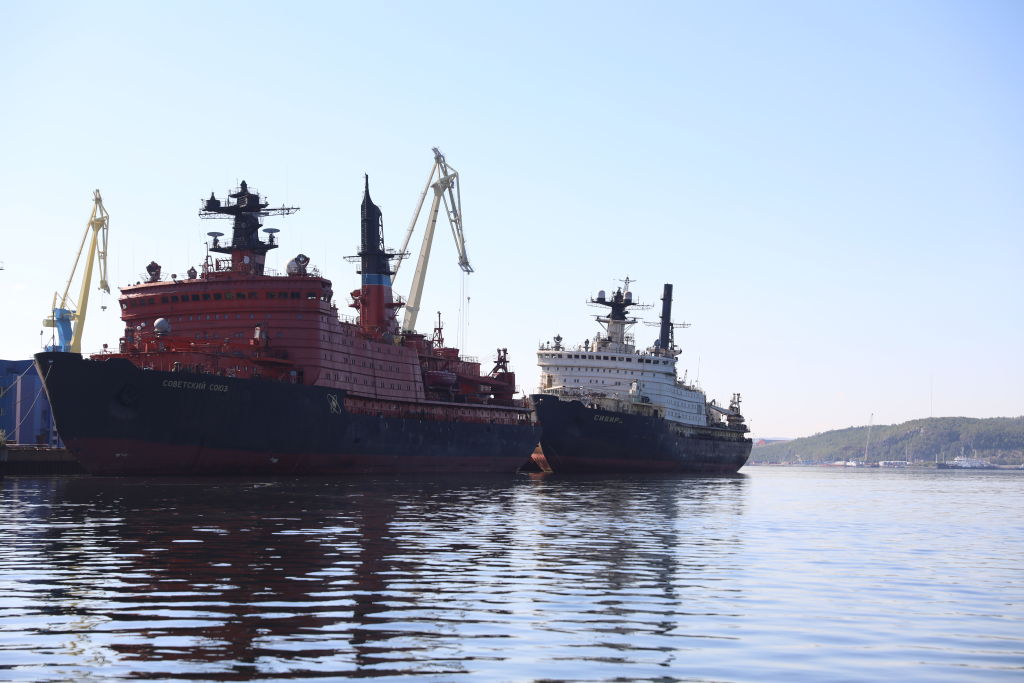
However, the Arctic is unforgiving. Rapidly shifting ice conditions require specialised ice-class vessels, expensive insurance premiums, and frequent, costly escorts by Russian nuclear ice-breakers. Yet, as Houthi strikes and geopolitical instability render the Red Sea highly volatile, shipping companies are looking for alternatives.
Beijing is capitalising on this by launching a scheduled weekly Arctic container service. Now, India is preparing to enter the fray. New Delhi has announced plans to launch its first pilot cargo vessel on the Northern Sea Route in 2027. For India, the route reduces distances to Northern Europe by up to 40 per cent. This route is part of a connectivity project that integrates three mega-corridors — the International North-South Transport Corridor through Iran, the Eastern Maritime Corridor linking Chennai to Vladivostok, and the Northern Sea Route.
However, this commercial shift carries heavy geopolitical risks because the corridor lies within Russia’s exclusive economic zone; Moscow holds total control over access, transit fees, and navigation permits through its State nuclear agency, Rosatom. For Western nations enforcing strict sanctions on Moscow, utilising the route triggers immediate compliance issues. As Western sanctions disrupt some of Russia’s traditional export routes, the Arctic provides Moscow with another avenue for moving energy and other commodities. Russia has already demonstrated how far it wants to push Arctic navigation, including sending oil tanker convoys deep into the northern waters. The broader aim is to diversify Russia’s trade routes and create additional options for moving its exports.
This commercial opening has triggered a massive security response. To counter expanding Russian and Chinese influence, NATO has dramatically scaled up its presence in the High North. Under Operation Arctic Sentry, launched earlier this year, the alliance is boosting deployments across Greenland and Iceland to protect these emerging trade lanes.
Climate change is unlocking a frozen frontier. However, regional conflicts, sanctions and resource competition are accelerating its transformation. The Northern Sea Route may not replace the Suez Canal tomorrow but as major Asian economies stake their claims, the Arctic is rapidly turning from an icy barrier into the world’s newest geopolitical highway.
(Ramesh Ramachandran is a senior consulting editor with D.D. India)


