India’s men’s cricket team is heading into a crucial phase of the international calendar with a worrying problem that extends beyond form or selection — an increasingly long list of injuries.
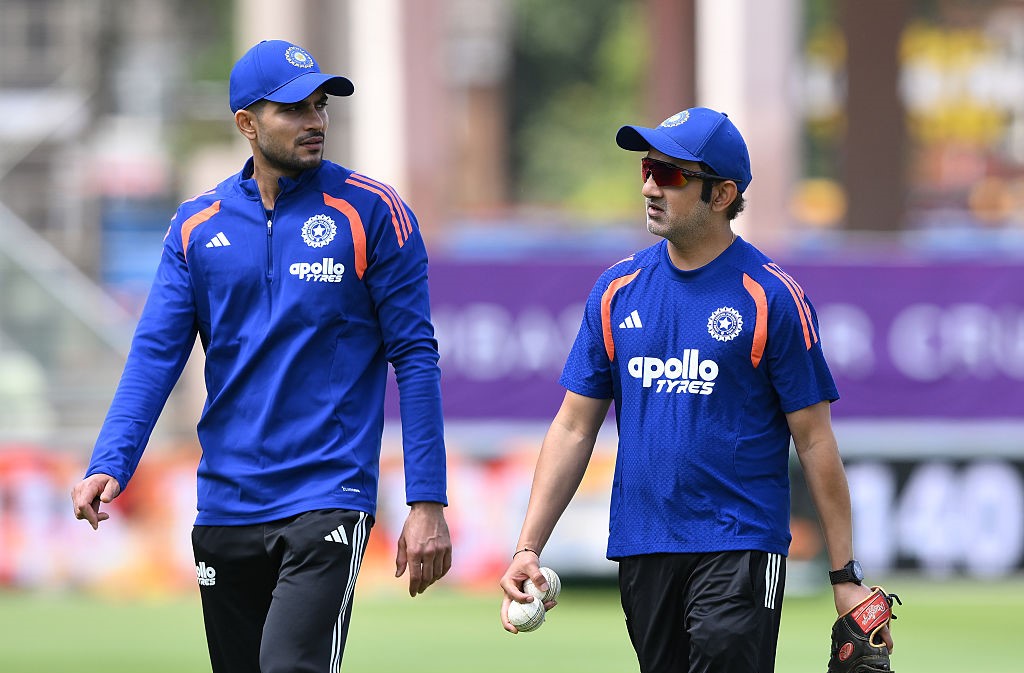
The team faces a demanding run of fixtures, with a packed schedule set to test its fitness levels and squad depth. Starting with the Sri Lanka Test series from August 15, India will also compete at the Asian Games in Japan before hosting Sri Lanka and travelling to New Zealand for an all-format tour. Captain Shubman Gill and head coach Gautam Gambhir are confronting a challenge that has become difficult to ignore, with several first-choice players either undergoing rehabilitation at the BCCI Centre of Excellence in Bengaluru or managing recurring fitness issues, forcing frequent changes to squad combinations.
The latest spate of injuries has also prompted Gill to publicly call for higher fitness standards within the team, underlining concerns over player availability.
India’s pace attack has been among the hardest hit. Jasprit Bumrah is recovering from a left knee injury sustained during the ODI series against England, while Akash Deep has spent months recovering from a recurring lower-back stress reaction that ruled him out of IPL 2026.
Harshit Rana’s comeback has also been interrupted by injuries. After returning from a lengthy layoff caused by a knee ligament injury, he suffered a Grade 1 right hamstring strain during the T20I series against England.
Young fast bowler Prince Yadav is the latest addition to the list after injuring his left hamstring during the Zimbabwe series.
The all-rounders’ department has also suffered major setbacks. Hardik Pandya has remained unavailable after suffering back spasms during IPL 2026, followed by a quadriceps strain that ruled him out of the ODI series against Afghanistan. Nitish Kumar Reddy aggravated a left quadriceps injury during the same series, delaying his return after changes to his bowling action and an increase in pace placed greater physical demands on his body.
Washington Sundar, another key all-round option, has endured successive setbacks. After recovering from a rib injury earlier this year, he suffered a right hamstring injury during the ODI series against England, once again disrupting his rhythm.
India’s spin resources have not escaped the injury concerns either. Varun Chakravarthy revealed that he played much of the IPL and the T20 World Cup with fractures in his left hand before sustaining a toe fracture and later a Grade 2 hamstring injury, forcing another spell on the sidelines.
Even players who have returned to action continue to raise fitness concerns. Gill has repeatedly suffered severe cramps during long innings, including in England, despite relatively mild conditions. Rohit Sharma missed multiple IPL matches because of a hamstring injury, while Virat Kohli returned only after recovering from a rare distal hamstring tendon tear suffered during the IPL final. Gurnoor Brar also suffered an injury scare during the England ODI series before making a comeback.
The growing injury list has brought the challenges of modern cricket into focus. With players moving constantly between international assignments, the IPL and domestic commitments, there is little time left for proper recovery, pushing athletes to manage a demanding physical workload throughout the year.
For the Indian team management, the challenge is no longer limited to finding the right playing XI but also ensuring that key players remain available for marquee assignments. Frequent injuries have disrupted continuity across formats, forced repeated squad reshuffles and tested the team’s bench strength.
The Sri Lanka Test tour, part of the World Test Championship, will provide an early assessment of how India manages its injury concerns and squad depth. However, the larger challenge for Indian cricket lies in striking the right balance between workload management, player fitness and long-term planning to ensure injuries do not become a recurring hurdle.