







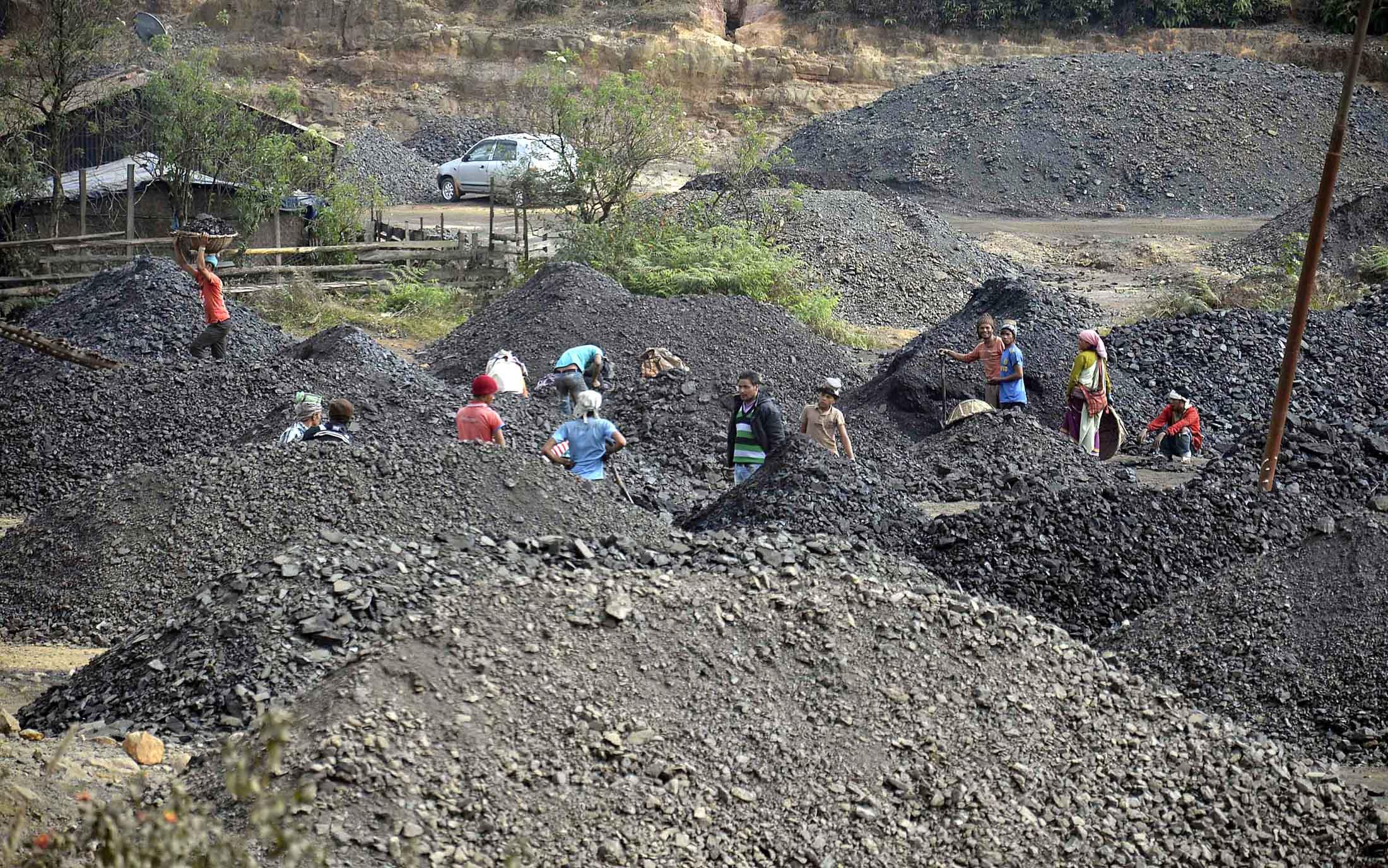
The Mines and Minerals (Development and Regulation) Amendment Bill, 2026, passed by both Houses of Parliament on August 13, seeks to bring greater stability, certainty and predictability to India’s major minerals sector and encourage investment in mining.
The amendment to the Mines and Minerals (Development and Regulation) Act, 1957 is aimed at creating a more stable fiscal regime for the sector while supporting the government’s objectives of Atmanirbhar Bharat and the broader vision of Viksit Bharat 2047.
The Ministry of Mines has clarified that the amendment will not take away the rights of states over land and minerals or their power to levy taxes on minerals. States will also retain their authority to regulate and impose taxes on minor minerals.
According to the Ministry, around 90 per cent of total taxes and statutory payments from mining currently accrue to states, and this arrangement will continue after the amendment.
The Ministry said the proposed changes are intended to provide greater certainty in the fiscal framework and encourage increased investment in domestic mineral exploration and mining.
Minerals are critical for infrastructure, manufacturing, energy security and overall economic growth. India imported minerals worth Rs 10.12 lakh crore in 2025-26, according to the Ministry, and it cautioned that steep and unbalanced taxation could make domestic minerals less competitive and encourage greater reliance on imports.
States currently impose around 14 different taxes, charges, fees and other levies on mining operations, including royalty, auction premium, dead rent, contributions to the District Mineral Foundation (DMF), Goods and Services Tax (GST) and transit fees.
The Ministry said that between 2015-16 and 2025-26, more than Rs 5 lakh crore accrued to major mining states, compared with around Rs 82,000 crore collected by the Centre during the same period.
The Ministry also highlighted the revenue generated through the auction regime introduced in 2015. Between 2020-21 and 2025-26, major mining states collected more than Rs 96,000 crore in auction premiums, in addition to revenues from royalty, DMF contributions, GST and other sources.
States that have taken the lead in auctioning and operationalising mineral blocks have consequently witnessed a significant increase in mining-related revenues.
The Ministry said the amendments would not alter the existing revenue-sharing position between the Centre and states, but would seek to ensure a more predictable fiscal environment for the mineral sector.
It also emphasised the need for a cohesive national strategy for mineral resources, which are finite and geographically concentrated in a limited number of states.
According to the Ministry, uneven and unchecked state-level taxation can increase domestic mineral costs, make locally available resources less competitive and incentivise imports despite the availability of mineral reserves within the country.
Such disparities can also fragment the national mineral market and undermine the broader objective of ensuring sustainable and equitable economic growth, it said.
The MMDR Amendment Bill, 2026 is therefore intended to strengthen the domestic mining sector, encourage investment and support greater utilisation of India’s mineral resources while maintaining the existing rights and revenue interests of states.


