







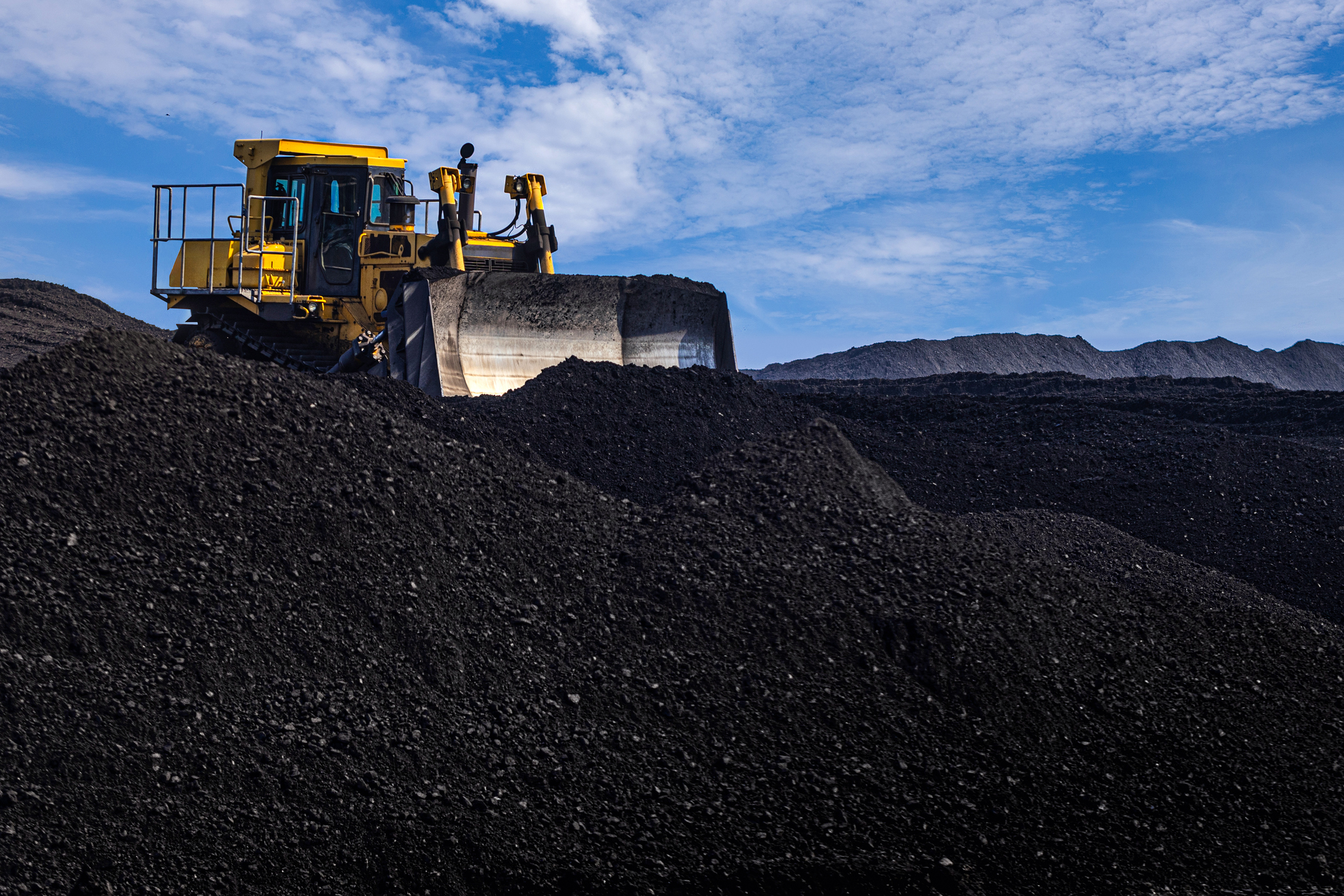
Talabira II & III Open Cast Coal Mine in Odisha, allocated to NLC India Ltd. under the Nominated Authority (NA) framework, recorded its highest-ever annual coal production of 19.14 million tonnes (MT) in the financial year 2025-26, marking an 11.28 per cent year-on-year increase.
The mine, located across Odisha’s Sambalpur and Jharsuguda districts, was allocated to NLC India on May 2, 2016, under Schedule III of the Coal Mines (Special Provisions) Act, 2015.
The mine also registered its highest-ever daily production of 1,26,138.07 tonnes on March 21, 2026, and its highest monthly production of 3.39 MT in March 2026.
The record production was accompanied by the highest-ever annual coal dispatch of 17.69 MT during FY 2025-26. Of the total dispatch, around 10.72 MT was supplied to the power sector, while 6.97 MT went to the non-regulated sector.
Coal produced at Talabira II & III is supplied to power-generating facilities in several states, including NTPC Darlipali, NTPC Gadarwara and NTPC Khargone, as well as NTPC Kudgi and other power plants across Odisha, Chhattisgarh, Jharkhand, Madhya Pradesh, Karnataka, Andhra Pradesh, Tamil Nadu and West Bengal.
Since production began, the mine has maintained a steady growth trajectory. Its cumulative coal production stood at 72.23 MT, while cumulative dispatch reached 70.89 MT as of August 14, 2026.
Technology drives operational efficiency
Technology has played a key role in improving the mine’s operational efficiency. The Digital Logistics Management System (DLMS) provides end-to-end digital monitoring of coal transportation and dispatch through RFID-based vehicle verification, AI-enabled cameras and technology-enabled entry and exit gates.
Following the implementation of the system, average vehicle processing time at the entry gate declined from 1.42 minutes to 0.54 minutes, while tare weighment time was reduced from 1.34 minutes to 0.48 minutes.
The mine also uses surface miners equipped with dust-suppression systems, GPS-based fleet management and geo-fencing, 3D terrestrial laser scanning with GNSS receivers, drone-based surveying, mechanised truck loading, Continuous Ambient Air Quality Monitoring Stations and CCTV surveillance.
Focus on environmental management
Alongside its production performance, Talabira II & III has undertaken measures aimed at reducing the environmental impact of mining operations.
Plantation has been carried out over 23.43 hectares within the mine lease, covering 64,288 plants, while another 29.48 hectares outside the mine lease has been covered with 65,202 plants.
The mine has also installed 11.68 kW of solar power capacity, including solar street lighting in nearby villages and solar lighting within mine infrastructure.
Dust-control measures include wet drilling, water sprinkling, fog cannons, fixed sprinkling systems, wind barriers, truck-washing systems and mechanised road sweeping.
No fatal accidents since inception
Safety has remained a key focus at the mine, which has reported no fatal accidents since its inception.
Its safety measures include a Safety Management Plan, improved haul-road and traffic management, personal protective equipment compliance, strengthened blasting procedures, safety training and near-miss reporting through the ARAN Safety App.
The mine has received multiple recognitions during the Annual Mines Safety Fortnight and has secured a Five-Star Rating under the Ministry of Coal’s Star Rating Evaluation consecutively from FY 2020-21 to FY 2024-25.
Generating jobs and supporting local communities
The project has also contributed to employment generation, supporting 3,277 employment opportunities, including 1,277 direct jobs and around 2,000 indirect employment opportunities through transportation and allied activities.
Five Project Affected Persons have received skill-development training at the Skill Development Institute in Bhubaneswar, while 101 rural youth and women have been trained in sustainable livelihood initiatives through RSETI and PMKVY centres.
The mine spent Rs 5.32 crore on corporate social responsibility initiatives in FY 2025-26. The expenditure supported healthcare, drinking water, education, school transportation, rural infrastructure, sports, cultural activities and solar lighting.
Health and blood-donation camps benefited around 1,500 people, while drinking-water supply through tankers benefited approximately 10,000 people.
During FY 2026-27, up to July 2026, another Rs 4.20 crore was spent on initiatives covering drinking-water supply, healthcare support, solar lighting, school and Anganwadi infrastructure, rural roads, community facilities and rejuvenation of water bodies.
The performance of Talabira II & III highlights the contribution of operationalised coal resources to domestic coal production and energy security, while also demonstrating the role of technology, safety measures, environmental management, employment generation and community development in mining operations.
With record production and dispatch in FY 2025-26 and cumulative production of 72.23 MT, the mine has emerged as a significant contributor to India’s domestic coal availability and energy security.


