







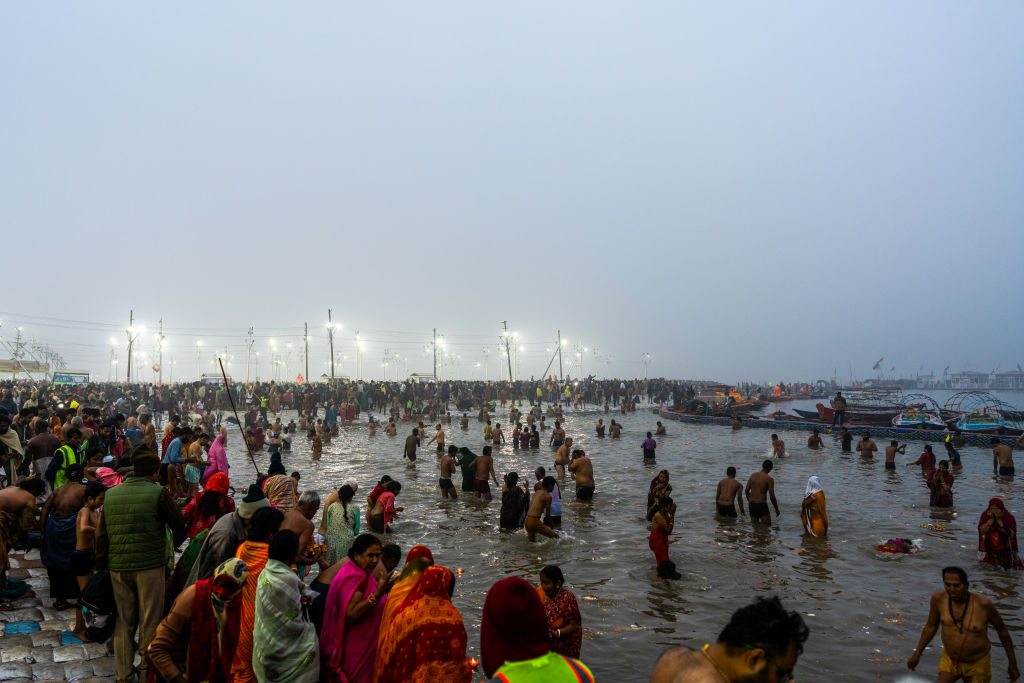
For centuries, the Ganga has been closely intertwined with India’s civilisation, culture and everyday life. The river has sustained communities, supported livelihoods and shaped traditions across generations. But increasing urbanisation, pollution and unplanned development have placed growing pressure on its ecological health.
Against this backdrop, the Namami Gange Programme (NGP), launched in 2014, has sought to approach the rejuvenation of the Ganga and its tributaries as a broader conservation mission rather than merely a river-cleaning exercise.
The programme brings together pollution abatement, sewage treatment, riverfront development, afforestation, conservation and scientific monitoring. Alongside these interventions, it has placed increasing emphasis on public awareness and participation through Jan Ganga, the public participation pillar of Namami Gange.
Built around the principle of Jan Bhagidari, Jan Ganga seeks to place communities at the centre of river conservation, taking the movement from awareness and participation towards a sense of collective ownership.
Turning conservation into collective action
Public participation has emerged through a range of activities, including cleanliness drives, plantation campaigns and educational programmes. These initiatives seek to make river conservation a shared civic responsibility rather than an activity confined to government agencies or designated occasions.
One of the major platforms for such participation is Ganga Swachhta Pakhwada, observed annually from March 16 to 31. The fortnight-long campaign brings together students, volunteers, community groups and other stakeholders across the five main-stem Ganga basin States of Uttarakhand, Uttar Pradesh, Bihar, Jharkhand and West Bengal, as well as the National Capital Territory of Delhi and towns along the Ganga’s tributaries.
The public engagement is also sustained through weekly cleanliness drives along the Yamuna in Delhi. Such activities are aimed at encouraging regular community involvement in keeping river stretches and their surrounding areas clean.
From riverbanks to green cover
Public participation under Namami Gange also extends beyond cleaning activities to the conservation of riverbanks and surrounding ecosystems.
Plantation has become an important component of these efforts, with healthy vegetation helping stabilise riverbanks and reduce soil erosion. The ‘Ek Ped Maa Ke Naam’ campaign has provided another avenue for participation by encouraging people to plant trees as tributes to their mothers, linking personal emotion with environmental responsibility.
World Environment Day also serves as a platform for plantation drives, awareness activities and community initiatives, further reinforcing public participation in environmental conservation.
Bringing the next generation into the movement
Jan Ganga places particular emphasis on young people, recognising that the sustainability of river conservation depends on creating environmental awareness among future generations.
Schools, colleges and universities provide opportunities for students to engage with river-related themes through essays, paintings, posters, debates and interactive awareness programmes. Experiential activities further enable students to connect classroom learning with ecological challenges.
University Ganga Clubs provide additional platforms through lectures, field visits, volunteering and outreach programmes. Eco-clubs, NCC units and educational institutions also contribute to sustained youth engagement.
Together, these initiatives seek to nurture informed young citizens who can carry the responsibility of river conservation beyond classrooms and textbooks.
Celebrating the cultural connection with rivers
The Namami Gange Programme has also integrated river conservation into a series of annual observances to maintain public engagement throughout the year.
Among these, Ganga Utsav is a major platform for community participation. It commemorates the Ganga’s recognition as India’s National River and brings people together through performances, exhibitions, art contests and public dialogues.
Other observances, including Swachhta Hi Seva and the International Day of Yoga, provide additional opportunities for public participation while reinforcing the enduring cultural relationship between communities and rivers.
Taking conservation beyond awareness
The programme has also used experiential initiatives to deepen people’s connection with the river. One notable example was the Border Security Force’s all-women river rafting expedition along the Ganga, which covered the river from its upper reaches to the sea.
The expedition highlighted courage, collaboration and environmental commitment while creating opportunities for interaction with students, residents and young volunteers. Such initiatives present the Ganga not simply as a natural resource but as a shared ecological and cultural heritage.
Community volunteers as river guardians
At the grassroots level, community volunteers have become an important part of the Jan Ganga approach.
Ganga Praharis work with local residents to spread environmental awareness, encourage responsible practices and help safeguard biodiversity. Ganga Seva Doots complement these efforts by extending outreach to schools, institutions and neighbourhoods through awareness campaigns and local initiatives.
Their work also encompasses efforts to protect aquatic life, restore habitats and maintain ecological balance. Together, these volunteer networks reflect the principle of Jan Bhagidari through citizen-led action and seek to create communities that act as long-term guardians of rivers and their surrounding ecosystems.
From infrastructure to stewardship
The Namami Gange experience underlines that river rejuvenation involves more than infrastructure and technological interventions. Sewage treatment, scientific monitoring and ecological restoration can contribute to improving river health, but their long-term impact also depends on how communities relate to and care for rivers.
Through Jan Ganga, the Namami Gange Programme has sought to make that relationship an integral part of conservation. The emphasis is shifting from simply creating awareness to encouraging sustained participation and ultimately a sense of ownership.
The larger objective is to create a culture of river stewardship, where collective action becomes a foundation for the sustainable development and long-term protection of the Ganga and its surrounding ecosystems.


