







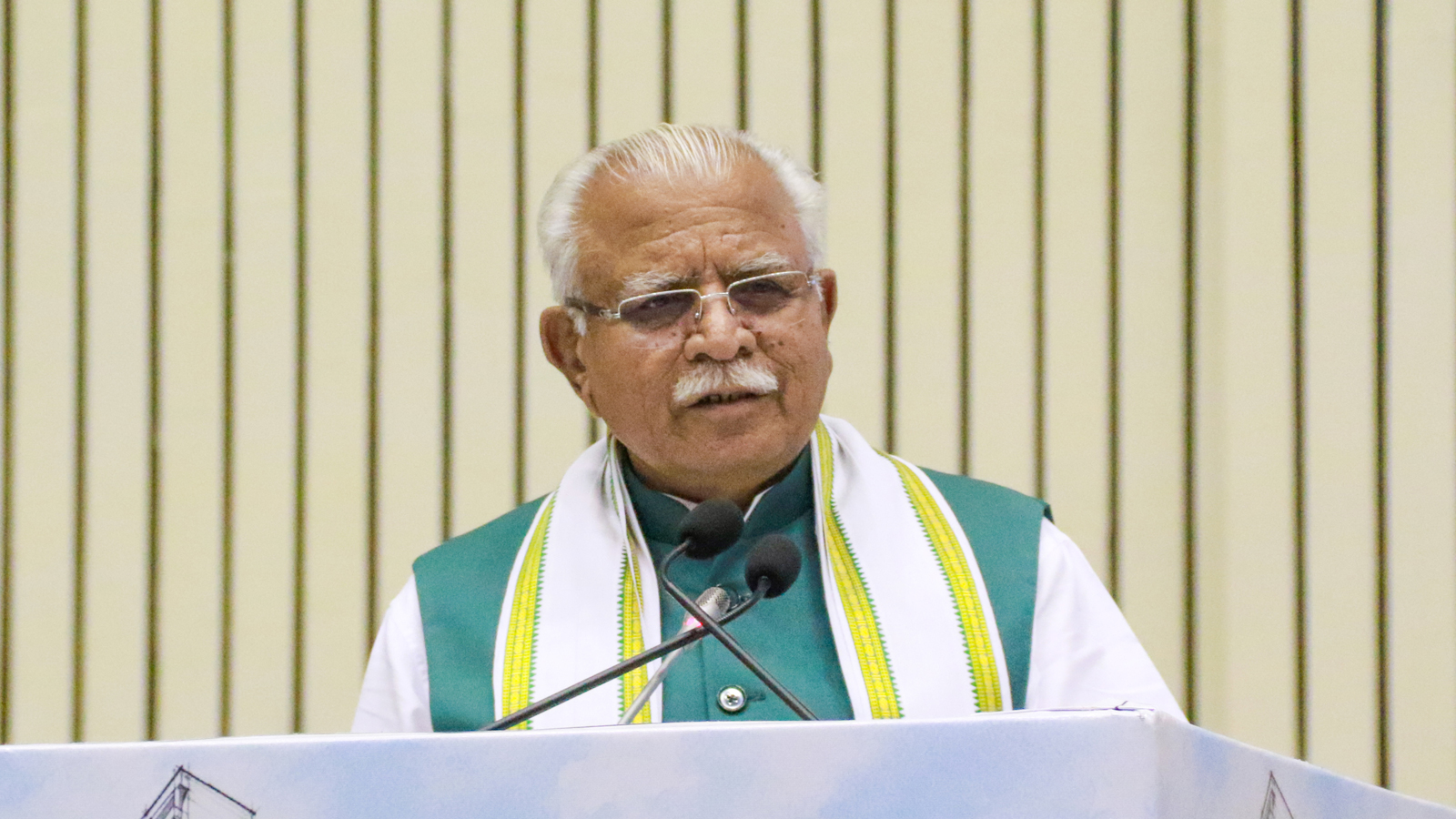
Union Minister for Power and Housing & Urban Affairs Manohar Lal will participate in the G20 Energy Ministerial Meeting in Houston, United States, from September 14 to 16, 2026, where Energy Ministers and senior representatives of G20 countries will deliberate on global energy security, affordability and resilient energy supply chains.
The meeting is being hosted under the U.S. G20 Presidency and will focus on key challenges facing the global energy sector, including the need to ensure reliable and affordable energy while strengthening infrastructure and supply chains.
Three key pillars of discussions
Manohar Lal will participate in ministerial sessions covering three key pillars: “Energy Security and Affordable Baseload,” “Permitting and Regulatory Efficiency,” and “Critical Minerals & Resilient Supply Chains.”
Discussions under the first pillar will focus on strengthening energy security and ensuring affordable baseload power. The second pillar will examine ways to improve permitting and regulatory processes to facilitate the timely development of energy infrastructure.
The third pillar will focus on developing secure, resilient and diversified supply chains for critical minerals, which are increasingly important for modern energy technologies.
India to highlight resilient energy approach
During the meeting, Manohar Lal is expected to highlight India’s approach to developing a resilient and future-ready energy system capable of meeting the country’s rapidly growing energy requirements.
He will also share India’s experience in improving permitting and regulatory efficiency through institutional and policy reforms. On critical minerals, India will emphasise diversification, circularity and strengthening the entire value chain.
India’s participation is expected to reinforce its commitment to constructive international engagement and collective efforts to address evolving global energy challenges.
Focus on inclusive and technology-neutral solutions
India will continue to advocate pragmatic, inclusive and technology-neutral approaches that take into account the diverse circumstances of individual countries.
The country’s position will emphasise the need for energy systems that are secure, affordable, reliable, resilient and sustainable, while supporting infrastructure development and long-term energy security for all.


