







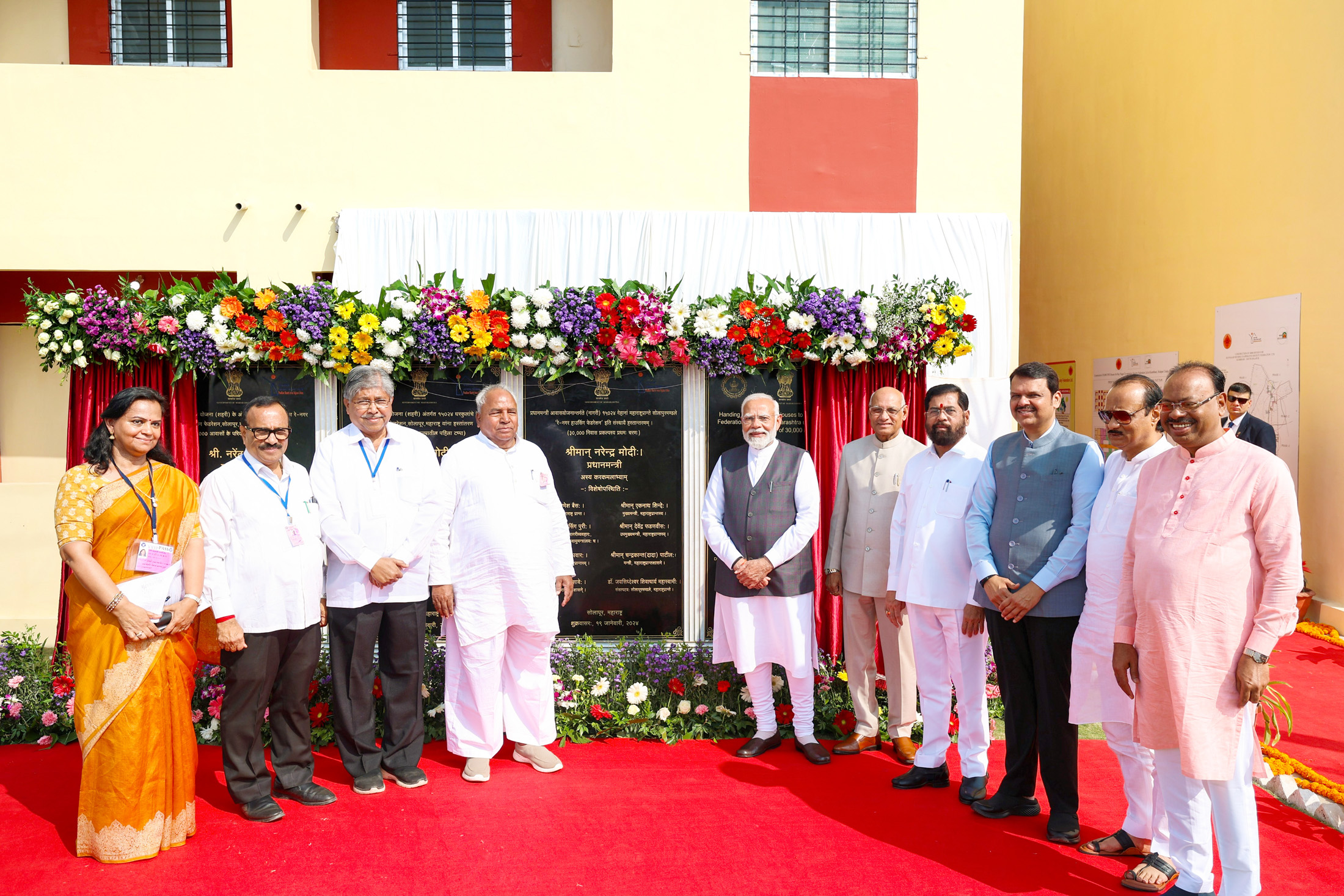
The Pradhan Mantri Awas Yojana–Urban (PMAY-U) has emerged as a major urban housing initiative aimed at providing affordable, pucca houses with basic civic amenities to eligible households across the country.
According to the government, 1.25 crore houses have been sanctioned under PMAY-U and PMAY-U 2.0 as of August 9, 2026, with more than 1 crore houses completed and delivered to beneficiaries.
Launched in June 2015, PMAY-U focuses on the housing needs of urban households, particularly those belonging to the Economically Weaker Sections, Low Income Groups and Middle-Income Groups, as well as slum dwellers. The original mission period, which ended in March 2022, has been extended up to September 30, 2026 to facilitate completion of sanctioned projects.
Building on the experience of the original scheme, PMAY-U 2.0 was launched in September 2024 and is being implemented from 2024 to 2029. The revamped scheme aims to provide financial assistance to 1 crore additional urban poor and middle-class families, with assistance of up to ₹2.50 lakh per unit for eligible beneficiaries.
PMAY-U 2.0 covers families under three income categories — EWS households with annual income up to ₹3 lakh, LIG households with income between ₹3 lakh and ₹6 lakh, and MIG households with income between ₹6 lakh and ₹9 lakh.
The scheme operates through four verticals — Beneficiary-Led Construction, Affordable Housing in Partnership, Affordable Rental Housing and the Interest Subsidy Scheme. These components support construction, purchase and rental housing as well as interest subsidies for eligible home loans.
As of August 9, 2026, around 18.38 lakh houses had been sanctioned under PMAY-U 2.0. Of these, 14.40 lakh were under Beneficiary-Led Construction, 2.48 lakh under Affordable Housing in Partnership, 1.36 lakh under the Interest Subsidy Scheme and 13,046 dwelling units under Affordable Rental Housing.
Women remain a key focus of the housing mission. Among the 1.25 crore houses sanctioned under PMAY-U and PMAY-U 2.0, around 1 crore have been allotted to women, either in the name of the female head of the household or through joint ownership.
The mission also prioritises housing access for Scheduled Castes, Scheduled Tribes, Other Backward Classes, minorities, senior citizens, persons with disabilities and transgender persons.
Technology-enabled systems have been integrated into the implementation and monitoring of the scheme. The PMAY-U 2.0 Unified Web Portal enables beneficiaries to apply for housing assistance and allows States, Urban Local Bodies and implementing agencies to track applications and project progress.
Geo-tagging is used to monitor houses across different stages of construction, while dashboards provide real-time information on key performance indicators. The scheme also promotes modern, green and innovative construction technologies through its technology and innovation initiatives.
The government has also highlighted the impact of the scheme on beneficiary households, citing examples where permanent housing has improved living conditions, sanitation, financial stability and overall security.
PMAY-U continues to focus on expanding access to affordable housing in urban areas, with PMAY-U 2.0 seeking to build on the experience of the earlier mission through targeted assistance, rental housing options, technology-enabled monitoring and greater emphasis on vulnerable groups.


