






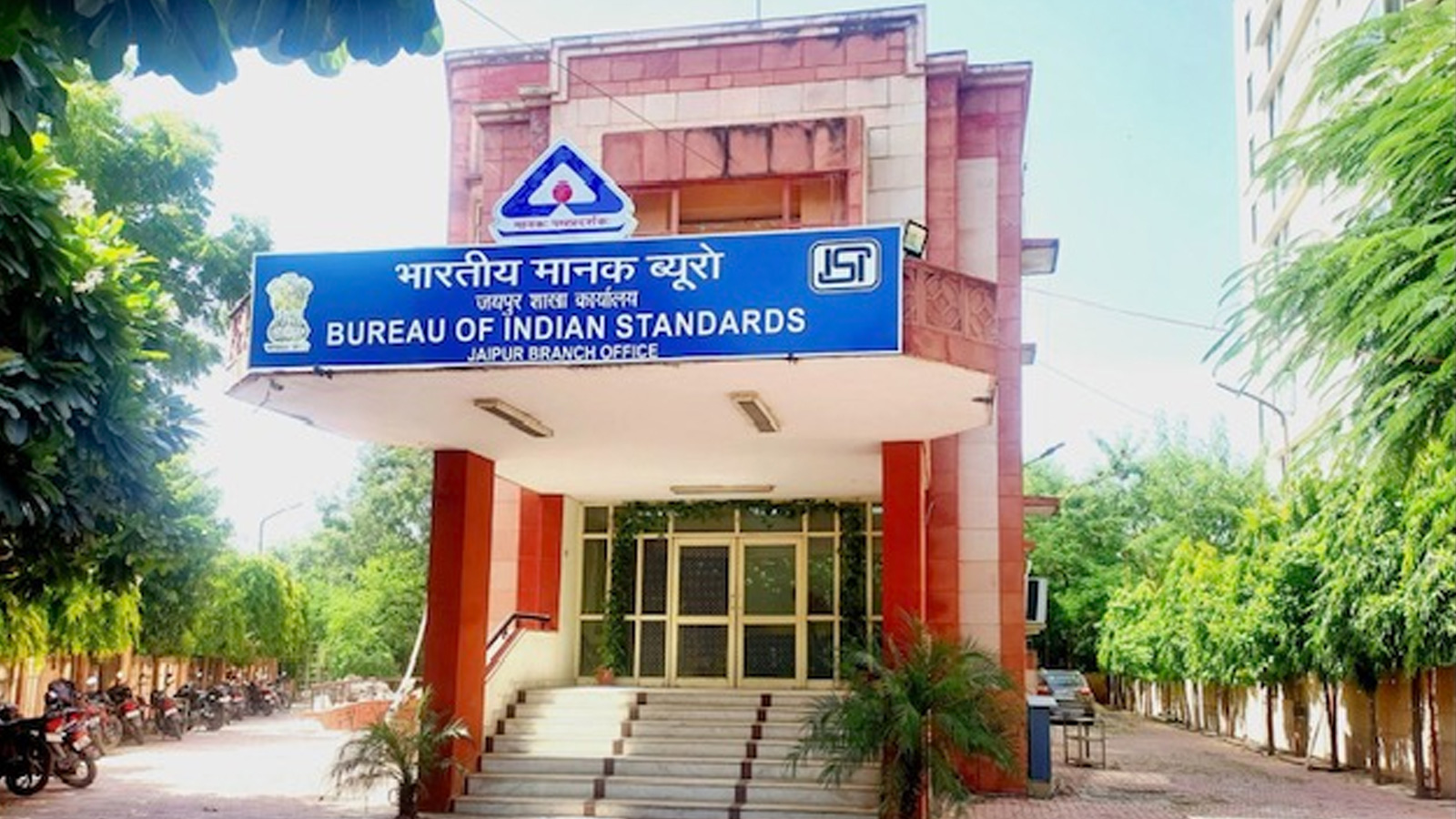
The Bureau of Indian Standards (BIS) organised two national events on standardisation in Ayurveda, Yoga and Sowa-Rigpa, bringing together more than 600 researchers, practitioners, academic experts and industry representatives to discuss quality assurance, patient safety and wider international acceptance.
The events, held in Belagavi, Karnataka, and Leh, Ladakh, focused on strengthening standards across education, research, manufacturing and clinical practice, according to a government release issued on October 19.
In Belagavi, BIS organised PRAGATI 2026, a national seminar on standardisation in Ayurveda and Yoga, in association with KLE Shri BMK Ayurveda Mahavidyalaya and the KLE Academy of Higher Education and Research. Around 600 participants attended the seminar.
Shrishti Dixit, Scientist-E and head of BIS’s AYUSH Department, outlined the organisation’s work in developing Indian Standards and expanding India’s participation in international standardisation through the International Organization for Standardization (ISO).
Discussions covered uniform terminology, educational benchmarks and clinical guidelines. Industry representatives also addressed how BIS certification could support market access and strengthen consumer confidence.
An interactive session examined practical challenges in adopting standards and identified gaps affecting their implementation across the sector.
In Leh, BIS held a brainstorming session alongside the fifth meeting of its Sowa-Rigpa Sectional Committee at the National Institute of Sowa-Rigpa.
Participants discussed testing parameters for medicinal herbs, raw materials and finished formulations, along with laboratory requirements, pharmacopoeial standards and quality assurance. The deliberations also addressed drug safety and efficacy, and the protection of traditional knowledge through intellectual property tools, including patents, trademarks and geographical indications.
The initiatives received support from institutions including the All India Institute of Ayurveda, the National Commission for Indian System of Medicine, and the central research councils for Ayurvedic Sciences and Unani Medicine.
BIS said it would continue engaging with industry and academia and facilitate online submissions of proposals for new standards.


