







The Goods and Services Tax (GST) Council on Thursday approved a series of taxpayer-friendly reforms, including the removal of arrest powers from tax officers and a significant increase in the prosecution threshold to Rs 5 crore from the existing Rs 1 crore.
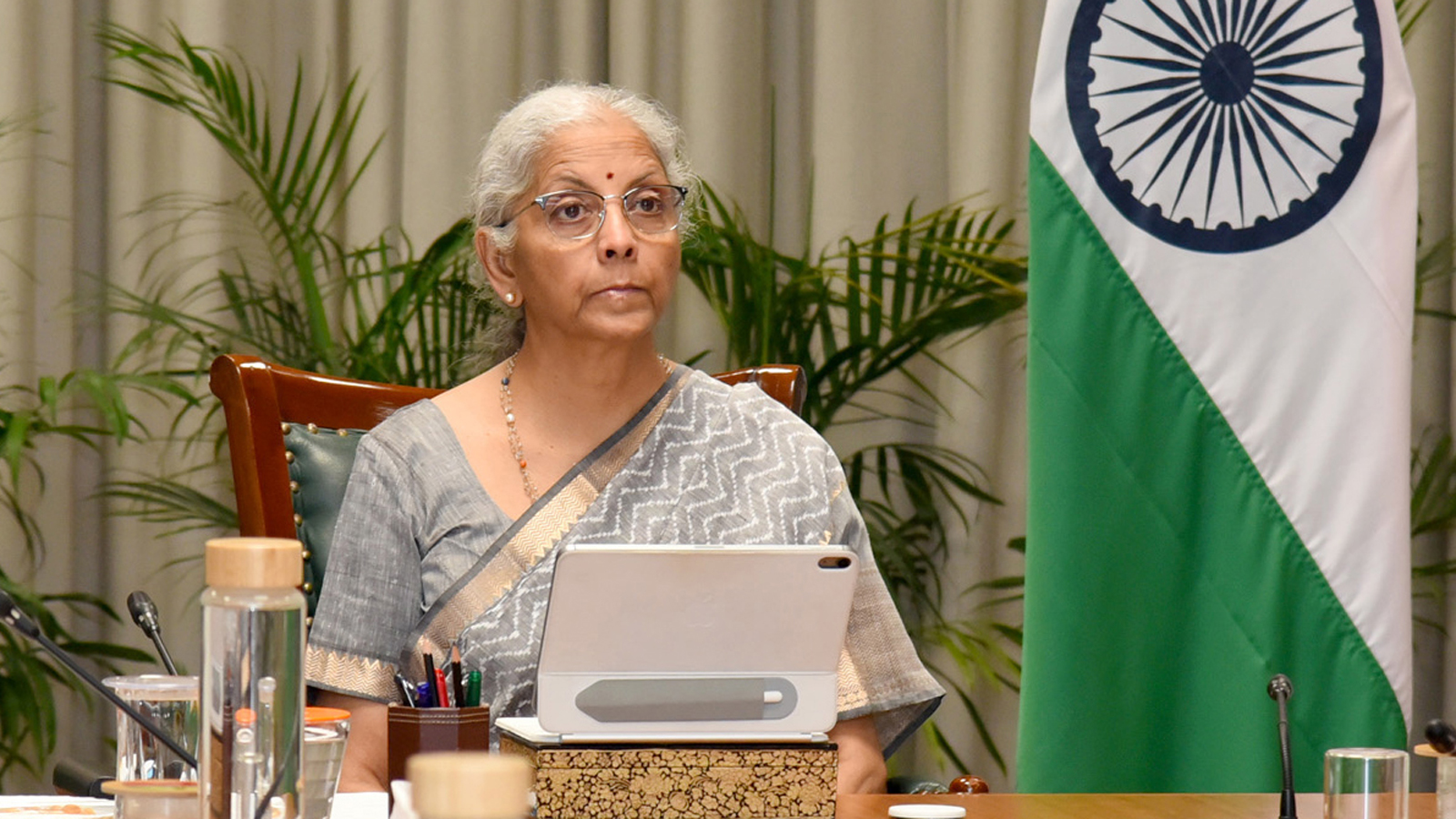
The decisions were taken at the 57th meeting of the GST Council chaired by Union Finance Minister Nirmala Sitharaman in the national capital on Thursday.
Addressing reporters after the meeting, FM Sitharaman said the Council focused on process-related reforms aimed at improving ease of doing business and reducing compliance burdens rather than making changes to GST rates.
“No rate changes have been made. The rate structure is settled,” the Finance Minister said, adding that last year’s efforts had focused on simplifying GST rates, while this year’s discussions were centred on streamlining procedures for businesses.
“GST Council scraps arrest power of tax officers; raises prosecution threshold to Rs 5 crore from 1 crore,” the Finance Minister told reporters during the press conference.
Among the key decisions, the Council approved the automatic acceptance of routine changes in GST registration, a move expected to reduce administrative delays and improve compliance efficiency.
The government will also speed up the refund process, with the acknowledgement period for refund applications being reduced to 10 days from the current 15 days.
In a major relief for taxpayers, FM Sitharaman announced that 90 per cent of eligible refund claims will be issued within three working days, a step aimed at improving liquidity for businesses and exporters.
The Council also expanded the availability of input tax credit (ITC), allowing businesses to claim credits on additional expenditure categories, including telecom towers and employer-provided insurance cover.
The 57th GST Council meeting, which was rescheduled from Wednesday due to unavoidable circumstances, was attended by representatives from the Centre and state governments.
The participants of the meeting included the Chief Ministers of Delhi, Goa, Haryana, Jammu and Kashmir, Karnataka, Kerala, Maharashtra, and Meghalaya; Deputy Chief Ministers of Manipur and Telangana; the Finance Ministers and senior members of states and UTs, besides the Secretary of the Department of Revenue, the Chairman and Members of CBIC and senior officials of the Ministry of Finance.
-IANS


