






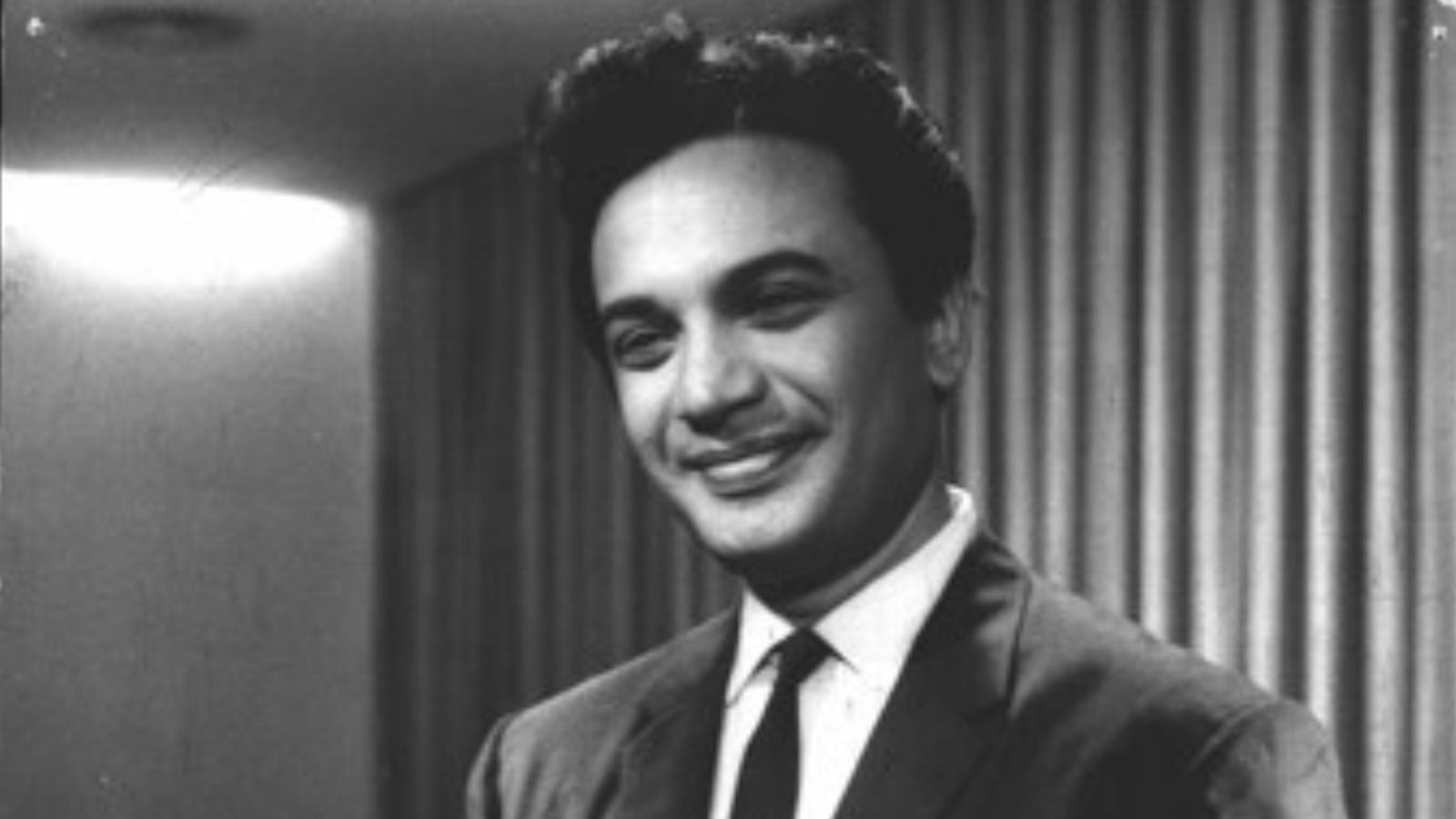
The 57th International Film Festival of India (IFFI) is honouring seven prominent personalities of Indian cinema born in 1926 through screenings of five restored films across four languages — Hindi, Bengali, Malayalam and Marathi.
The centenary tribute celebrates legendary Bengali actor Uttam Kumar, filmmaker Shakti Samanta, music composer O.P. Nayyar, Marathi actor Suryakant Mandhare, Malayalam actor Prem Nazir, Bollywood actor Raaj Kumar and composer Ravi Shankar Sharma, popularly known as Bombay Ravi.
The films have been restored by the National Film Development Corporation (NFDC) under the National Film Heritage Mission, an initiative of the Ministry of Information and Broadcasting aimed at preserving, digitising and restoring India’s cinematic heritage.
The selected films include the 1965 Bengali classic Chowringhee, featuring Uttam Kumar; Kashmir Ki Kali, directed by Shakti Samanta with music by O.P. Nayyar; Sadhi Manase, starring Suryakant Mandhare; Thulabharam, featuring Prem Nazir; and Yash Chopra’s multi-starrer Waqt, starring Raaj Kumar with music by Ravi.
Uttam Kumar, who began his acting career in 1948, appeared in more than 200 films and became one of the most celebrated stars of Bengali cinema. Shakti Samanta directed 43 feature films in Hindi and Bengali, while O.P. Nayyar became known for his distinctive musical compositions and collaborations with singers such as Mohammed Rafi, Asha Bhosle and Geeta Dutt.
Suryakant Mandhare’s career spanned five decades and more than 100 films. Prem Nazir, a major figure in Malayalam cinema, holds Guinness World Records for playing the lead in more than 700 films and appearing opposite actor Sheela in 130 films. He was awarded the Padma Bhushan in 1983.
Raaj Kumar was known for his distinctive voice and dialogue delivery, while Bombay Ravi composed music for films including Chaudhvin Ka Chand, Gumrah, Waqt and Humraaz. He received the National Film Award for Best Music Direction for Parinayam and Sukrutham.
Through the centenary screenings, IFFI aims to celebrate the artists’ contributions to Indian cinema and introduce audiences to restored classics that reflect the country’s diverse cinematic traditions. The initiative also highlights the importance of preserving India’s film heritage for future generations.
(PIB)


