






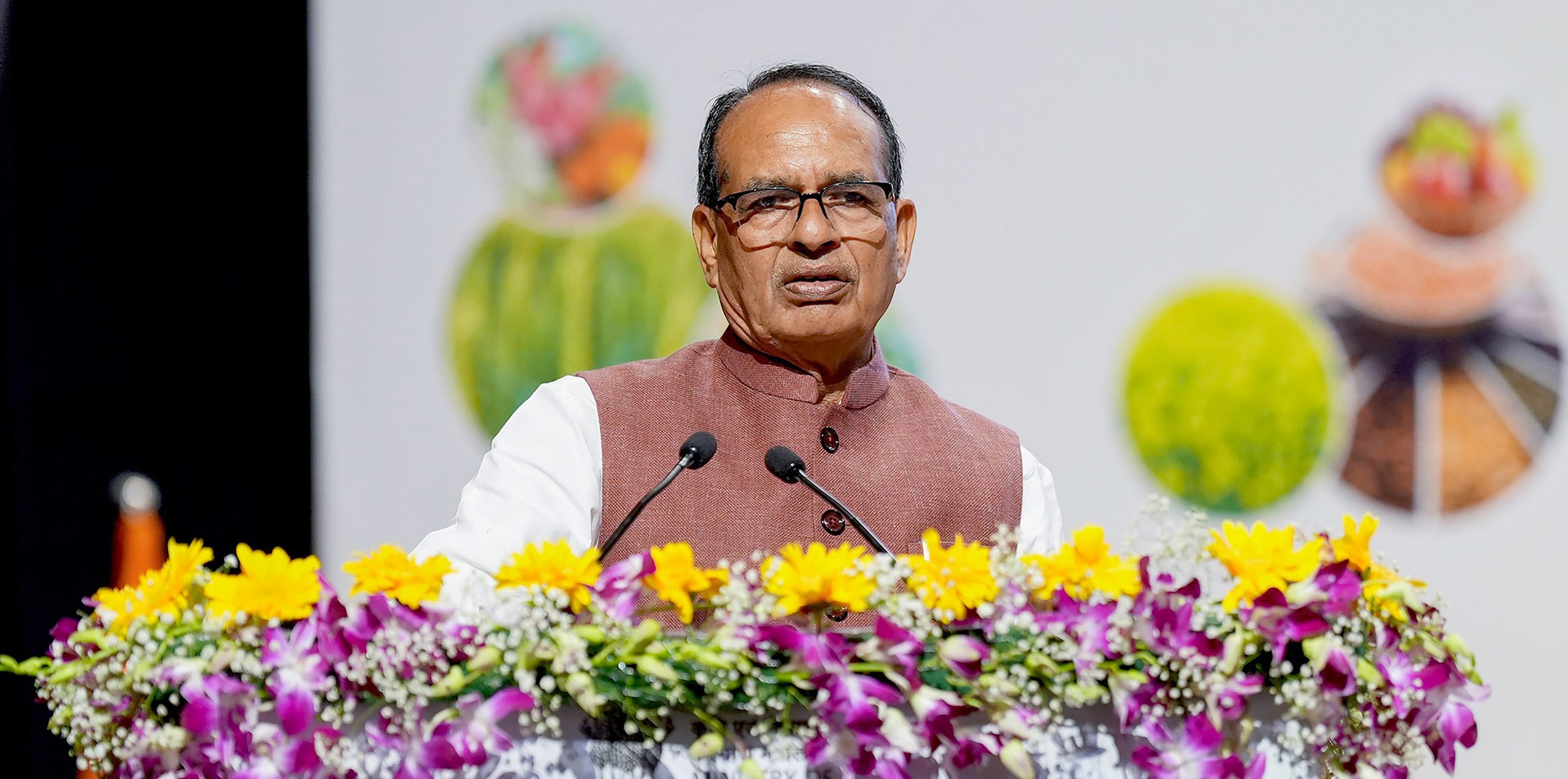
India has recorded its highest-ever foodgrain production of 378.538 million tonnes in 2025-26, marking an increase of 20.806 million tonnes over the previous agricultural year, according to the final crop production estimates released by Union Agriculture and Farmers’ Welfare Minister Shivraj Singh Chouhan on Thursday.
The minister also released the first advance estimates for the 2026-27 kharif season, projecting foodgrain production at 167.143 million tonnes, which is 9.767 million tonnes above the average kharif production recorded over the previous five years.
Addressing a press conference in New Delhi, Chouhan attributed the record agricultural output to the hard work of farmers, government initiatives and scientific advancements. He said India has secured the leading global position in the production of rice, pulses, jute, millets and spices, while ranking second in wheat and cotton production.
Record production across major crops
According to the final estimates, total foodgrain production increased from 357.732 million tonnes in 2024-25 to 378.538 million tonnes in 2025-26.
Rice production reached a record 155.154 million tonnes, compared to 150.184 million tonnes in the previous year. Wheat production also touched a new high of 122.064 million tonnes, registering an increase of 4.119 million tonnes.
Maize production rose significantly to 55.025 million tonnes from 43.409 million tonnes in 2024-25. Total pulse production increased to 27.240 million tonnes, with moong registering a record output of 4.396 million tonnes.
Oilseed production also reached an all-time high of 43.255 million tonnes. Groundnut production stood at 13.171 million tonnes, while rapeseed and mustard production reached a record 13.766 million tonnes.
Among commercial crops, sugarcane production was estimated at 503.729 million tonnes, while cotton production stood at 28.006 million bales and jute and mesta production at 94.28 lakh bales.
Kharif production resilient despite weather challenges
Releasing the first advance estimates for 2026-27, the Agriculture Minister said the kharif sowing season faced challenges due to El Niño conditions, delayed monsoon onset and rainfall deficits of 35 to 40 per cent in several regions.
Low soil moisture and drought-like conditions in Maharashtra, Karnataka, Telangana and Andhra Pradesh affected the sowing of crops, including paddy, maize, tur, soybean and cotton.
Despite these challenges, kharif foodgrain production is projected at 167.143 million tonnes, reflecting the resilience of farmers and the support provided through government schemes and climate-resilient crop varieties.
Kharif rice production is estimated at 121.905 million tonnes, while nutri-cereals and coarse cereals are projected at 38.105 million tonnes. Maize production is estimated at 26.064 million tonnes and bajra at 8.943 million tonnes.
Kharif pulse production is expected to reach 7.132 million tonnes, while oilseed production is projected at 23.947 million tonnes. Groundnut and soybean are estimated to contribute 11.168 million tonnes and 10.244 million tonnes, respectively.
Focus shifts to pulses and oilseed self-reliance
The minister said that with substantial stocks of wheat and rice available, the government’s focus is now on achieving self-reliance in pulses and edible oils through crop diversification.
He highlighted the National Pulses Mission and National Oilseeds Mission as key initiatives aimed at increasing domestic production and reducing dependence on imports.
Chouhan also noted that India’s rice exports had increased by five per cent, with Indian basmati rice gaining markets in the United States, Canada and the Middle East. He said the country’s growing agricultural production was strengthening its contribution to global food supplies.


