






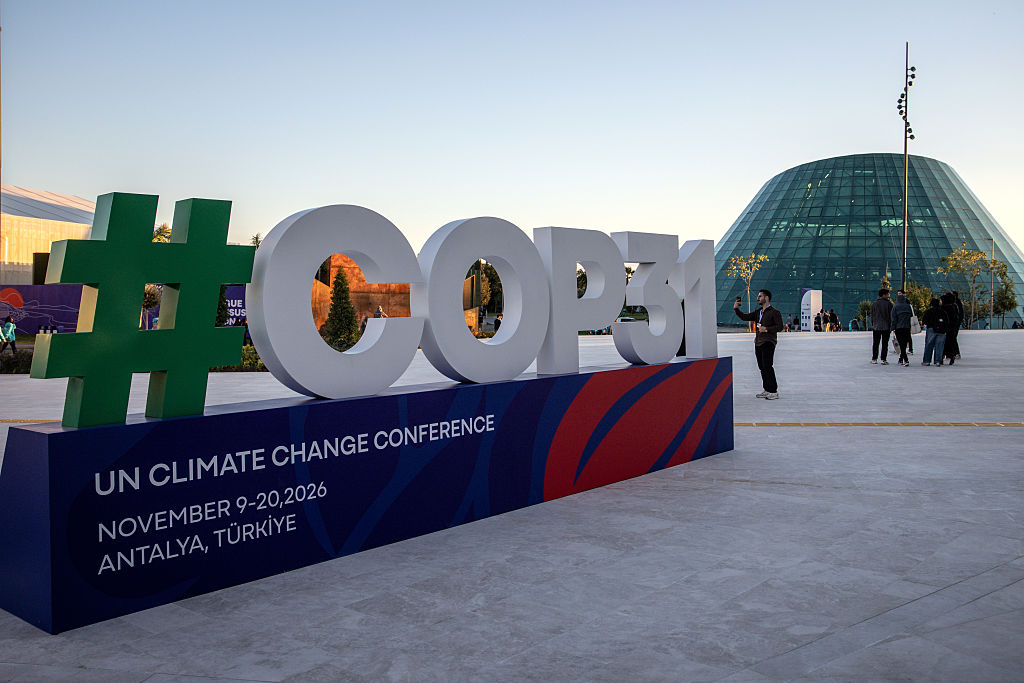
As world leaders gather for the COP31 climate summit in Turkiye, the message from the scientific community could not be more terrifying. The United Nations has now formally acknowledged for the very first time that the planet is on a definitive track to completely overshoot the vital 1.5 degree Celsius warming threshold within just a few years. The abstract warning signs of the past have transformed into an immediate global emergency.
A ground-breaking and devastating new study published by the Lancet medical journal has exposed the raw, unvarnished human toll driving this summit. According to the report, heat-related deaths claimed nearly three million lives between 2016 and 2025. The data has shocked international health authorities. It has prompted a unified call from medical experts to formally declare climate change a global health emergency.
The panic is echoed at the highest echelons of global diplomacy. At the high-stakes Pre-COP preparatory talks that recently concluded in Fiji, the U.N. Climate chief Simon Stiell issued a blunt, chilling warning to delegates. He said that extreme, unyielding heat is no longer just an environmental metric. It is a fatal new socio-economic faultline — one that’s directly putting pregnant mothers and newborn infants at an immediate risk of premature births and life-threatening complications.
For frontline island communities, this is not a theoretical debate. It’s a matter of immediate, pure survival. During the preparatory meetings, world leaders travelled to the remote, low-lying Pacific island-nation of Tuvalu. What they witnessed there was a tragedy in real-time. Rising ocean waters have already largely swamped two of the nation’s key coastal atolls. A catastrophic marine heatwave has wiped out an estimated 99.9 per cent of the local coral reefs that was naturally built and which protected the islands from the open sea.
The emotional breaking point of the summit was reached when Fiji’s Climate Change Minister, Lynda Tabuya, delivered a raw, emotionally-charged plea to the room. Minister Tabuya described how rising seas have already eaten away metres of her own village shoreline, forcing families to abandon their ancestral homes and flee to higher ground. She slammed the agonisingly-slow international funding system; it took her off-grid village more than a decade just to secure basic solar finance. Her message to the wealthy, heavy-emitting nations was clear: The world must immediately shift away from complex, high-interest loans and transition directly to immediate, unconditional grants.
A stark reminder of the lives hanging in the balance as negotiators take their seats.
Ramesh Ramachandran is a senior consulting editor with D.D. India


