






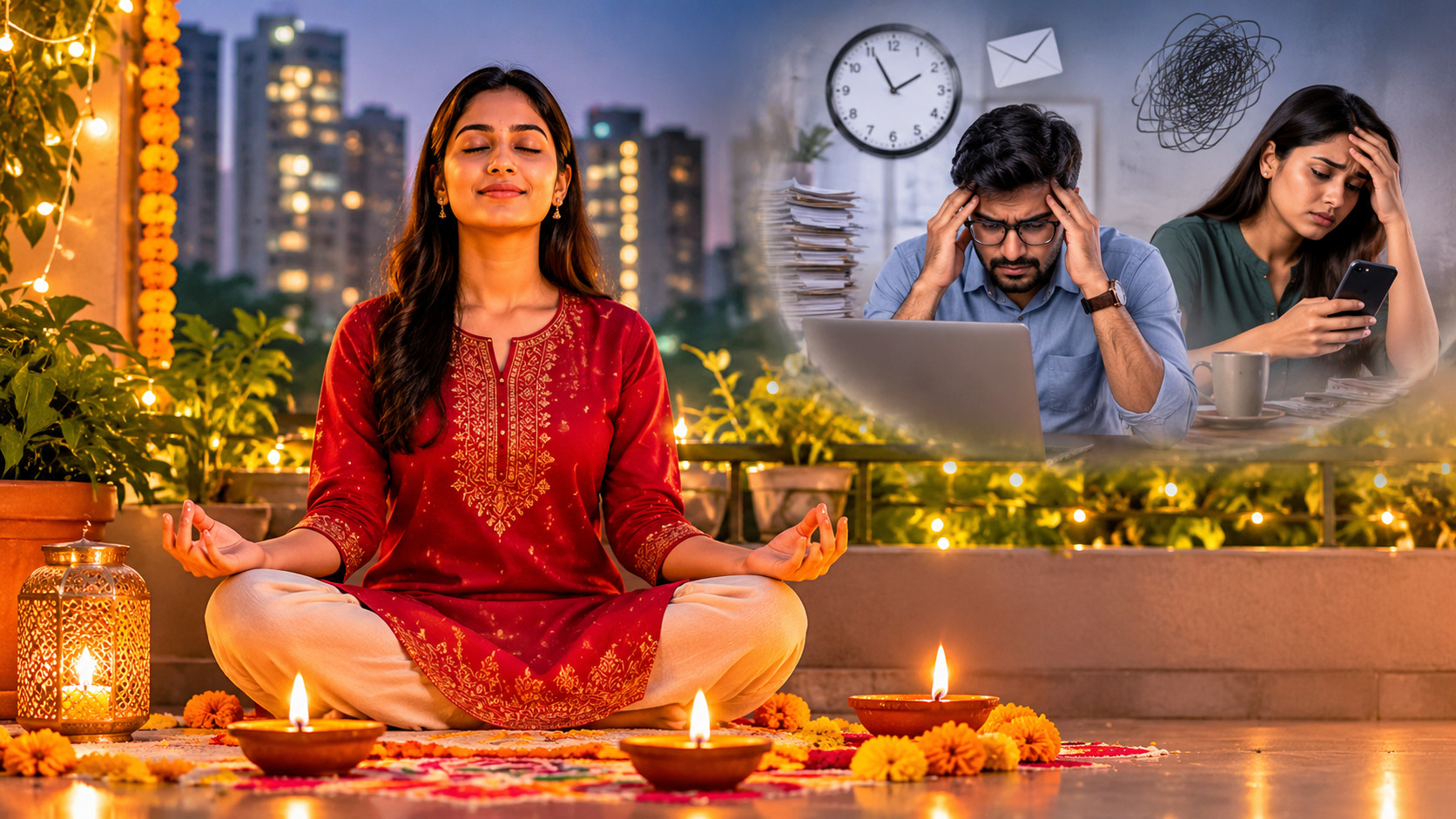
Modern life has become increasingly demanding with people constantly navigating professional responsibilities, financial pressures, digital distractions and personal commitments. The fast pace of everyday living often leaves little time for relaxation, meaningful social interactions or emotional reflection. Amid this constant rush, festivals like Diwali offer an important opportunity to pause, reconnect and restore mental well-being.
Beyond their religious and cultural significance, festivals play an important role in strengthening emotional bonds, creating a sense of belonging and bringing positivity into people’s lives. Diwali, celebrated as the festival of lights, is particularly meaningful because its central message of hope, renewal and the triumph of light over darkness resonates with the emotional challenges of modern society.
Festivals provide a break from everyday stress
One of the biggest advantages of festivals is that they provide a natural break from monotonous routines. The anticipation of celebrations, decorating homes, preparing traditional food and meeting loved ones creates positive experiences that can help reduce everyday stress.
Engaging in festive activities also allows people to shift their attention away from professional pressures and personal worries. Simple activities such as lighting diyas, decorating the house or preparing sweets with family members can create moments of relaxation and happiness. Such experiences can help people feel emotionally refreshed and return to their everyday responsibilities with renewed energy.
Strengthening relationships and reducing loneliness
In an increasingly individualistic and digitally connected world, meaningful human interaction is becoming more important than ever. Long working hours, urban lifestyles and geographical distances often limit opportunities for families and friends to spend quality time together.
Festivals provide an occasion to reconnect with relatives, friends, neighbours and communities. Family gatherings, exchanging greetings, sharing meals and visiting loved ones strengthen social relationships and create a sense of belonging.
Strong social connections are closely associated with better emotional well-being. Having people with whom one can share experiences, concerns and happiness can help reduce feelings of loneliness and isolation. For elderly people living alone and individuals staying away from their families, festive interactions can be particularly meaningful.
Creating hope, positivity and emotional renewal
The symbolism of Diwali carries a powerful psychological message. The lighting of diyas represents the movement from darkness towards light, while the festival’s broader cultural traditions emphasise hope, knowledge, prosperity and new beginnings.
These ideas can encourage people to reflect on their lives, let go of negative experiences and approach the future with optimism. Festivals also offer an opportunity to practise gratitude by appreciating relationships, achievements and the simple comforts of everyday life. A positive outlook does not eliminate life’s difficulties, but it can help individuals develop a healthier perspective towards challenges.
Encouraging mindfulness and cultural connections
Many festive traditions involve activities that encourage people to slow down and become more involved in the present moment. Decorating homes, making rangoli, performing prayers, preparing traditional dishes and lighting lamps can become mindful experiences when performed without rushing.
These activities allow individuals to temporarily disconnect from the constant notifications and demands of digital life. They also strengthen connections with cultural traditions, family histories and shared community experiences. For younger generations, participating in these customs can create a sense of identity and continuity, while helping them appreciate the values of compassion, generosity and togetherness.
Promoting kindness and a sense of purpose
Festivals also remind people that happiness is not limited to personal achievements or material possessions. Sharing food, helping disadvantaged families, visiting those who are lonely and extending support to people in need can create a sense of purpose and emotional satisfaction. Acts of kindness strengthen community relationships and encourage empathy. Such gestures reinforce the understanding that collective happiness is an important part of individual well-being.
Finding balance in celebrations
While festivals can contribute positively to mental health, excessive spending, social obligations, noise and unrealistic expectations can sometimes create additional stress. The pressure to organise perfect celebrations or match the lifestyles displayed on social media can take away from the actual joy of the occasion. Celebrating within one’s means, prioritising meaningful relationships and allowing time for rest can help preserve the positive spirit of festivals.
Ultimately, festivals like Diwali offer more than a temporary escape from the pressures of modern life. They remind people of the importance of human connections, gratitude, cultural belonging and emotional balance. In a world that constantly encourages people to move faster, achieve more and acquire more, festivals provide a valuable opportunity to slow down and rediscover what truly matters.
The light of Diwali, therefore, can illuminate not just homes and streets but also minds and relationships, reminding us that a healthy and happy life is built as much on inner peace and togetherness as it is on external success.


