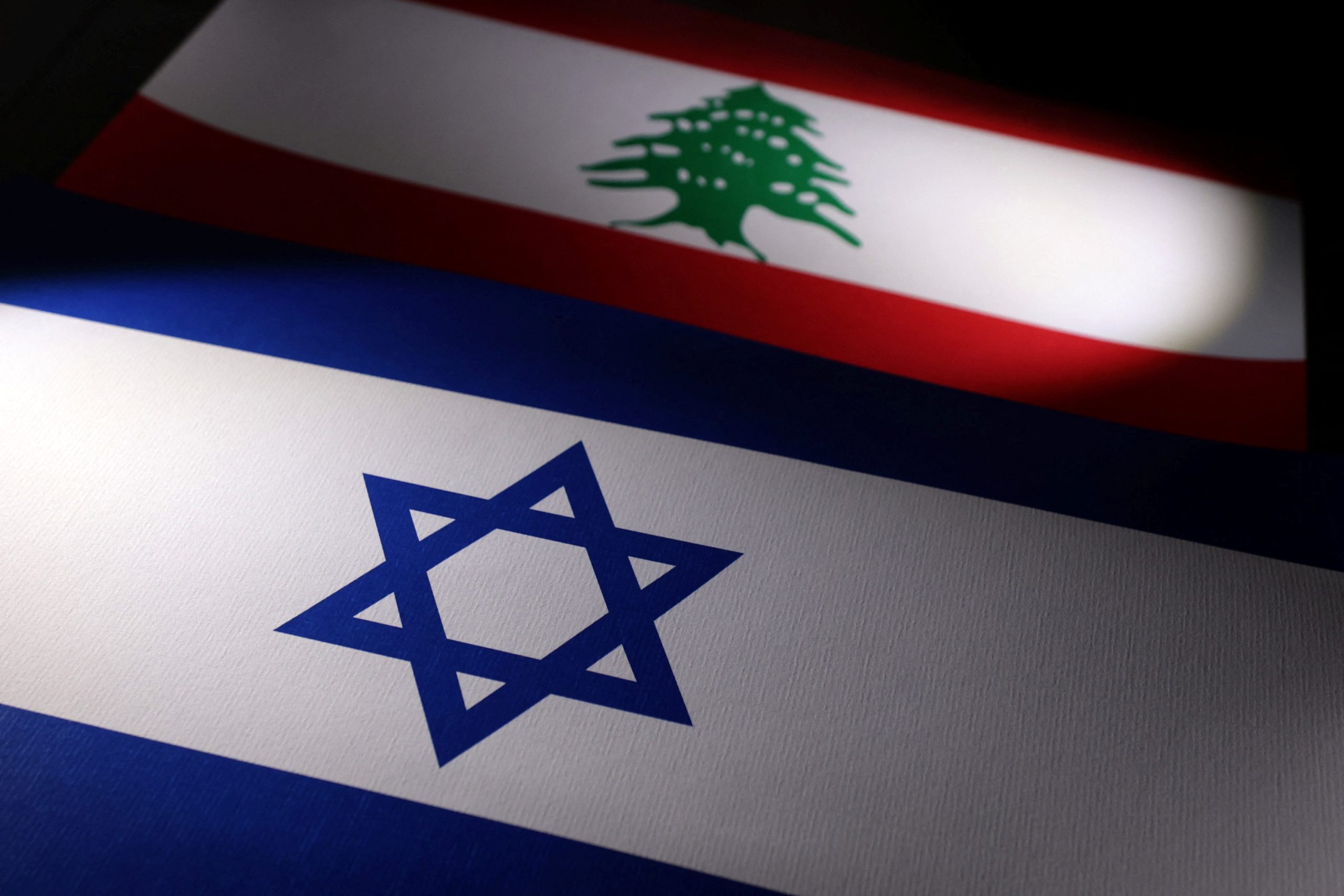
Lebanon and Israel held their first direct talks involving civilian representatives in decades on Wednesday, December 3, 2025, as part of a U.S.-chaired ceasefire monitoring committee meeting. However, Lebanese officials emphasized that these were not peace negotiations and did not signal a path to normalization of relations.
The meeting took place at the headquarters of the UN peacekeeping force UNIFIL in Naqoura, Lebanon, near the border with Israel along the Blue Line. The session was part of the existing mechanism to oversee the November 2024 ceasefire between Israel and Hezbollah.
For the first time, both nations sent civilian envoys in addition to military officers. Lebanon was represented by Simon Karam, a lawyer and former ambassador to the U.S., while Israel sent Uri Resnick, an official from the National Security Council. Morgan Ortagus, the U.S. Special Envoy for Lebanon, attended as mediator. The committee met for approximately three hours.
Despite the historic nature of the direct contact, the two sides held different views on the scope and purpose of the discussions. Israel and Lebanon do not have formal diplomatic relations and are technically still at war since 1948. Lebanese Prime Minister Nawaf Salam explicitly stated that Lebanon remains committed to the 2002 Arab Peace Initiative, which ties normalization to a full Israeli withdrawal from occupied Arab territories.
Israel’s Prime Minister Benjamin Netanyahu’s office framed the meeting as a historic development and an initial attempt to build a basis of relations and economic cooperation between the countries. Israel has repeatedly urged Lebanon to join the Abraham Accords, which normalize ties with Israel. The United States has pressured both sides to broaden the scope of the committee beyond just overseeing the ceasefire, hoping to stabilize the region and secure a durable end to hostilities.
The talks took place amid rising tensions and a fragile security situation. The November 2024 ceasefire was intended to end over a year of hostilities between Israel and the Iran-backed Hezbollah group that erupted after the October 7, 2023 attacks on Israel. Israel has repeatedly carried out airstrikes in Lebanon since the truce, claiming to target Hezbollah members and facilities, a violation of the ceasefire provisions.
A major point of contention is the U.S. and Israeli demand that the Lebanese military disarm Hezbollah in the south. Hezbollah has rejected calls for disarmament, arguing its arsenal is necessary for defense until Israel fully withdraws.
Recent deadly Israeli air strikes and the assassination of a top Hezbollah commander in Beirut have heightened fears of a significant escalation of the conflict despite diplomatic efforts.