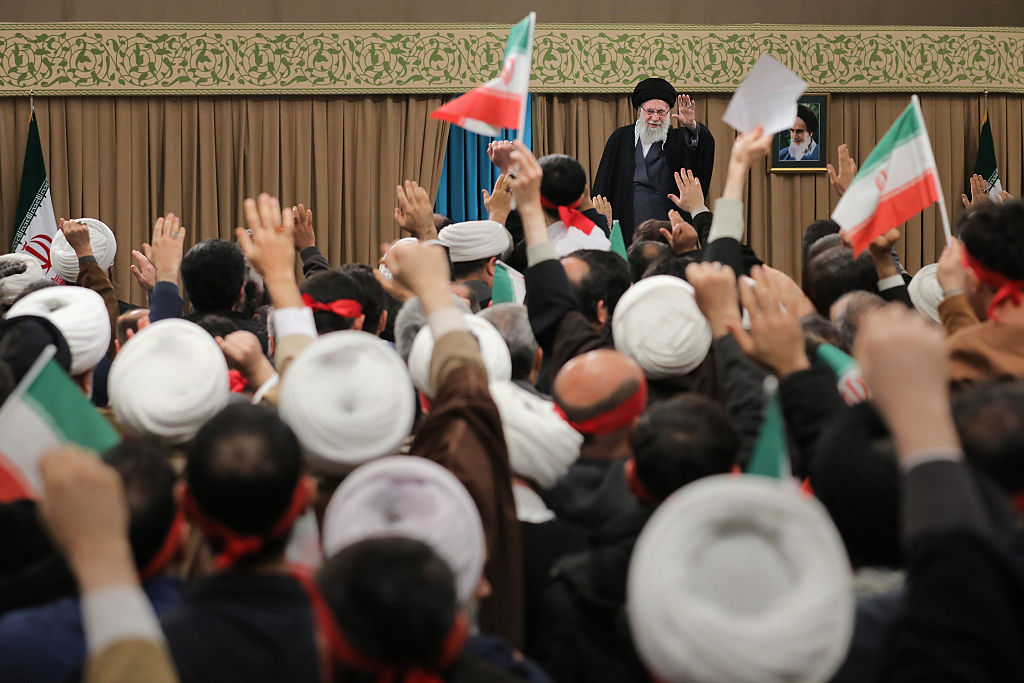
Iran’s supreme leader Ayatollah Ali Khamenei called for unity in the face of what he termed “terrorist actions” as mass protests continued across the country on Friday. In an address broadcast on Iranian state television, Khamenei warned against the demonstrations, which authorities have framed as a plot by foreign enemies, primarily the United States, and reiterated threats that security forces would crack down on the unrest. The government signaled it would take harsh measures against protesters, directly challenging US President Donald Trump’s pledge to support those peacefully demonstrating, as the death toll rises to 50.
NetBlocks, an internet watchdog, reported that its data showed Iranian authorities had imposed a nationwide internet blackout and other forms of strict digital censorship amid the turmoil, with the country remaining mostly offline 18 hours after the blackout began. The communications shutdown has made it difficult to draw definitive conclusions about the scale and severity of the demonstrations and the government’s response. At least six flights scheduled for Friday between Dubai and several Iranian cities were cancelled, according to data published by Dubai Airports, reflecting the growing disruption caused by the unrest.
A notable development in the latest protests has been the chant “Pahlavi will return,” a reference to Reza Pahlavi, the son of the late shah of Iran who was overthrown in 1979. Pahlavi, now living in exile, had called for people to turn out on the streets on Thursday night, with another call for demonstrations at 8 pm Tehran time on Friday. The protests of recent days have seen increasing chants for the return of the monarchy, marking a shift in the nature of anti-government sentiment in the country. Tehran remains on edge as the time for the exiled prince’s latest call to action approaches, with security forces positioned throughout the capital in anticipation of renewed demonstrations.
The current wave of protests, which began on December 28, represents the latest challenge to Iran’s clerical establishment, which has faced periodic demonstrations over economic hardship, government corruption, and social restrictions since the 1979 Islamic Revolution. While the immediate triggers for these protests vary, they occur against a backdrop of economic struggles, including high inflation, unemployment, and international sanctions that have squeezed ordinary Iranians. The country has seen several major protest movements in recent years, including demonstrations in 2019 over fuel price increases and in 2022 following the death of Mahsa Amini in police custody, both of which were met with violent crackdowns by security forces.