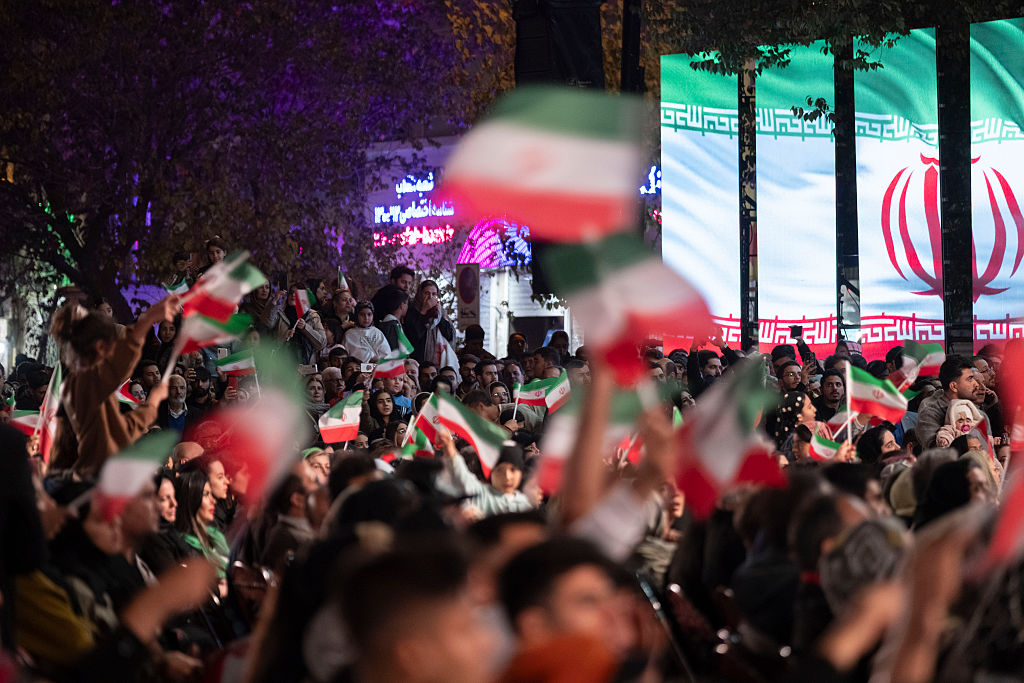
Protests in Iran have entered their second week, spreading across Tehran, Ilam, Fasa and several other cities, as anger over economic hardship and political repression continues to build. Human rights monitors estimate that between 29 and 36 protesters have been killed so far, while more than 1,200 people have been detained. Demonstrators have targeted government buildings and symbols of authority, with some streets informally renamed “Trump Street” as an act of defiance.
In an attempt to calm public anger, the government on Wednesday began paying the equivalent of about seven dollars a month in subsidies to households to offset rising prices of staple food items such as rice, meat and pasta. Shopkeepers, however, warned that prices of essentials including cooking oil could triple following the sharp fall of the rial and the removal of a preferential exchange rate for importers and manufacturers, a move that could further inflame public sentiment.
Tensions escalated further after Iran’s army chief, Major General Amir Hatami, warned of possible preemptive military action over what he described as hostile rhetoric directed at the Islamic Republic. The remarks appeared to refer to a warning by US President Donald Trump that if Tehran “violently kills peaceful protesters,” the United States “will come to their rescue.”
Iran has witnessed repeated nationwide protests in recent years. Following tighter sanctions and economic strain after the June war with Israel, the rial fell sharply in December. The latest wave of demonstrations began on December 28 and reached its eleventh day on Wednesday, with no signs of abating.