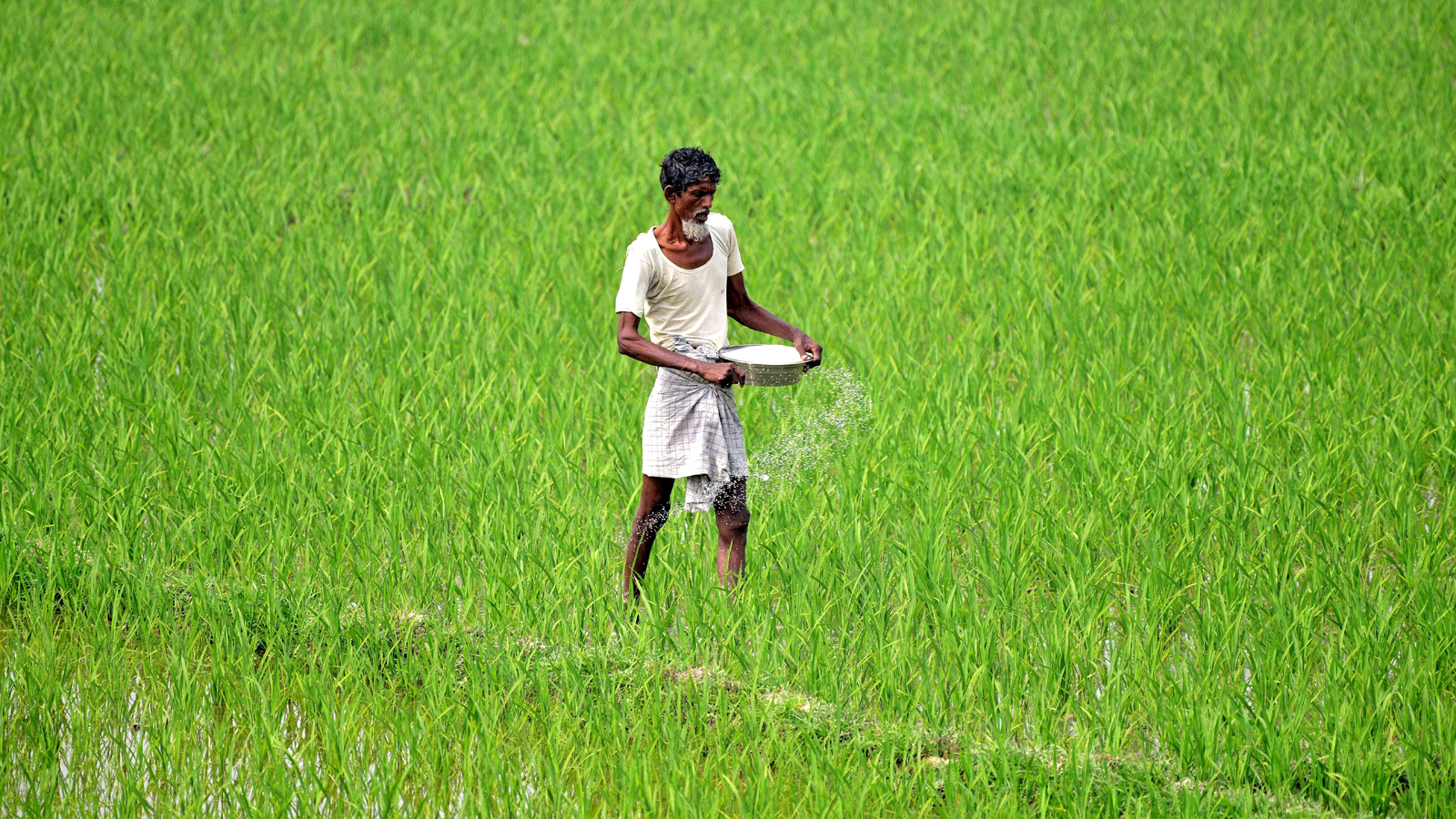
India has achieved a major milestone in fertilizer self-reliance, with domestic production of phosphatic and potassic (P&K) fertilizers touching a record 15.76 lakh metric tonnes (LMT) in January 2026, the highest monthly output ever recorded, according to the Department of Fertilizers.
The production surge includes key fertilizers such as Di-Ammonium Phosphate (DAP) and NPKs, and reflects the impact of sustained policy reforms and targeted government support aimed at strengthening domestic manufacturing capacity.
The Ministry of Chemicals and Fertilizers attributed the achievement to a combination of industry-friendly policy measures, capacity expansion in both public and private sector units, and strategic interventions to stabilise raw material supply. The Department of Fertilizers said the government’s focus on structural reforms and investment incentives has enabled manufacturers to operate at optimal capacity.
To safeguard domestic production against global supply disruptions and price volatility, the government has also entered into long-term supply agreements with resource-rich countries. These international partnerships have ensured steady availability of critical raw materials, allowing Indian fertilizer plants to maintain uninterrupted operations.
Another key driver of the record output has been the effective implementation of the Nutrient Based Subsidy (NBS) policy. Timely disbursal of subsidies has provided financial certainty to fertilizer manufacturers, helping them manage input costs and plan production more efficiently. Officials said this has encouraged companies to expand existing facilities and invest in new manufacturing units.
The Ministry said that the record production is expected to strengthen fertilizer availability during the peak agricultural season, supporting farmers and enhancing food security. It also marks a significant step in India’s broader push towards Aatmanirbharta in the fertilizer sector by reducing dependence on imports and improving supply chain resilience.