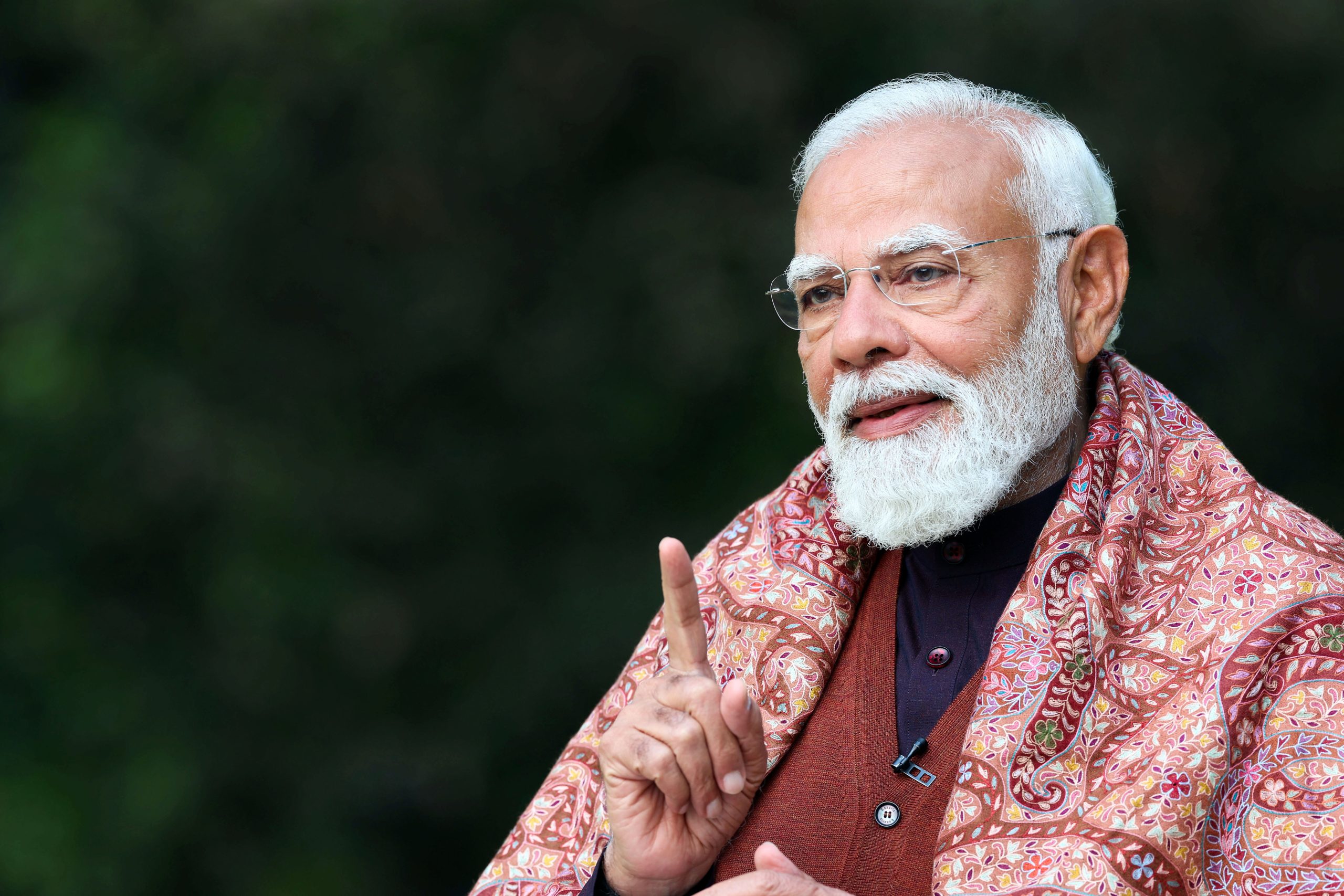
Prime Minister Narendra Modi on Saturday welcomed the India–US interim trade framework, calling it “great news” for both countries, as the agreement is set to reduce US tariffs on Indian goods to 18 per cent.
In a post on X, the Prime Minister said India and the United States had agreed on a framework for an interim trade agreement and thanked Donald Trump for his personal commitment to strengthening bilateral ties.
The Prime Minister said the framework reflects the growing depth, trust and dynamism of the India–US partnership and will strengthen the ‘Make in India’ initiative by opening new opportunities for farmers, entrepreneurs, MSMEs, startups, fishermen and innovators. He added that the agreement is expected to generate large-scale employment, particularly for women and youth.
PM Modi further said that India and the United States share a strong commitment to promoting innovation, and the framework will deepen investment and technology partnerships. He noted that it would also help build resilient and trusted supply chains and contribute to global growth as India moves towards the goal of a ‘Viksit Bharat’.
Earlier, Union Commerce and Industry Minister Piyush Goyal said the interim trade framework would help India and the US remain focused on deepening economic cooperation, reflecting their shared commitment to sustainable growth for businesses and people of both countries.
The minister said the agreement would open access to the $30 trillion US market for Indian exporters, particularly MSMEs, farmers and fishermen, and would lead to the creation of lakhs of new job opportunities.
Under the framework, the US will reduce reciprocal tariffs on Indian goods to 18 per cent, creating new opportunities in key sectors such as textiles and apparel, leather and footwear, plastic and rubber products, organic chemicals, home décor, artisanal goods and select machinery.
Goyal said tariffs will also be reduced to zero on several products, including generic pharmaceuticals, gems and diamonds, and aircraft parts, enhancing India’s export competitiveness and supporting the ‘Make in India’ programme.
India will receive exemptions under Section 232 on aircraft parts, a tariff rate quota on auto parts, and negotiated outcomes on generic pharmaceuticals, leading to tangible export gains in these sectors.
At the same time, the minister said India’s interests in agriculture and rural livelihoods have been fully safeguarded. Sensitive agricultural and dairy products such as maize, wheat, rice, soya, poultry, milk, cheese, ethanol, tobacco, vegetables and meat have been completely protected under the framework.
— IANS