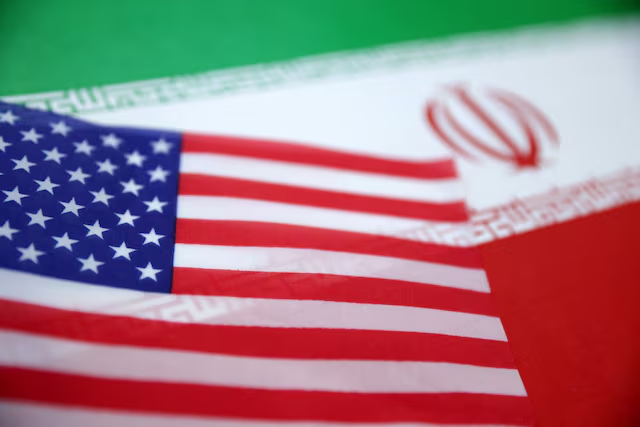
Iran is weighing the terms for resuming talks with the United States, a foreign ministry official said on Monday, after both sides signalled readiness to revive diplomacy over a long-running nuclear dispute amid fears of wider regional conflict.
Tensions remain high following a U.S. naval buildup near Iran after a violent crackdown on anti-government protests last month, described as the deadliest domestic unrest since the 1979 revolution. U.S. President Donald Trump, who stopped short of intervening during the crackdown, has since demanded nuclear concessions from Tehran and ordered a naval flotilla to Iran’s coast. Trump said last week Iran was seriously talking, while Iran’s top security official Ali Larijani said on X that arrangements for negotiations were under way.
Iranian sources said Washington had set three conditions for resuming talks: zero uranium enrichment in Iran, limits on Tehran’s ballistic missile programme and an end to its support for regional proxies. Iran has rejected the demands as infringements on its sovereignty, though officials said the missile programme posed the greater hurdle. Foreign ministry spokesperson Esmaeil Baghaei said Tehran was reviewing ‘the various dimensions and aspects of the talks’, adding that “time is of the essence for Iran as it wants lifting of unjust sanctions sooner.”
A senior Iranian official and a Western diplomat said U.S. special envoy Steve Witkoff and Iranian foreign minister Abbas Araghchi could meet in Turkey in the coming days. A Turkish ruling party official said both sides agreed the talks would focus on diplomacy. An Iranian official said Tehran was ready to show flexibility on uranium enrichment, including handing over 400 kilograms of highly enriched uranium and accepting zero enrichment under a consortium arrangement, but wanted U.S. military assets moved away before talks resume. “Now the ball is in Trump’s court,” he said. Talks have stalled since May 2023 over enrichment and Iran’s uranium stockpile. Tehran says enrichment has stopped since U.S. strikes in June, while the U.N. nuclear watchdog has sought clarification on the fate of the stockpile.