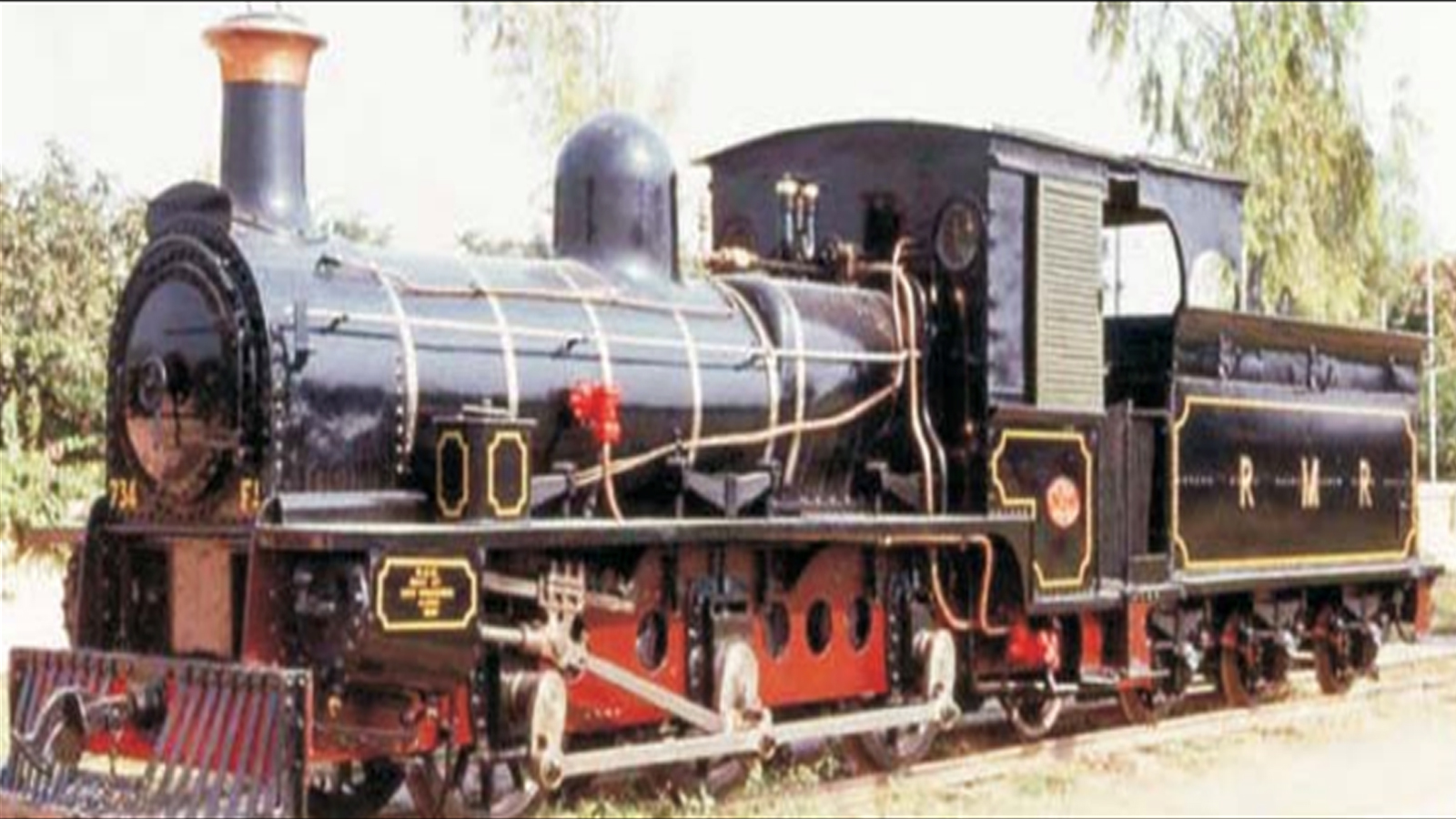
From the whistle of steam engines in the 19th century to the hum of high-speed, electrified trains today, Indian Railways has undergone a remarkable transformation, emerging as one of the world’s largest and most dynamic transport networks.
As India marks over 170 years since its first passenger train journey, the railways stand not just as a mode of transport, but as a symbol of national growth, connectivity, and technological progress.
A Historic Beginning
The journey of Indian Railways began on April 16, 1853, when the first passenger train ran between Bombay (now Mumbai) and Thane. Carrying around 400 passengers across a distance of 34 kilometres, the train – hauled by a steam locomotive – marked the beginning of a new era in India’s transportation history.
What started as a modest experiment soon expanded rapidly, connecting cities, towns, and rural areas, and playing a crucial role in shaping India’s economic and social fabric.
Expansion in the Steam Era
Following its inception, the railway network grew swiftly during the steam locomotive era. By 1880, the network had expanded to nearly 14,500 kilometres, supported by innovations in engineering and the adoption of multiple track gauges suited to diverse terrains.
Landmark developments such as the Darjeeling Himalayan Railway in 1881 showcased engineering excellence in difficult terrains, while the production of the first indigenous steam locomotive in 1895 marked a significant step towards self-reliance.
Transition to Modern Rail Systems
The 20th century saw Indian Railways transition from steam to diesel and electric traction. The first electric train ran in 1925 between Bombay Victoria Terminus and Kurla, setting the stage for modernization.
Post-independence, the railway system underwent major restructuring. In 1952, it was reorganized into zones for better management, and by 1985, steam locomotives were phased out, giving way to more efficient diesel and electric engines.
The Modern Era: Electrification and Innovation
In recent years, Indian Railways has entered a phase of rapid modernization, focusing on electrification, speed, safety, and passenger comfort.
As of March 2026, 99.6% of the broad gauge network has been electrified – one of the highest levels globally. This transition has significantly reduced diesel consumption, saving approximately 180 crore litres of fuel annually and cutting costs by nearly ₹6,000 crore.
The network now operates around 25,000 trains daily, serving millions of passengers across the country.
Record Growth in Passenger and Freight Movement
Indian Railways continues to play a critical role in India’s economy. In 2025-26, it transported approximately 741 crore passengers, reflecting its massive scale and reach.
Freight operations also touched new heights, with 1,670 million tonnes of goods transported, reinforcing railways as the backbone of India’s logistics system. Total revenue during the same period stood at around ₹80,000 crore.
Rise of Modern Trains
A key highlight of the modernization drive has been the introduction of next-generation trains.
The Vande Bharat Express, India’s first indigenously developed semi-high-speed train, has revolutionized passenger travel with enhanced speed, comfort, and technology. In 2025-26 alone, nearly 4 crore passengers travelled on these trains.
Additionally, the Amrit Bharat Express has been introduced to provide affordable yet modern travel options for low- and middle-income passengers, with 60 services currently operational.
High-Speed Rail: The Next Frontier
India is now stepping into the era of high-speed rail. The Mumbai-Ahmedabad High-Speed Rail corridor, designed for speeds up to 320 kmph, marks a significant leap towards faster intercity connectivity.
The government has also proposed seven high-speed corridors spanning nearly 4,000 kilometres, aimed at boosting economic integration and regional development.
Focus on Safety and Digital Transformation
Safety and digital innovation are at the core of Indian Railways’ future strategy.
The indigenous Kavach system, designed to prevent train collisions, has already been deployed over 3,100 route kilometres, with expansion underway.
Other advancements include AI-enabled surveillance at stations, real-time passenger information systems, and a robust telecom backbone powered by IP-based technologies. The launch of the RailOne app has further streamlined passenger services, offering a unified digital platform for ticketing and enquiries.
Strengthening Infrastructure and Manufacturing
Infrastructure upgrades have also been significant, with over 54,600 kilometres of track renewed since 2014 and more than 80% of the network now capable of supporting speeds above 110 kmph.
Under the ‘Make in India’ initiative, Indian Railways produced 1,674 locomotives in 2025-26, highlighting growing domestic manufacturing capabilities.
A Journey That Continues
From its humble beginnings in 1853 to becoming a technologically advanced, electrified network, Indian Railways has continually evolved to meet the needs of a growing nation.
Today, it stands as a vital engine of economic growth, seamlessly connecting people, markets, and opportunities. As India moves towards a future of high-speed mobility and digital integration, the railways remain at the heart of its development story – bridging the past with the promise of tomorrow.