







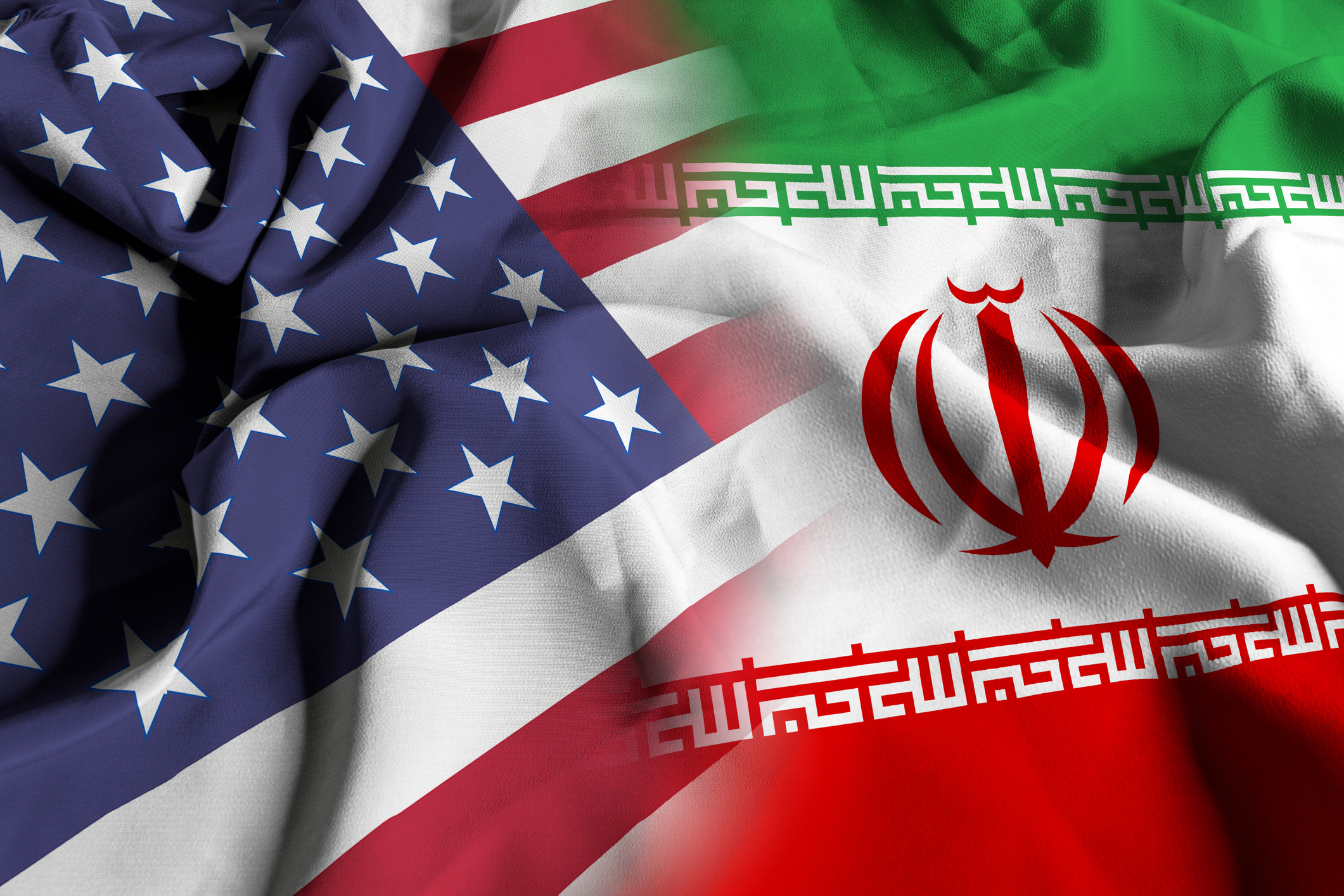
Diplomatic efforts to stabilise the situation in West Asia are showing limited progress, with fresh political and military signals emerging across multiple fronts. Iran’s Foreign Minister Abbas Araghchi has arrived in Russia for talks with senior officials, including President Vladimir Putin, blaming what he called the “excessive demands of the United States” for the collapse of recent negotiations. At the same time, US President Donald Trump indicated that communication channels remain open, saying Iranian leaders “can come to us, or they can call us” if they wish to resume dialogue.
The US Central Command says its forces remain focused and ready across the region as negotiations to end the conflict remain stalled. Adding to tensions, Iran is considering a draft law that would place its armed forces in control of the Strait of Hormuz, a strategic global shipping route, with provisions targeting hostile vessels. Meanwhile, oil prices have edged higher amid uncertainty, even as global markets remain broadly steady ahead of key economic decisions this week.
Diplomatic efforts between the United States and Iran remain stalled, with both sides continuing indirect engagement through mediators but showing little sign of a breakthrough. Iran has pushed for a phased approach to de-escalation, while the United States insists that any agreement must address Tehran’s nuclear programme upfront. Despite the setback, backchannel diplomacy is ongoing, with officials indicating that remote discussions continue and further proposals may be explored.
The deadlock has added to global uncertainty, with oil prices rising amid concerns over supply disruptions linked to tensions around the Strait of Hormuz. Briefly, the situation in Lebanon remains tense, where a fragile ceasefire is under strain due to continued exchanges between Israeli forces and Hezbollah, alongside deep political divisions within the country.
Separately, Bahrain has revoked the citizenship of 69 individuals convicted of links with foreign entities and of glorifying Iranian attacks, describing the move as part of a broader security crackdown. The developments reflect widening regional fault lines, even as diplomatic channels remain active but fragile.


