







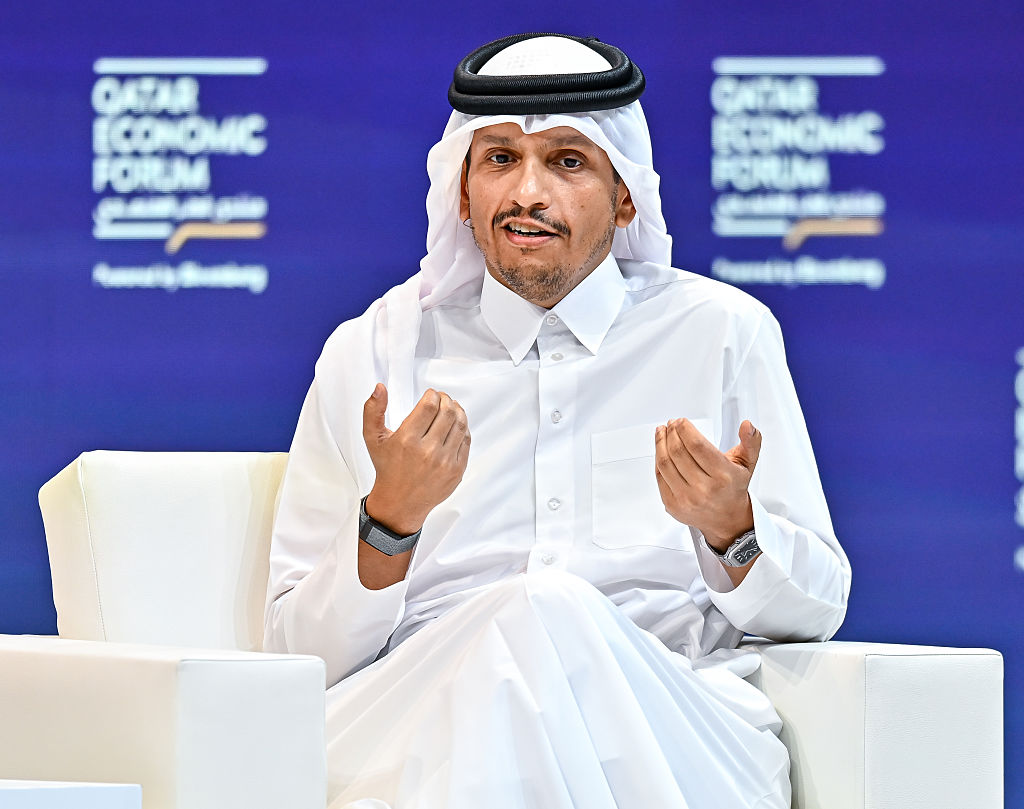
A Qatari negotiating team has arrived in Tehran in coordination with the United States, in a fresh diplomatic push to end the war between Washington and Iran. The move marks a significant shift for Doha, which had until now kept its distance from mediating in the conflict after Iran attacked Qatar with missiles and drones during the fighting. Qatar had previously played a key mediation role in the Gaza war and other international disputes.
US Secretary of State Marco Rubio, speaking after a NATO foreign ministers meeting in Helsingborg, Sweden, acknowledged there had been some slight progress in indirect talks with Iran but was careful not to exaggerate the scale of the movement. Core disputes remain unresolved, particularly over Iran’s enriched uranium stockpile and its push to impose a tolling system on the Strait of Hormuz – something Rubio called flatly unacceptable. He said Washington is pursuing a UN Security Council resolution to block any such arrangement.
US Secretary of State Marco Rubio said the international community should not accept Iranian control of the Strait of Hormuz and called for allies to help keep the waterway open; Germany said it was considering participation in a security mission, and the EU expanded sanctions targeting threats to navigation. From the UAE, presidential adviser Anwar Gargash put the odds of a deal at no better than fifty-fifty, warning that Iran had “over-negotiated.” He urged all parties to pursue a sustainable political solution that addresses the underlying causes of hostility rather than simply pausing the fighting. From the UAE, presidential adviser Anwar Gargash put the odds of a deal at no better than fifty-fifty, warning that Iran had “over-negotiated.” He urged all parties to pursue a sustainable political solution that addresses the underlying causes of hostility rather than simply pausing the fighting.
Diplomatic pressure is building on multiple fronts. Saudi media reported a final draft agreement could be announced within hours, though a separate report in the Israeli newspaper Haaretz suggested any near-term deal would sidestep the nuclear issue entirely – pointing to deep structural limits in the talks.


