







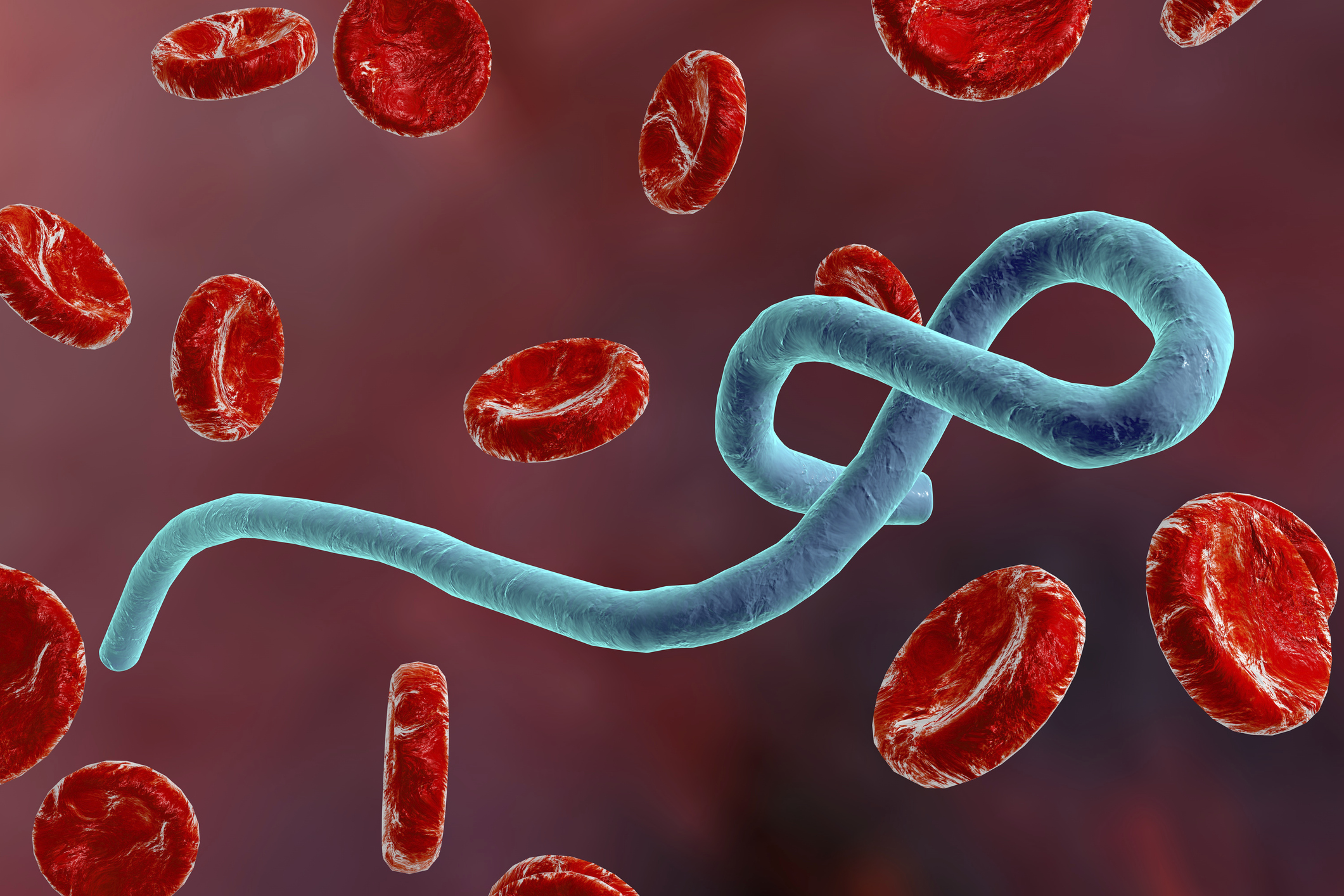
Russia has announced that its scientists have developed a vaccine against a new strain of the Ebola virus linked to the ongoing outbreak in the Democratic Republic of Congo (DRC).
The Russian Embassy in South Africa, in a post on social media platform X on Tuesday, said, “Russian scientists have developed a vaccine against a new Ebola strain, Health Minister Mikhail Murashko announced. According to Russian scientists, the vaccine may also protect against the rare Bundibugyo strain linked to the outbreak in the DRC.”
The announcement comes amid growing concern over the rapidly spreading Ebola outbreak in the DRC. On May 25, the World Health Organization (WHO) said the outbreak had caused at least 220 suspected deaths, as health officials continue to struggle to contain the epidemic.
Although 101 confirmed cases and 10 confirmed deaths have been officially recorded, WHO Director-General Dr. Tedros Adhanom Ghebreyesus said the actual scale of the outbreak is likely much larger.
“There are now more than 900 suspected cases and 220 suspected deaths,” Tedros said during a virtual ministerial briefing on the Bundibugyo Ebola outbreak on Monday.
The outbreak, which was declared a Public Health Emergency of International Concern on May 17, has also spread to neighbouring Uganda, where five confirmed cases and one death have been reported.
On Tuesday, DRC Health Minister Roger Kamba said the Ebola outbreak remains in its early stages, but infections and fatalities continue to rise.
Speaking at a press conference, Kamba said health authorities had identified nearly 1,000 suspected cases in affected regions, of which 101 had tested positive.
The current outbreak is being caused by the Bundibugyo strain of Ebola, which Kamba described as less lethal than the Zaire strain but still dangerous if infections continue to increase. At present, there is no approved vaccine or specific treatment for Bundibugyo Ebola.
According to the WHO, Ebola is a severe and often fatal disease that affects humans and other primates.
The virus is initially transmitted to humans through contact with infected wild animals such as fruit bats, porcupines and non-human primates. It subsequently spreads between humans through direct contact with the blood, bodily fluids, secretions or organs of infected individuals, as well as through contaminated surfaces and materials such as bedding and clothing.
The average fatality rate for Ebola is around 50 per cent, although previous outbreaks have recorded fatality rates ranging from 25 per cent to 90 per cent.
The first Ebola outbreaks were reported in remote villages in Central Africa near tropical rainforests.
The 2014–2016 Ebola outbreak in West Africa remains the largest and most complex since the virus was first identified in 1976. The epidemic, which began in Guinea before spreading to Sierra Leone and Liberia, caused more deaths and infections than all previous Ebola outbreaks combined.
(With IANS inputs)


