







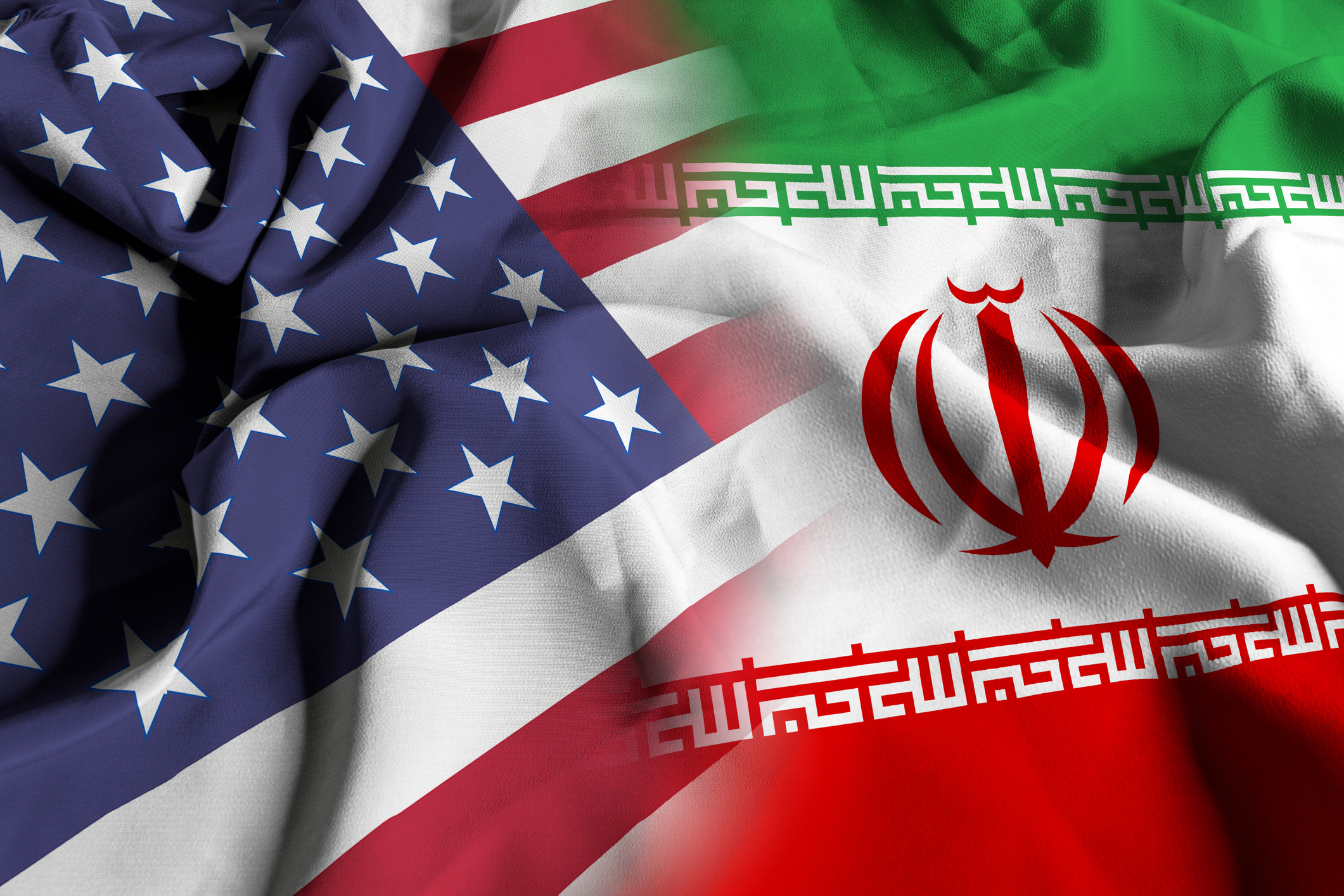
The United States and Iran are moving closer to a possible peace agreement, with negotiators agreeing on the broad principles of a deal, CBS News reported on Sunday, citing a senior Trump administration official.
According to the report, Iran has, in principle, agreed to a deal that would include the disposal of highly enriched uranium, while both sides have broadly committed to the framework of the agreement.
The development comes after US President Donald Trump said on Sunday that any future agreement with Tehran would differ sharply from the nuclear deal negotiated during the presidency of Barack Obama.
Criticising the Obama administration, Trump alleged that the earlier agreement provided Iran with substantial financial relief while leaving open a pathway to nuclear weapons development. He described his proposed deal as the “exact opposite” and said negotiations were still underway.
“If I make a deal with Iran, it will be a good and proper one, not like the one made by Obama, which gave Iran massive amounts of cash, and a clear and open path to a nuclear weapon. Our deal is the exact opposite, but nobody has seen it, or knows what it is. It isn’t even fully negotiated yet,” Trump said on Truth Social.
Trump also said that Washington would not “rush into a deal” with Tehran to resolve the crisis in West Asia. He asserted that the US “blockade” on Iranian ports would remain in “full force and effect” until a formal agreement is reached, certified and signed by both sides.
Meanwhile, a senior adviser to Iran’s Supreme Leader said on Sunday that Tehran’s nuclear energy programme remains peaceful and is under continuous monitoring by the International Atomic Energy Agency.
Mohsen Rezaei also warned that Iran would break any naval blockade imposed by the United States on its vessels and ports, and could withdraw from the Nuclear Non-Proliferation Treaty (NPT) if Washington resumes attacks against the Islamic Republic.
Rezaei, a former commander of the Islamic Revolutionary Guard Corps (IRGC), said Iran remained prepared for any possible aggression.
“Our fingers are on the trigger,” he said, referring to the current security situation in the region.
He also said the IRGC Navy monitors and identifies vessels passing through the strategically important Strait of Hormuz to prevent military aggression and maintain security in the Persian Gulf.
-ANI


