







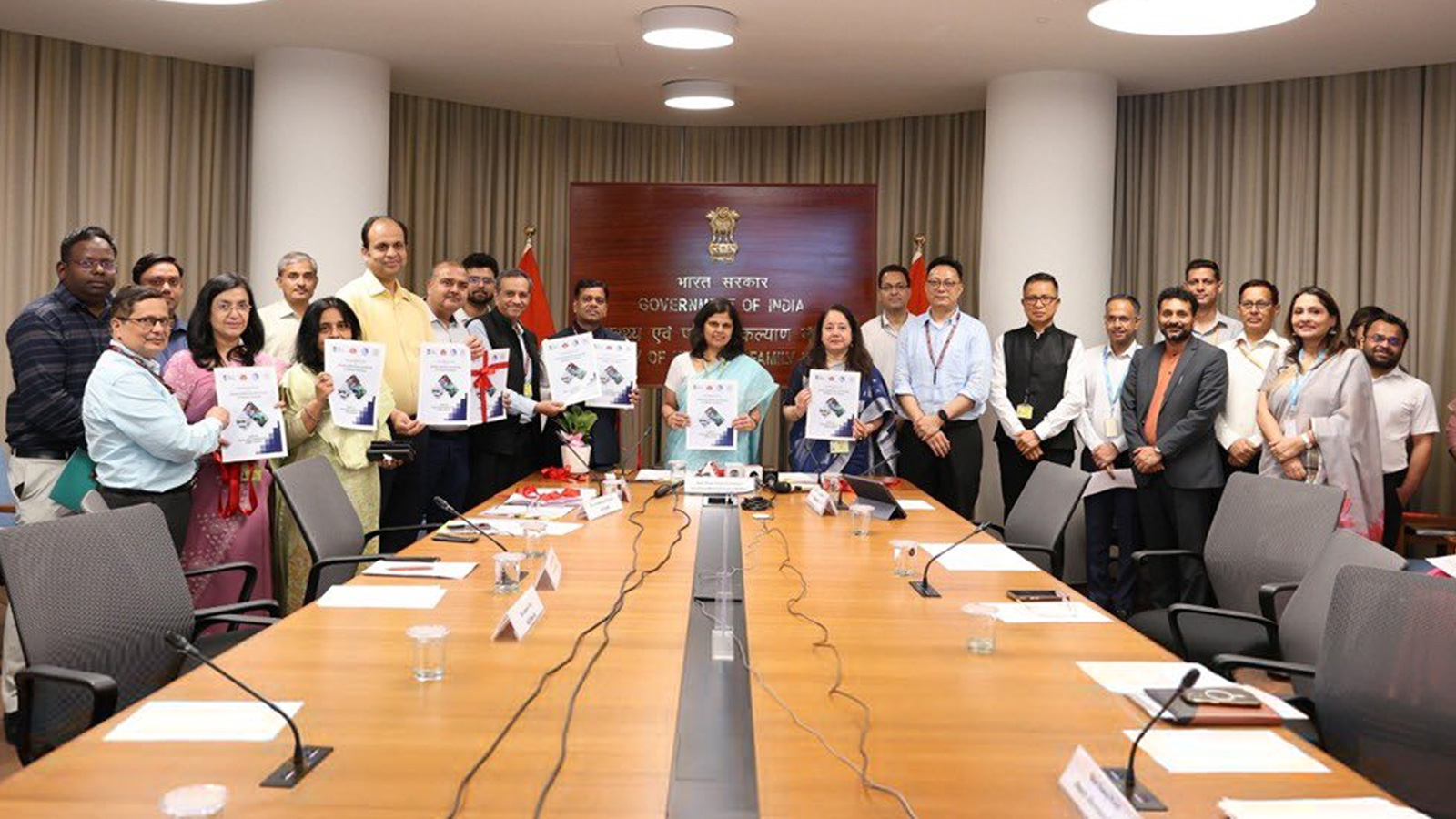
Ahead of World No Tobacco Day 2026, Union Health Secretary Punya Salila Srivastava on Friday launched the pilot version of the Tobacco-Free Educational Institutions (ToFEI) Application and released a Standard Operating Procedure (SOP) for tobacco product sample collection, reinforcing the Centre’s efforts to combat tobacco and nicotine addiction among youth.
The initiatives were launched during a national event organised under the National Tobacco Control Programme (NTCP) at Kartavya Bhawan in New Delhi.
The ToFEI application is a digital platform aimed at strengthening the implementation and monitoring of tobacco-free guidelines across schools and colleges. The app is designed to facilitate self-assessment and reporting by educational institutions, monitor compliance with tobacco-control norms, enforce signage requirements, prohibit the sale of tobacco products within 100 yards of educational institutions and promote awareness activities among students and teachers.
The pilot project will initially be implemented in Rajasthan, Meghalaya and Maharashtra to assess operational feasibility and strengthen reporting and monitoring systems before a nationwide rollout.
According to the Ministry of Health and Family Welfare (MoHFW), the digital platform will support states, union territories, educational institutions and programme officials through standardised monitoring and compliance assessment mechanisms, thereby improving accountability and promoting healthier environments for children and adolescents.
Speaking at the event, Srivastava said this year’s World No Tobacco Day theme – “Unmasking the Appeal – Countering Nicotine and Tobacco Addiction” – is particularly relevant in protecting young people from the harmful effects of tobacco and nicotine products.
She noted that tobacco and nicotine products are increasingly marketed using attractive flavours, packaging, surrogate advertising and social media campaigns that appeal to youth and create misleading perceptions about their safety.
“The two initiatives launched today reflect important pillars of the Government’s comprehensive strategy to counter nicotine and tobacco addiction,” she said.
The Health Secretary also highlighted the release of the SOP for tobacco product sample collection, stating that scientific and standardised procedures are essential for effective enforcement and regulatory action. The SOP outlines protocols for collection, handling, storage, transportation and documentation of tobacco product samples to ensure consistency and reliability in testing.
She added that more than 2,000 Tobacco Cessation Centres have been established across the country in district hospitals, medical colleges, dental colleges, AYUSH institutions and Non-Communicable Disease (NCD) clinics to support tobacco control efforts.
Emphasising the growing burden of tobacco-related diseases, the Health Secretary said tobacco use significantly contributes to cancers, cardiovascular diseases, stroke, chronic respiratory illnesses and other non-communicable diseases that account for a major share of deaths and disability in India.
Joint Secretary Prabhakar highlighted India’s leadership in evidence-based tobacco control policies and efforts to protect youth from emerging nicotine products, while Deputy Director General Dr. L. Swasticharan reiterated the government’s commitment to safeguarding children, adolescents and young adults from nicotine addiction.
The observance of World No Tobacco Day 2026 aligns with the World Health Organization’s theme focusing on countering the evolving tactics used by tobacco and nicotine industries to attract young users through digital marketing, attractive packaging and misleading promotions.
As part of the event, participants took a “No Tobacco Pledge” reaffirming their commitment towards building a tobacco-free India. The Health Ministry has also enabled an online pledge through the National Tobacco Control Programme website to encourage wider public participation.
The event also featured a street play performed by school students with support from HRIDAY, highlighting the harmful effects of tobacco and nicotine addiction.
Senior government officials, healthcare professionals, technical experts, civil society organisations and development partners working in the field of tobacco control attended the programme.


